NIA Chargesheet Reveals AI Use in Red Fort Blast
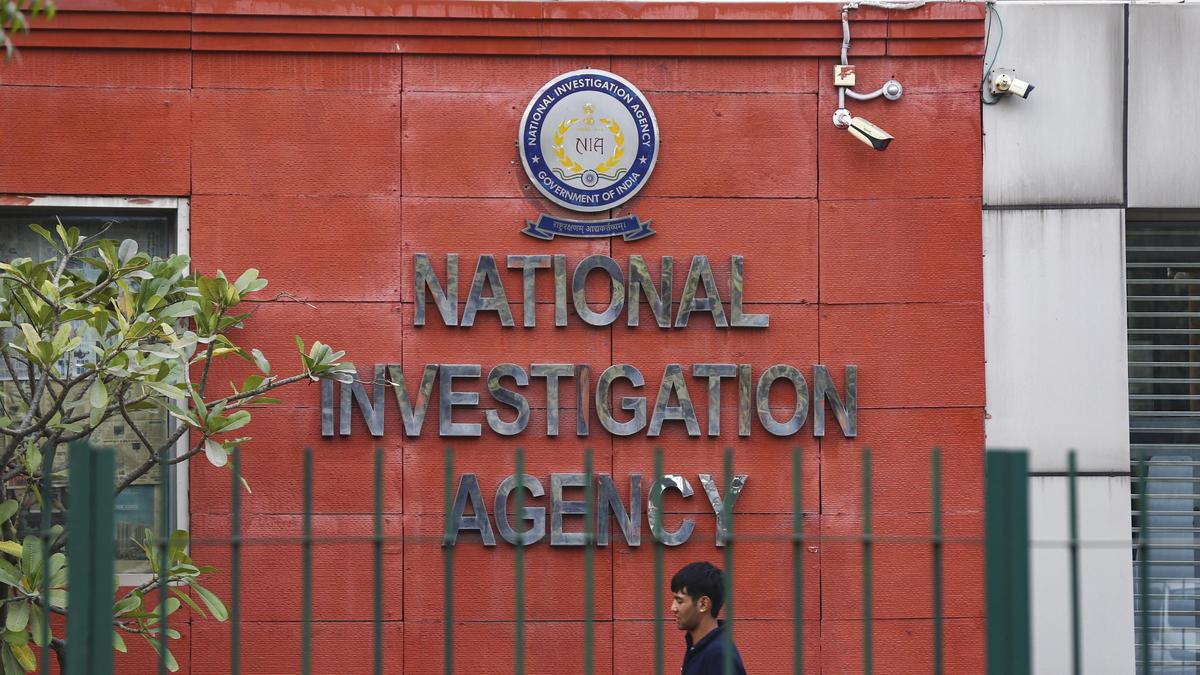
The National Investigation Agency (NIA) says its chargesheet in the Red Fort vehicle-borne IED blast case documents alleged misuse of artificial intelligence tools by accused conspirators. Reporting by Daily Excelsior states the NIA filed a 7,500-page chargesheet on May 14 detailing laboratory-grade fabrication of devices and tests of rocket IEDs in Qazigund forest, Jammu and Kashmir. Times Now reports the chargesheet names ChatGPT, online videos and commercial materials as information sources allegedly used to design rockets, explosives and drone modifications. The chargesheet links the accused, including Jasir Bilal Wani, to an Ansar Ghazwat-ul-Hind interim module allegedly tied to Al-Qaida in the Indian Subcontinent; the November 10, 2025 blast killed 11 people, according to the chargesheet as reported by Daily Excelsior.
What happened
The National Investigation Agency (NIA) filed a chargesheet on May 14 in the Red Fort vehicle-borne IED blast investigation, according to Daily Excelsior, producing a 7,500-page document that details the probe. The chargesheet, as reported by Daily Excelsior, attributes an "almost laboratory-grade" methodology to the accused and records tests of rocket improvised explosive devices in the Qazigund forest in Anantnag, Jammu and Kashmir. Daily Excelsior reports the explosion on November 10, 2025 resulted in 11 deaths. Times Now reports the chargesheet names ChatGPT, YouTube and commercially available materials as information sources allegedly consulted by the accused.
Technical details
Per the reporting, the chargesheet identifies an accused, Jasir Bilal Wani, described as an "in-house engineer" of an Ansar Ghazwat-ul-Hind interim module linked to Al-Qaida in the Indian Subcontinent (AQIS), and documents procurement and use of ingredients such as powdered sugar and potassium nitrate (NPK fertiliser) in device fabrication, as reported by Daily Excelsior and Times Now. Times Now states investigators recovered remnants from tested devices in forested test sites.
Editorial analysis - technical context
Industry-pattern observations: Public reporting of this case fits a broader pattern where readily accessible generative AI and instructional content lower barriers to technical research for nonexpert users. For practitioners, this raises operational questions about information hygiene, model-output safety, and the limits of content filtering when adversaries combine large-language-model outputs with open-source tutorials and physical materials.
Context and significance
What to watch
Editorial analysis
Reporting frames this incident as notable because Times Now calls it a possibly first documented allegation of ChatGPT being used in planning mass-casualty attacks. Whether or not the model materially changed capability, the chargesheet-as reported-shows investigators are tracing digital-research pathways alongside traditional supply chains and field testing. That combination complicates threat assessment and forensic attribution.
Observers should track:
- •whether court filings or NIA public statements explicitly cite model outputs
- •any forensic methodology disclosures about linking search queries or model interactions to suspects
- •follow-on reporting about institutional involvement cited in the chargesheet, including alleged connections to Al Falah University, as reported by Daily Excelsior
Key Points
- 1NIA chargesheet filed May 14, described by Daily Excelsior as a 7,500-page dossier documenting device fabrication and field tests.
- 2Times Now reports the chargesheet names ChatGPT, YouTube and online materials as alleged information sources used to construct rockets and IEDs.
- 3Editorial analysis: Combining generative-AI outputs with open tutorials and physical testing widens the risk surface for violent misuse of technical guidance.
Scoring Rationale
The chargesheet alleges AI-assisted weapon design, a notable security development for practitioners tracking misuse of generative tools; it affects threat modeling and forensic practices. The story is significant but not a paradigm-shifting technical advance.
Sources
Public references used for this report.
Practice interview problems based on real data
1,625 SQL & Python problems across 15 industry datasets — the exact type of data you work with.
Try 250 free problems