Nebius Group Posts Large Backlog, Signals AI Infrastructure Demand
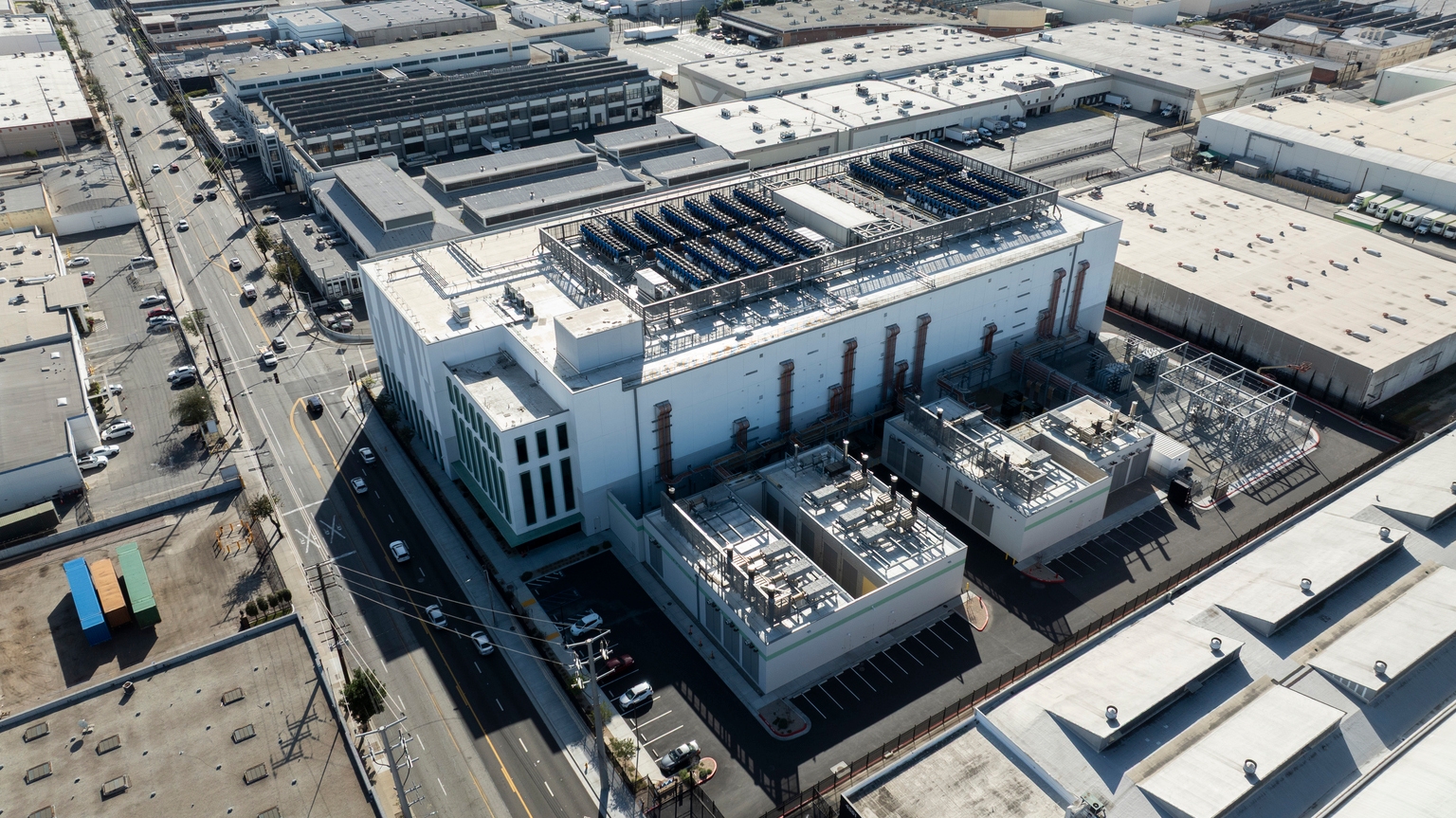
According to a Seeking Alpha research note, Nebius Group (NASDAQ: NBIS) is rated a Buy for aggressive growth investors and a Hold for others, with a 12-month price target of $266 (base case) and alternative bull/bear scenarios. Seeking Alpha reports Q4 2025 revenue of $227.7 million, a core AI-cloud segment increase of 802% year-over-year, and annualized recurring revenue of $1.25 billion at year-end 2025. The note also states Nebius has approximately $46 billion in contracted backlog from Meta Platforms and Microsoft, which the author frames as legally binding demand that leaves the company supply-constrained entering 2026. Seeking Alpha lists a market capitalization of $39.56 billion and short interest of 19.80%. The research piece emphasizes pricing power tied to constrained GPU, power, and data-center capacity.
What happened
According to a Seeking Alpha research note published May 4, 2026, Nebius Group (NASDAQ: NBIS) is rated a Buy for aggressive growth investors and a Hold for others, with a 12-month price target of $266 in the base case and alternative bull ($386) and bear ($125) scenarios. Seeking Alpha reports Q4 2025 revenue of $227.7 million, a 802% year-over-year surge in the core AI-cloud segment, and annualized recurring revenue of $1.25 billion exiting 2025. The note states Nebius holds roughly $46 billion in contracted backlog from Meta Platforms and Microsoft, and lists a market capitalization of $39.56 billion and short interest of 19.80%.
Technical details / Editorial analysis - technical context
Context and significance
What to watch
Editorial analysis
The Seeking Alpha piece frames Nebius as an AI infrastructure play grounded in constrained inputs-GPU supply, power-grid access, and optimized data-center capacity. For practitioners, those constraints map to three operational levers that affect cost and throughput: procurement and allocation of high-performance GPUs, colocation and power provisioning at scale, and thermal/efficiency engineering inside racks and pods. Industry-pattern observations: Providers that face legally contracted demand from hyperscalers typically confront accelerated capital deployment cycles, higher near-term utilization, and margin pressure during buildouts as CapEx precedes full revenue recognition.
The reported $46 billion backlog from major cloud customers, if contractually firm as described by Seeking Alpha, is notable because it signals sustained demand for specialized AI hosting and managed infrastructure. For the AI ecosystem, larger committed orders from hyperscalers can tighten market supply for GPUs and facility capacity, raising effective costs for competitors and for customers seeking spot or elastic capacity. Industry observers should treat the backlink between large contracted demand and short-term supply constraints as a recurring dynamic in the current AI-capacity cycle.
Observers should monitor three observable indicators: quarterly revenue and margin progression versus the backlog cadence reported by Seeking Alpha; capital expenditure disclosures and timing of facility turn-up; and third-party confirmation of large customer contracts in filings or vendor disclosures. Additional signals include GPU delivery schedules and utilization metrics in subsequent quarterly reports.
Note: All company financials, backlog figures, rating, and valuation scenarios referenced above are reported by Seeking Alpha in the May 4, 2026 research note. Seeking Alpha is the source for the specific numbers and the Buy/Hold rating language. Nebius Group has not been quoted here explaining rationale or intentions beyond what Seeking Alpha reports.
Key Points
- 1Seeking Alpha reports Nebius holds about $46 billion of contracted backlog from Meta and Microsoft, indicating large committed demand for AI infrastructure.
- 2Rapid top-line growth-Q4 2025 revenue $227.7M and 802% AI-cloud segment growth-reflects hyperscaler-led demand spikes and capacity-constrained monetization.
- 3Industry-pattern observation: large contracted orders from hyperscalers typically tighten GPU and power availability, creating short-term pricing power for capacity owners.
Scoring Rationale
The reported $46 billion backlog and rapid ARR growth are highly relevant to infrastructure capacity and procurement planning across AI operations. The story is notable for practitioners tracking supply constraints and vendor economics, but it is a single research note and hinges on execution and contract confirmation.
Practice interview problems based on real data
1,625 SQL & Python problems across 15 industry datasets — the exact type of data you work with.
Try 250 free problems