Musk Loses $150 Billion Lawsuit Against OpenAI and Altman
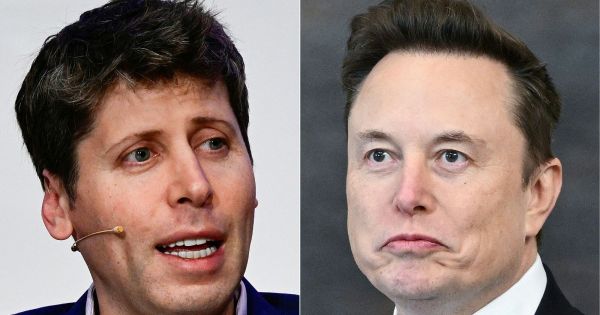
A federal jury in Oakland, California, unanimously rejected Elon Musk's $150 billion lawsuit against OpenAI and CEO Sam Altman, finding the claims were barred by the statute of limitations, The New York Times reports. Jurors deliberated for less than two hours before returning the verdict, which US District Judge Yvonne Gonzalez Rogers accepted, according to TechCrunch and NBC News. Musk had alleged breach of charitable trust and unjust enrichment after OpenAI created a for-profit arm; the trial included testimony from Sam Altman, Greg Brockman and Microsoft CEO Satya Nadella, among others, per The Verge. The New York Times reports Musk's lawyers said he intends to appeal. Reporting notes the decision removes a major legal overhang from OpenAI ahead of a reported IPO and a $730 billion valuation estimate cited by The New York Times.
What happened
A nine-member jury in Oakland, California, unanimously rejected Elon Musk's $150 billion lawsuit against OpenAI, Sam Altman, and others, The New York Times reports. Jurors found key claims were barred by the statute of limitations, a conclusion TechCrunch and NBC News say produced less than two hours of deliberations. US District Judge Yvonne Gonzalez Rogers accepted the jury's advisory verdict, according to TechCrunch. Musk had filed the suit alleging breach of charitable trust and unjust enrichment after OpenAI formed a for-profit affiliate; The Verge and NBC News report the trial featured testimony from Altman, Greg Brockman and Microsoft CEO Satya Nadella. The New York Times reports Musk's lawyers said he intends to appeal.
Technical details
Reporting across outlets describes the trial as turning primarily on timing and legal doctrine, specifically whether Musk filed within the statute of limitations windows for the claims he asserted, TechCrunch and The Verge explain. TechCrunch details the defendants' timeline defenses and three different cutoff dates the parties disputed for each count. The New York Times notes the jury's advisory role and that Judge Gonzalez Rogers was prepared to dismiss the case on similar grounds.
Industry context
Context and significance
What to watch
Editorial analysis
Litigation over governance and nonprofit-to-profit transitions has become a recurring risk for deep-technology ventures that spin out commercial affiliates. Observers following comparable cases note that statute-of-limitations defenses commonly determine outcomes where plaintiffs allege long-ago harms. For practitioners, the episode underscores how corporate-structure decisions can create long-tail legal exposure during rapid commercialization.
Several outlets framed the verdict as removing a high-profile obstacle ahead of a potential OpenAI public listing, with The New York Times reporting an estimated $730 billion valuation and noting public reporting that OpenAI is expected to consider an IPO as soon as this year. Reporting by TechCrunch and NBC News emphasizes that dismissal of Musk's claims reduces the chance of a court-ordered restructuring or other remedial remedies that could have affected governance. Industry observers will view the trial as a test case for how courts treat disputes among early collaborators in AI startups that later pursued large-scale outside capital.
Observers should track whether Musk files a timely appeal and how any appellate briefing frames the statute-of-limitations issues, since news outlets report Musk's legal team has indicated intent to appeal, per The New York Times. Watch for formal filings by OpenAI related to governance disclosures if the company proceeds with a public offering; reporting suggests the IPO timeline and valuation remain focal points for markets and regulators (The New York Times). Also monitor regulatory inquiries or parallel shareholder actions that outlets may surface as potential next steps.
Bottom line
The jury verdict, as reported by multiple major outlets, resolves a high-profile legal threat lodged by one of OpenAI's founders but leaves open procedural routes such as appeal. Editorial analysis: For data scientists and ML engineers, the more immediate effect is indirect, the outcome influences the corporate stability around a dominant AI platform rather than technical product choices, while highlighting legal and governance factors that can affect platform continuity and vendor risk assessments.
Key Points
- 1Jury ruled Musk's claims were time-barred, ending a major lawsuit that sought roughly $150 billion and ran less than two hours of deliberation.
- 2Industry-pattern: statute-of-limitations defenses frequently decide legacy disputes over nonprofit-to-profit spinouts, reducing the likelihood of court-ordered restructurings.
- 3So what: removal of this legal overhang lowers near-term governance risk for OpenAI ahead of a reported IPO, changing market and regulatory attention.
Scoring Rationale
The verdict removes a high-profile legal risk for one of the sector's most consequential companies at a sensitive pre-IPO moment, which matters to practitioners assessing platform stability and vendor risk.
Sources
Public references used for this report.
View 11 more sources
- Jury throws out Elon Musk’s lawsuit against OpenAI and Sam Altman in less than two hoursnbcnews.com
- 'That's not how it works' - the judge crossing swords with Musk in courtbbc.com
- Elon Musk Loses $150 Billion Lawsuit Against OpenAI & Microsoftdeadline.com
- Elon Musk Waited Too Long to Sue OpenAI and Sam Altman, Jury Rulesrollingstone.com
- Elon Musk loses in his fight against OpenAI and Sam Altman9news.com.au
- Elon Musk loses $150 billion OpenAI lawsuit; jury says he sued too late and rejects…timesofindia.indiatimes.com
- Elon Musk loses lawsuit against OpenAInews.sky.com
- Court dismisses Musk case against OpenAI - ABC listenabc.net.au
- Elon Musk Loses $150 Billion AI Lawsuit Against OpenAI and Sam Altmandecrypt.co
- Musk v. Altman, 4:24-cv-04722 – CourtListener.comcourtlistener.com
- Musk sues OpenAI for $150 bill… ‑ Elon Musk Podcast ‑ Apple ...podcasts.apple.com
Practice interview problems based on real data
1,625 SQL & Python problems across 15 industry datasets — the exact type of data you work with.
Try 250 free problems