Musk, Altman Face Jury Over OpenAI Nonprofit Dispute
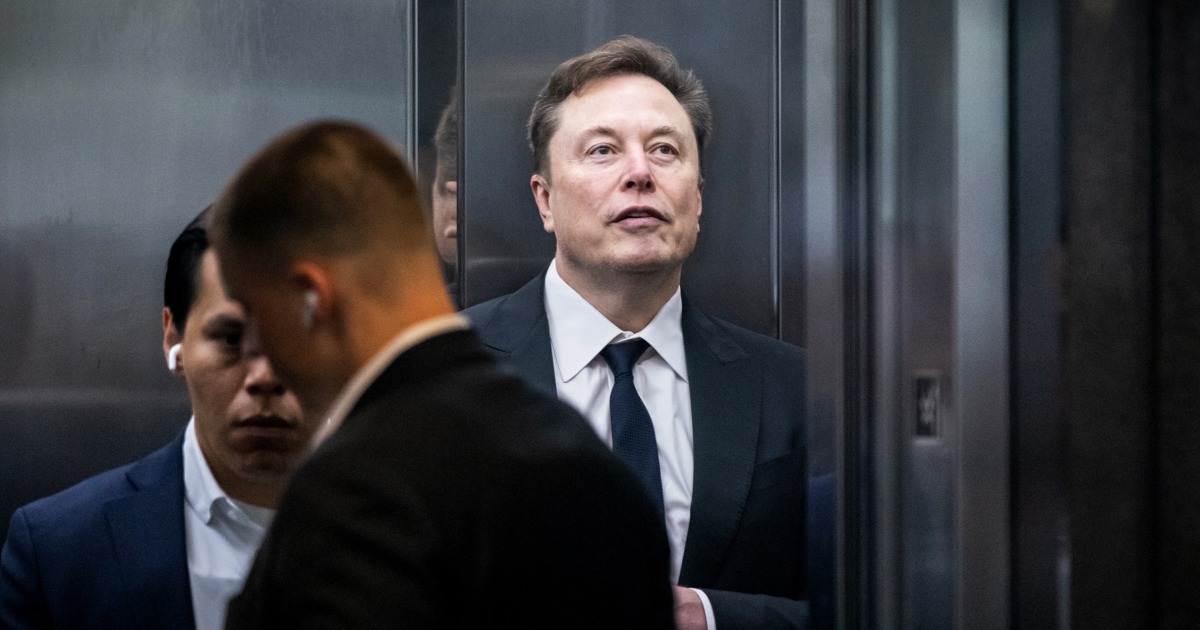
Federal closing arguments in Elon Musk's lawsuit against OpenAI concluded after a nearly three-week trial in Oakland, California, and a nine-member jury has begun deliberations, Reuters and CNBC report. The suit centers on Musk's claim that OpenAI founders breached an original nonprofit commitment; The New York Times reports Musk is seeking $150 billion in damages and wants Sam Altman removed from OpenAI's board. Microsoft, named as a co-defendant over its $13 billion investment in OpenAI, was a focus of testimony, according to BBC and NYT. Evidence presented included text-message exchanges and testimony from high-profile witnesses such as OpenAI co-founder Ilya Sutskever and Microsoft CEO Satya Nadella, per BBC and Reuters. NBC News reports Musk briefly left the trial for a China trip while remaining on "recall status."
What happened
Lawyers for Elon Musk and for OpenAI delivered closing arguments after nearly three weeks of testimony in a federal trial in Oakland, California, Reuters, CNBC and The New York Times report. A nine-member jury began deliberations; their verdict will be advisory and U.S. District Judge Yvonne Gonzalez Rogers will make the final ruling on liability, CNBC reports. The core of Musk's case, according to The New York Times, is that OpenAI founders breached a pledge to keep the lab nonprofit; The New York Times reports Musk is seeking $150 billion in damages and wants Sam Altman removed from OpenAI's board. Microsoft was added as a co-defendant over its $13 billion investment in OpenAI, which Reuters and NYT say featured in testimony and closing statements.
What the record showed in court
Reporting by the BBC and Reuters details testimony from numerous high-profile witnesses, including OpenAI co-founder Ilya Sutskever and Microsoft CEO Satya Nadella, who said Microsoft conducted due diligence before investing. BBC and Wired coverage note the trial record included internal text messages and more unusual exhibits, Wired and BBC describe testimony about offers of Teslas and other gestures presented as evidence. NBC News reports that Judge Gonzalez Rogers placed Elon Musk on "recall status" during the proceedings; NBC also reports Musk left to travel to China during the trial while remaining available to be recalled to testify.
Editorial analysis - technical context
Industry observers have framed the trial as a legal test of governance arrangements that emerged during the rapid commercialization of frontier AI. Companies that converted research labs into hybrid nonprofit-for-profit structures often created bespoke control agreements and investment terms; reporting from The New York Times and Reuters highlights the complexity of those arrangements when large strategic investors, like Microsoft, inject multibillion-dollar capital. For practitioners, this underscores how corporate-legal constructs can materially affect governance, funding flows, and partnership risk when research outputs become commercially valuable.
Context and significance
Reporting from The New York Times and Reuters places this case as one with outsize industry implications, with commentators and the Times noting the verdict could influence governance norms for AI startups, investor protections, and the appetite for large strategic partnerships. The trial has also been a high-profile reputational event for the people involved; BBC and Wired coverage emphasize how witness testimony and exhibits broadened public scrutiny beyond the core legal claims.
What to watch
Observers should track the jury's advisory verdict and Judge Gonzalez Rogers' subsequent ruling, CNBC reports, because the judge will decide liability even after deliberations. CNBC reports the remedies phase is scheduled to begin after the first-phase decision; that phase will determine any relief sought, including unwinding transactions or board-structure remedies. Industry watchers will also follow post-trial filings for any settlements or appeals reported by Reuters and AP, and corporate disclosures from Microsoft and OpenAI about governance or IPO plans discussed during testimony.
Observed patterns in similar disputes
Observed patterns in similar transitions: public litigation over control and mission drift typically draws extensive documentary records and witness testimony that reshape investor and partner communications strategies. Legal uncertainty in high-stakes deals often prompts investors to tighten contractual protections and prompts labs to clarify governance before large financings, a pattern visible in the testimony and questioning reported by multiple outlets.
Closing note
Reporting to date does not include a final judicial determination; The New York Times, Reuters and CNBC describe the jury phase as advisory and the judge as the decider of liability. Several outlets report the trial has amplified scrutiny of governance choices made during AI commercialization, but no source attributes internal intent or motives to individuals beyond what was presented in court records and direct testimony.
Key Points
- 1Jury deliberations have begun after nearly three weeks of testimony; the verdict is advisory and Judge Yvonne Gonzalez Rogers will decide liability, CNBC.
- 2Musk seeks $150 billion and removal of Sam Altman from OpenAI's board, per The New York Times; Microsoft's $13 billion investment was central to testimony.
- 3Editorial analysis: Similar disputes historically push investors and research labs to tighten governance and contractual protections before major financings.
Scoring Rationale
The trial covers foundational governance questions at the intersection of AI research and multibillion-dollar commercialization, with potential to reshape investor protections and governance norms; multiple major outlets treated it as an industry-defining legal event.
Sources
Public references used for this report.
View 7 more sources
- Closing arguments conclude in Musk v. Altman, jury to deliberate next weekcnbc.com
- A judge told Musk he wasn’t excused from trial. He went to China with Trump anyway.nbcnews.com
- The Real Losers of the Musk v. Altman Trialwired.com
- Musk lawyers accuse OpenAI of deception in close of mega-trialaxios.com
- Closing arguments begin in Elon Musk’s landmark lawsuit against OpenAIaljazeera.com
- High-stakes courtroom drama of Musk v OpenAI hears closing argumentstheguardian.com
- Musk v. Altman et al - Law360law360.com
Practice interview problems based on real data
1,625 SQL & Python problems across 15 industry datasets — the exact type of data you work with.
Try 250 free problems