Musk Absent From OpenAI Trial, Lawyer Apologizes
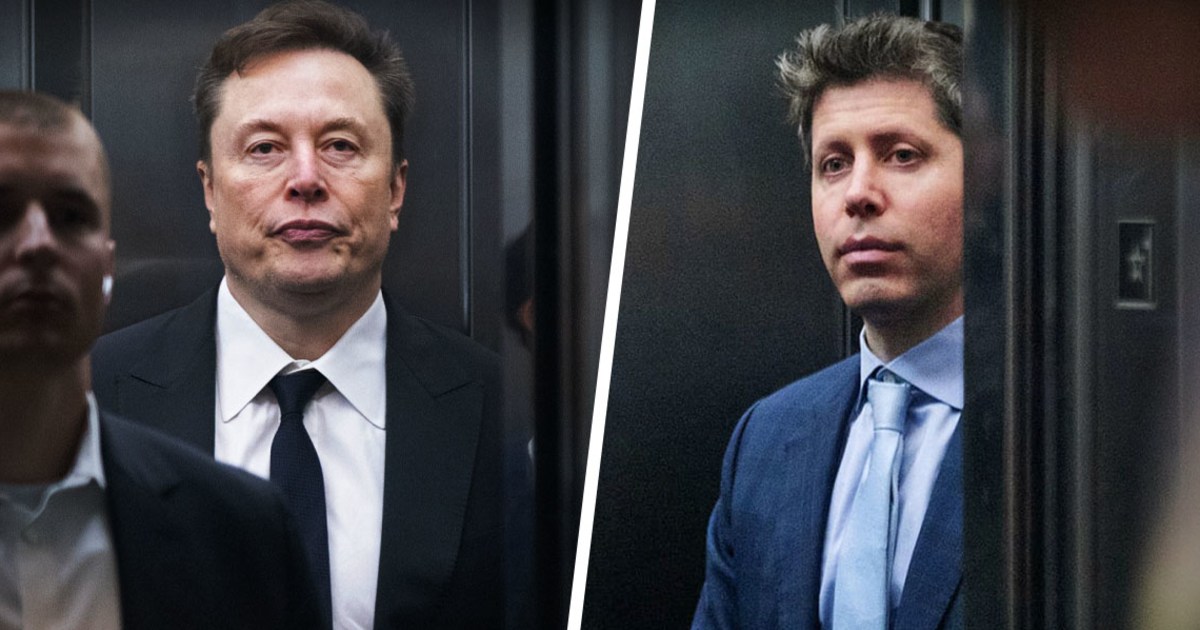
Closing arguments concluded on May 14, 2026 in the federal Musk v. Altman trial in Oakland, California, with Elon Musk absent after flying to China with President Trump despite a judge's order that he remain available; Musk's lead counsel, Steven Molo, apologized to the jury, per CNBC and MIT Technology Review. Musk is seeking as much as $134 billion in damages from OpenAI and Microsoft and wants the court to unwind OpenAI's 2025 for-profit restructuring and remove Sam Altman and Greg Brockman, alleging they broke an early promise to keep OpenAI a nonprofit; OpenAI's counsel argued no such promise was made and that Musk sued too late. The nine-person jury begins deliberating Monday and will deliver a non-binding advisory verdict; a ruling against OpenAI could disrupt its roughly $1 trillion IPO push.
The headline detail is not that Musk skipped closing arguments, it is what is actually at stake in the verdict the jury is about to render: whether a federal court effectively unwinds OpenAI's for-profit restructuring, which would upend its IPO trajectory, and whether AI governance disputes like this one get resolved by advisory jury verdicts that a judge is free to disregard.
What happened
Closing arguments concluded on May 14, 2026 in the federal Musk v. Altman trial in Oakland, California, according to CNBC and MIT Technology Review. Elon Musk was not present, having flown to China with President Trump despite Judge Yvonne Gonzalez Rogers's order that he remain available; his lead counsel, Steven Molo, apologized to the jury, saying, "This is something he is passionate about." OpenAI's counsel also raised the absence in closing, saying, per CNBC, "Mr. Musk isn't here today, my clients are here. They're here because they care about this." Musk is seeking as much as $134 billion in damages from OpenAI and Microsoft, payable to OpenAI's nonprofit, and wants the court to unwind the 2025 restructuring that converted OpenAI's for-profit subsidiary into a public benefit corporation and to remove Altman and Brockman from their roles. The nine-person jury, six women and three men, begins deliberating Monday and is expected to deliver an advisory verdict, which is not binding on the judge, who will ultimately decide the case.
Background
Molo argued in closing that Altman and Brockman broke a promise to use Musk's donations to keep OpenAI a nonprofit dedicated to safely developing AI for humanity's benefit, and instead built a for-profit subsidiary that made them wealthy; he pointed out that seven of the nonprofit's eight board members also sit on the for-profit's board, and that the nonprofit only hired staff a month before trial and now does grant-making rather than research. OpenAI's counsel, Sarah Eddy, countered that no witness or evidence showed any conditions on Musk's donations or any promise to remain a nonprofit, that the restructured OpenAI still funds nonprofit work through the for-profit, and that Musk sued too late and mainly to hobble a competitor to his own AI company, xAI. Over three weeks of testimony, both sides also attacked the other's credibility: Musk's team highlighted testimony from former OpenAI leaders Ilya Sutskever, Mira Murati, Helen Toner, and Tasha McCauley that Altman had lied to them, and questioned his personal stake in Helion Energy, a nuclear-power supplier OpenAI considered buying from; OpenAI's side argued Musk was a power-seeker who wanted personal control over AGI development rather than a genuine safety advocate.
Industry context
The verdict carries direct stakes for OpenAI's structure and roadmap: a ruling favoring Musk could disrupt OpenAI's push toward an IPO at a valuation approaching $1 trillion, while xAI is separately reported to be preparing its own IPO as part of SpaceX as soon as June, targeting a $1.75 trillion valuation. Separately, the US House Oversight Committee opened an investigation into Altman's potential conflicts of interest the week before closing arguments, and attorneys general from several states asked the SEC to review them. Legal scholars quoted by MIT Technology Review note the case leaves OpenAI's nonprofit oversight structurally weak regardless of outcome; Northwestern law professor Jill Horwitz said, "The public interest in the nonprofit loses, no matter who wins or loses this trial."
For practitioners
For those tracking AI-governance precedent, the case is less about a single company's cap-table dispute than a live test of whether nonprofit-controlled AI labs can convert to for-profit structures without a binding legal check, and of how courts weigh AI-safety rhetoric against corporate-control disputes. The advisory-verdict structure means the jury's judgment on credibility and promises may shape public perception well before the judge issues a binding ruling.
What to watch
Watch for the jury's advisory verdict, expected as soon as next week, followed by Judge Gonzalez Rogers's own binding ruling; whether the judge addresses Musk's unexplained absence or the travel-permission question directly; and how markets and regulators respond if the ruling threatens OpenAI's IPO timeline or forces changes to its nonprofit governance structure.
Key Points
- 1Closing arguments concluded in Musk v. Altman with Musk seeking $134 billion in damages and to unwind OpenAI's 2025 for-profit restructuring.
- 2Musk was absent, having flown to China with Trump despite a judge's order to remain available; his lawyer apologized to the jury.
- 3The nine-person jury delivers a non-binding advisory verdict, but a ruling against OpenAI could disrupt its roughly $1 trillion IPO push.
Scoring Rationale
Upgraded from 7.0: this is not just a courtroom-absence story but the conclusion of closing arguments in the marquee AI-governance trial of the year, with $134 billion in damages sought, a request to unwind OpenAI's for-profit restructuring, and direct implications for OpenAI's roughly $1 trillion IPO push. Corroborated by CNBC and an independent, detailed MIT Technology Review account with named legal commentary, it is major for anyone tracking AI-lab governance and corporate-structure precedent, even though the underlying claims remain unresolved pending the jury's advisory verdict and the judge's binding ruling.
Sources
Public references used for this report.
Practice interview problems based on real data
1,625 SQL & Python problems across 15 industry datasets — the exact type of data you work with.
Try 250 free problems