Mouser Electronics Explores AI Impact on Everyday Technology
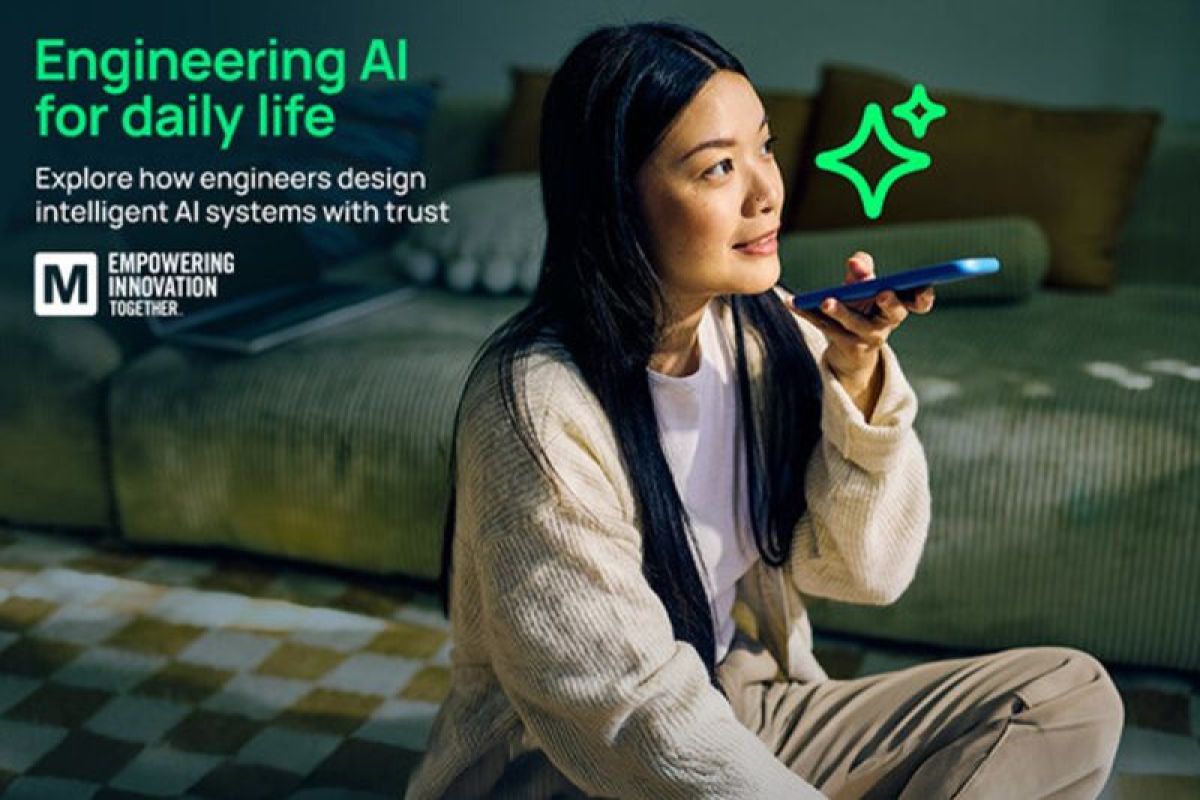
Mouser Electronics launched the first 2026 installment of its Empowering Innovation Together series, examining how AI is being engineered into everyday products and services. The program foregrounds engineers roles in making AI reliable, transparent, and privacy-preserving as capabilities move from prototypes into consumer devices. Content includes a new episode of The Tech Between Us podcast featuring Raymond Yin and Dr. Marisa Tschopp, an in-depth technical feature, and supplemental resources aimed at practitioners. Examples discussed span assisted search and messaging tools, conversational agents that generate travel itineraries, and healthcare wearables that deliver richer personal-health insights. Mouser emphasizes human-in-the-loop design, explainability, and system-level tradeoffs such as latency, power, and connectivity when deploying embedded intelligence.
What happened
Mouser Electronics launched the first 2026 installment of its Empowering Innovation Together program, a content series that frames how AI is moving from lab prototypes into everyday devices and services. The release centers on new practitioner-facing assets, including a new episode of The Tech Between Us podcast featuring Raymond Yin and Dr. Marisa Tschopp, plus an in-depth technical feature and topic-specific resources. "AI is quickly moving from experimental technology into products people rely on every day, and engineers play a major role in shaping how it's applied," said Jeff Newell, President of Mouser Electronics.
Technical details
The installment focuses on engineering patterns and system constraints practitioners must manage when embedding intelligence in edge and connected devices. Key technical themes include:
- •sensor fusion and data preprocessing for reliable signals in wearables and IoT
- •latency, power, and model size tradeoffs for on-device versus cloud inference
- •privacy-preserving architectures, including local processing and federated approaches
- •explainability and human-in-the-loop controls to keep users in command
The content illustrates these topics with examples such as assisted search, messaging assistants that synthesize itineraries from conversations, and health wearables that generate deeper insights from physiological streams. The materials are positioned to help engineers evaluate deployment tradeoffs and validation strategies for real-world reliability.
Context and significance
Mouser is a global distributor, not a model developer, so this is a practitioner education and ecosystem signal rather than a technical release. The series reflects two converging trends: expanding on-device intelligence in consumer hardware, and growing emphasis on trustworthy design practices. For hardware engineers and system architects, the guidance underscores familiar but increasingly urgent concerns: model lifecycle management across constrained devices, connectivity fallbacks, telemetry for monitoring, and privacy-compliant data pipelines. The podcast format and technical feature make the content accessible while targeting implementation questions.
What to watch
Track subsequent EIT installments for deeper case studies, reference designs, and component recommendations that translate these engineering patterns into bill-of-material choices and integration templates. Practitioners should expect more practical guidance on model quantization, edge runtimes, and secure update mechanisms in follow-ups.
Key Points
- 1Mouser launched an engineering-focused EIT installment to position AI as embedded, everyday capability and a designer responsibility.
- 2Technical emphasis on latency, power, privacy, and explainability clarifies tradeoffs engineers must manage for reliable edge AI.
- 3Practical resources, podcasts, and technical features target hardware and systems engineers, accelerating adoption of trustworthy embedded intelligence.
Scoring Rationale
This is a useful practitioner resource from a major components distributor, signaling industry priorities for embedded AI but not introducing new technical breakthroughs. It improves awareness and engineering practice without changing the research frontier.
Sources
Public references used for this report.
Practice interview problems based on real data
1,625 SQL & Python problems across 15 industry datasets — the exact type of data you work with.
Try 250 free problems