
Mooer Releases GE100 Pro with AI Multi-Effects
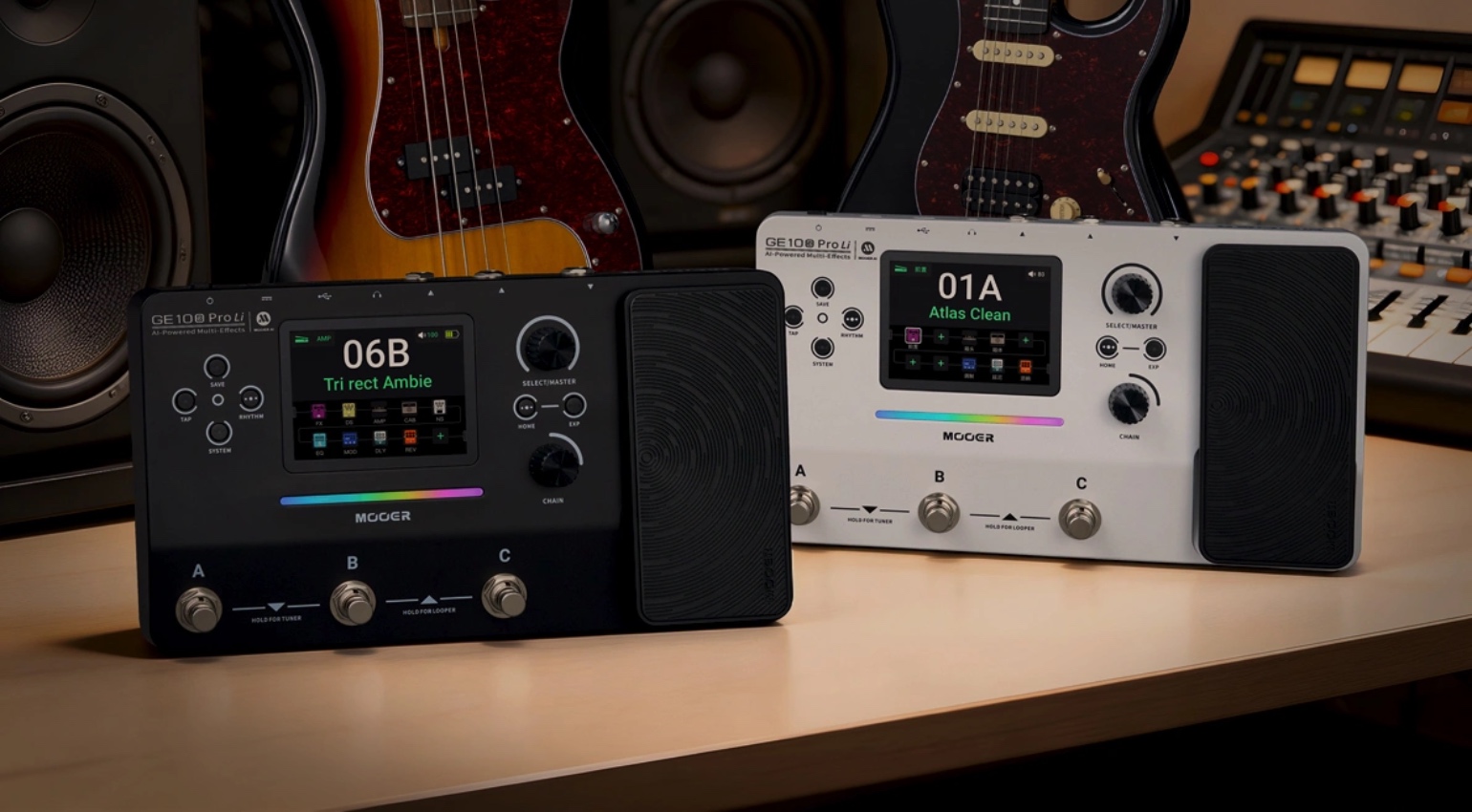
Gearnews and retail listings report that Mooer has introduced the GE100 Pro, a compact multi-effects processor that adds AI features to the companys entry-level line. Per Gearnews, the unit supports MNRS 2.0 amp profiling, NAM (Neural Amp Modeler) capture files, and third-party impulse-response cabinet simulations, and comes with more than 240 effects, amplifiers, and utility modules plus 150 preset slots across 50 banks. Gearnews and the product page describe an AI StemLab ecosystem for stem separation (removing guitars, drums, vocals) and an integrated AI Assistant that generates tone settings from text input. A Warwick retailer listing shows a price of €99 and notes delivery details for Germany; the product listing also highlights a 3.5-inch color display, stereo looper (80 seconds, unlimited overdubs), built-in drum machine, Bluetooth audio, and USB-C OTG recording. Sources: Gearnews, Warwick product page, and MOOER product pages.
What happened
Gearnews and vendor pages cover the launch of the Mooer GE100 Pro multi-effects processor. Gearnews reports the unit supports MNRS 2.0 amp profiling, NAM (Neural Amp Modeler) capture files, and third-party IR cabinet simulations, and ships with more than 240 effects, amplifiers, and utility modules and 150 preset slots organised across 50 banks. Gearnews and Mooer product listings describe an AI StemLab feature for stem separation and an integrated AI Assistant that generates tone settings from text input. A Warwick online retailer listing presents a price of €99 and cites delivery information for Germany, and the product description lists a 3.5-inch color display, stereo looper with 80 seconds recording and unlimited overdubs, an integrated drum machine, Bluetooth audio, and USB Type-C OTG recording.
Editorial analysis - technical context
The announced feature set combines established digital amp modelling and IR support with two AI-forward capabilities: stem separation and natural-language tone generation. Industry reporting frames MNRS 2.0 and NAM as reverse-modelling approaches that aim to recreate preamp dynamics; Gearnews attributes those technologies to the product lineup. Editorial analysis: stem separation and text-to-tone assistants are increasingly common consumer-facing audio features, and their inclusion here reflects broader adoption of on-device and edge-capable audio ML tools rather than research-first model releases.
Industry context
What to watch
Editorial analysis
vendors across music hardware and DAW ecosystems have been integrating AI for tasks such as source separation, automatic mixing, and preset generation. The GE100 Pro illustrates how manufacturers are bundling multiple AI conveniences with signal-routing flexibility and looper/drum-machine workflow to differentiate entry-level multi-effects units.
observers should track regional availability and confirmed pricing versus the Warwick listing, the latency and quality tradeoffs of the StemLab separation on-device versus cloud, and whether Mooer publishes technical details or SDKs for third-party developers. Also watch for hands-on reviews that evaluate the AI Assistants tonal accuracy and how well MNRS 2.0 and NAM reverse-modelling reproduce amplifier dynamics.
Key Points
- 1Mooers GE100 Pro bundles traditional amp modelling and IR support with AI features for stem separation and text-driven tone generation.
- 2Inclusion of MNRS 2.0 and NAM shows reverse-modelling is moving into affordable hardware, offering more realistic amp dynamics at lower price points.
- 3Editorial analysis: consumer audio hardware is increasingly shipping ML features that prioritize convenience over research-grade performance, useful for practitioners building end-user audio products.
Scoring Rationale
The story documents a product release that integrates AI-driven stem separation and text-to-tone features into affordable guitar hardware. That matters to audio ML practitioners and product teams as an adoption datapoint, but it is not a frontier research or infrastructure event.
Sources
Public references used for this report.
View 5 more sources
- Mooer GE100 Pro Guitar Multi-Effects Processor - Raj Musicalsrajmusical.com
- Mooer GE 100 PRO Li Guitar Multi FX Processor with AI technology and lithium batteryamazon.sg
- Amazon.com: MOOER GE100 Multi-Effects Guitar Pedal with 80 ...amazon.com
- MOOER Audioamcmusicshop.com
- Mooer GE100 Pro Preset Demo — AI-Powered Guitar Tones Testedjucaneryguitar.com
Practice interview problems based on real data
1,625 SQL & Python problems across 15 industry datasets — the exact type of data you work with.
Try 250 free problems
