MIT Researchers Develop System To Reduce Robot Congestion
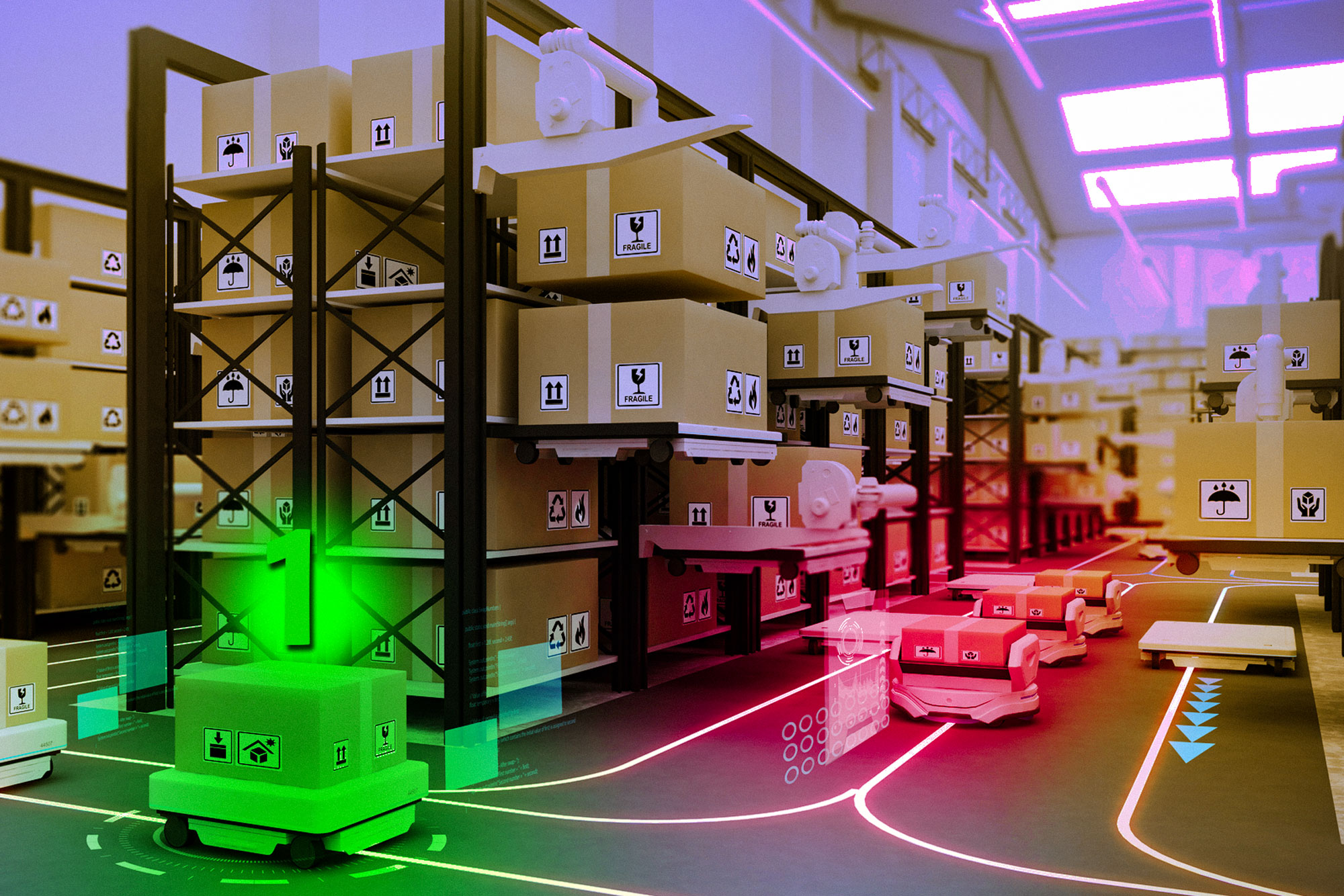
Researchers from MIT and Symbotic developed a hybrid deep reinforcement learning and planning system that prioritizes and reroutes hundreds of warehouse robots to avoid congestion, reported in the Journal of Artificial Intelligence Research. In simulations based on real e-commerce layouts, the approach increased throughput by about 25 percent compared with traditional algorithms and adapted quickly to different layouts and robot densities. The team plans to extend the method to task assignment and larger warehouses.
Key Points
- 1Uses deep reinforcement learning plus fast planning to prioritize robots and avoid forming congestion
- 2Achieves about 25 percent higher throughput in simulations inspired by real e-commerce warehouse layouts
- 3Enables practitioners to adapt coordination policies quickly across layouts and varying robot densities
Scoring Rationale
Peer-reviewed hybrid RL result with meaningful throughput gains; limited by simulation-only validation and pending real-world deployment.
Practice with real Logistics & Shipping data
90 SQL & Python problems · 15 industry datasets
250 free problems · No credit card
See all Logistics & Shipping problems