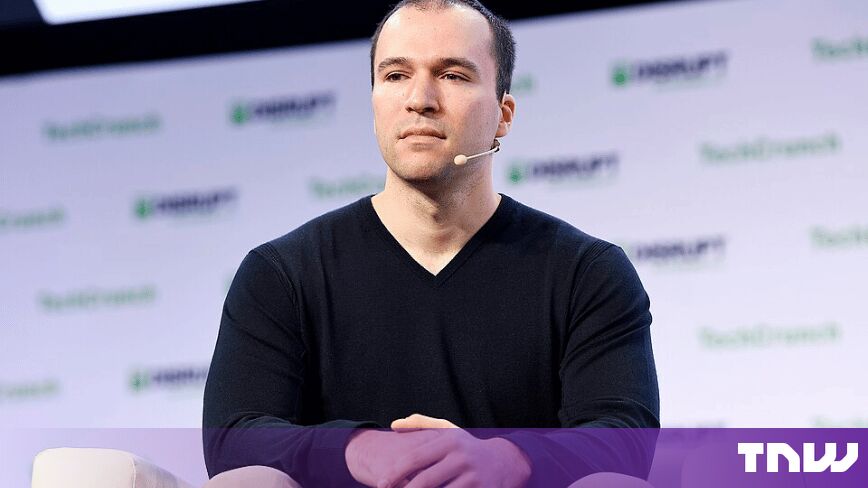
Mistral CEO Rebuts Pope on AI Warfare
Mistral CEO Arthur Mensch publicly rejected criticism from Pope Leo XIV over the military use of artificial intelligence, saying Europe needs its own capabilities while rivals deploy the technology, Reuters reports. Mensch told reporters, "We're all for peace, but if you look at our rivals and adversaries in the world, they're using artificial intelligence... As long as we have adversaries that are threatening, and they are threatening, we do need to have our own capabilities," Reuters quotes. The Pope's encyclical, published May 25, calls for disarming AI and new international limits on lethal and deceptive uses, according to coverage in The Next Web. Reuters also reports Mistral will build a data centre in Les Ulis, France with 10 megawatts of power, part of a wider €4 billion expansion targeting 200 megawatts by end-2027 and 1 gigawatt by 2030.
What happened
Mistral CEO Arthur Mensch publicly rebutted criticism from Pope Leo XIV over the use of artificial intelligence in warfare. Reuters reports Mensch told reporters, "We're all for peace, but if you look at our rivals and adversaries in the world, they're using artificial intelligence ... As long as we have adversaries that are threatening, and they are threatening, we do need to have our own capabilities," The Next Web reports the Pope's encyclical, published May 25, urges the disarmament of AI and calls for binding requirements including traceability of decisions and "meaningful human control" over lethal action. Reuters reports Mistral announced a new data centre in Les Ulis, France with 10 megawatts of computing power due in the second half of 2026, and cites company targets of 200 megawatts by end-2027 and 1 gigawatt by 2030 as part of a €4 billion investment plan. Rappler notes Mistral supplies models to French defence users.
Technical details
Editorial analysis - technical context
Public reporting focuses on two technical threads: defensive use of AI in national security settings and the underlying compute scale required to train and host modern models. The encyclical's calls for traceability and meaningful human control map to technical concepts such as audit logs, explainability features, and human-in-the-loop control systems. Industry implementations that meet those requirements typically combine telemetry, provenance metadata, and constrained decision envelopes around autonomous subsystems.
Context and significance
Reporting places the exchange in a broader policy and infrastructure race. Reuters frames Mistral's expansion, including the Les Ulis data centre and multi-hundred-megawatt buildout, as part of Europe's effort to reduce dependency on U.S. cloud providers and to support homegrown AI capabilities. The Pope's encyclical adds moral and regulatory pressure aimed at limiting autonomous lethal and deceptive uses of AI, while corporate and national actors emphasize deterrence and sovereign capabilities.
What to watch
Observers should track three measurable indicators reported in the coverage: announcements of defensive AI procurement by European militaries, specific technical standards or binding international proposals referencing "traceability" or "meaningful human control" coming from multilateral fora, and the operational timeline for Mistral's compute targets (the Reuters timeline for the Les Ulis centre and the 200 megawatt milestone by end-2027). Also monitor whether additional suppliers or governments publicly align with the encyclical's recommended constraints or with Mensch's defensive framing.
Editorial analysis
For practitioners, this episode highlights the intersection of ethics, policy, and engineering at scale. Companies and teams working on defence-related models will encounter heightened scrutiny on logging, decision traceability, and human oversight interfaces. Industry observers often note that implementing verifiable traceability at model scale requires significant engineering work: high-cardinality telemetry, immutable audit trails, and integration with operational command-and-control systems. Those are nontrivial projects that influence architecture and cost planning.
Reported sourcing
Key factual claims above are drawn from Reuters reporting on Mistral's comments and infrastructure plans, The Next Web's coverage of Pope Leo XIV's encyclical, and Rappler's summarization of Mistral's ties to defence users.
Key Points
- 1Mistral's CEO publicly defended defence-related AI development, arguing European deterrence requires indigenous capabilities, per Reuters.
- 2The Pope's encyclical calls for disarming AI and binding requirements like traceability and human control, raising regulatory and ethical pressure, per The Next Web.
- 3Mistral's announced Les Ulis data centre and multi-hundred-megawatt targets signal continued compute investment that affects model deployment and governance choices.
Scoring Rationale
The story combines a high-profile ethical/regulatory intervention (a papal encyclical) with a concrete industry response and significant infrastructure commitments. That matters for practitioners focused on governance, defence applications, and compute strategy, but it is not a frontier technical breakthrough.
Sources
Public references used for this report.
Practice interview problems based on real data
1,625 SQL & Python problems across 15 industry datasets — the exact type of data you work with.
Try 250 free problems