Microsoft Weighs Shelving 2030 Clean-Energy Pledge
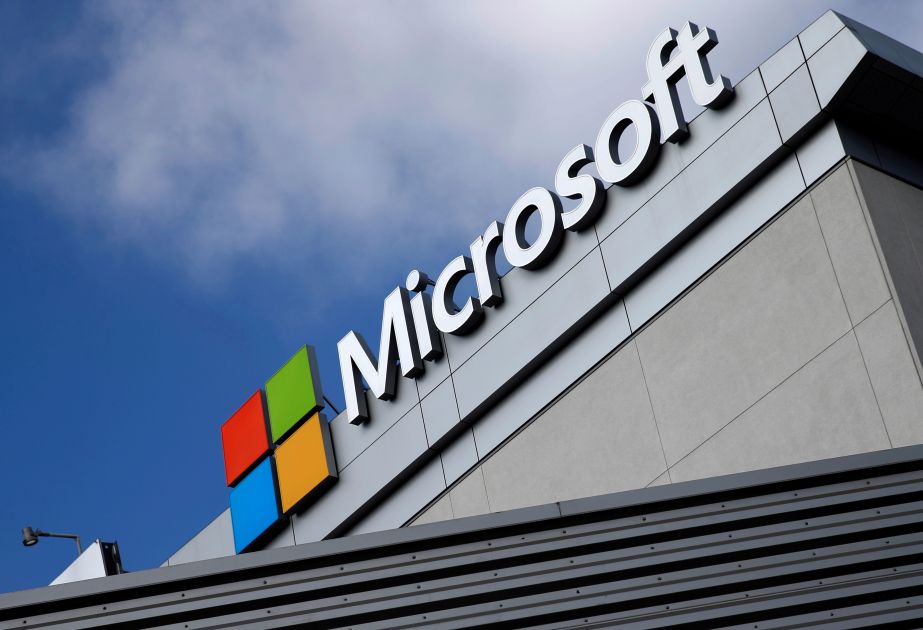
Reporting by Bloomberg says Microsoft is considering delaying or abandoning its 2030 "100/100/0" goal to match 100% of hourly electricity use with carbon-free energy, as rapid AI-driven data center growth strains power supplies. Multiple outlets, including Bloomberg and ESG News, report the company has been adding roughly 1 gigawatt of data center capacity every three months, and some new builds may draw multiple gigawatts each. Coverage links the pressure to a broader hyperscaler race for firm, around-the-clock power and renewed interest in gas, nuclear, and grid investments. LatitudeMedia reports the company has denied related claims about pausing carbon removal purchases, and no final decision on the 2030 target has been announced, per Bloomberg.
What happened
Reporting by Bloomberg says Microsoft is weighing whether to delay or abandon its 2030 "100/100/0" target to match 100% of its hourly electricity use with carbon-free energy every hour of every day, according to people with knowledge of the matter. Bloomberg characterizes the discussions as aimed at removing obstacles in the company's effort to power a rapid expansion of AI data centers. Multiple outlets, including ESG News and the Financial Post (attributed to Bloomberg), report Microsoft has been adding about 1 gigawatt of data center capacity roughly every three months. Several reports note that some new AI data centers under development could require multiple gigawatts of continuous power. LatitudeMedia reports that the company denied reports that it paused future carbon dioxide removal purchases, and Bloomberg notes no final decision on the 2030 hourly target has been announced.
Editorial analysis - technical context
Industry-pattern observations: modern AI training and inference workloads concentrate extremely high, continuous power demands in specific locations. That creates a need for firm, dispatchable electricity rather than intermittent generation alone. Public reporting highlights three practical supply paths companies and grids are currently evaluating: rapid-build gas plants often paired with carbon management, utility-scale nuclear (including small modular reactors), and large renewable plus storage hubs requiring major transmission and storage investment. Each path implies different procurement structures, contract tenors, and regulatory interactions, which typically complicate corporate hourly-matching strategies compared with annual renewable procurement.
Context and significance
Editorial analysis
hyperscaler infrastructure growth has been a major driver of recent electricity-market changes, and companies that previously matched annual renewables have faced new constraints when trying to secure 24/7 hourly matching. Reporting frames Microsoft's deliberations as emblematic of a broader tension between fast-moving AI infrastructure deployment and existing corporate climate-accounting constructs. For climate-tech markets, large buyers shifting procurement timing or volume can materially affect demand signals for carbon removal, long-duration storage, and firm low-carbon generation projects; LatitudeMedia reports that Microsoft has been a significant buyer in carbon removal markets, and news of procurement pauses has already drawn industry attention.
What to watch
- •Public statements or filings from Microsoft that confirm specific changes to the 2030 target or to purchase agreements. Reporting so far attributes the deliberations to anonymous sources and notes no final decision.
- •New offtake contracts or joint ventures for firm low-carbon generation, including nuclear or long-duration storage, which would show how hyperscalers seek to meet continuous demand.
- •Market signals: bids in power markets, announced project financing for firm capacity, and corporate procurement trends for carbon removal and long-duration storage. Industry observers will also track regulatory or utility responses in regions hosting large AI campuses, since transmission and interconnection timelines materially affect feasibility of 24/7 matching.
Practical note for practitioners
Industry-pattern observations: data center architects and energy procurement teams should anticipate an increased emphasis on firm power arrangements, contract structures that cover hourly profiles, and closer coordination with utilities and grid planners. That suggests higher complexity in load shaping, price risk management, and long-term contracting compared with standard annual renewable purchase agreements.
Key Points
- 1Bloomberg reports Microsoft is weighing delaying or abandoning its 2030 hourly clean-energy pledge, driven by AI data center expansion.
- 2Hyperscalers are adding capacity at ~1 GW every three months, raising demand for firm, around-the-clock power beyond typical renewables.
- 3Industry-pattern observation: faster AI buildouts shift corporate procurement toward firm low-carbon sources, affecting carbon removal and storage markets.
Scoring Rationale
This story concerns a major hyperscaler reconsidering an ambitious 24/7 clean-energy pledge amid AI-driven demand growth. It matters for practitioners managing large-scale compute, energy procurement, and climate-related purchasing, and it could reshape demand for firm low-carbon generation and storage.
Sources
Public references used for this report.
View 5 more sources
- Microsoft May Rework 2030 Clean Energy Goal as AI Data Centers ...esgnews.com
- Climate tech can’t scale on corporate generosity alonelatitudemedia.com
- Microsoft May Shelve 2030 Clean Energy Target Amid AI Power ...carboncredits.com
- Microsoft May Drop 24/7 Clean Energy Target as AI Data Center ...reccessary.com
- Microsoft Rethinks AI Energy Goal - Discover - Brome AIbrome.ai
Practice interview problems based on real data
1,625 SQL & Python problems across 15 industry datasets — the exact type of data you work with.
Try 250 free problems