
Microsoft spent over $100 billion on OpenAI partnership
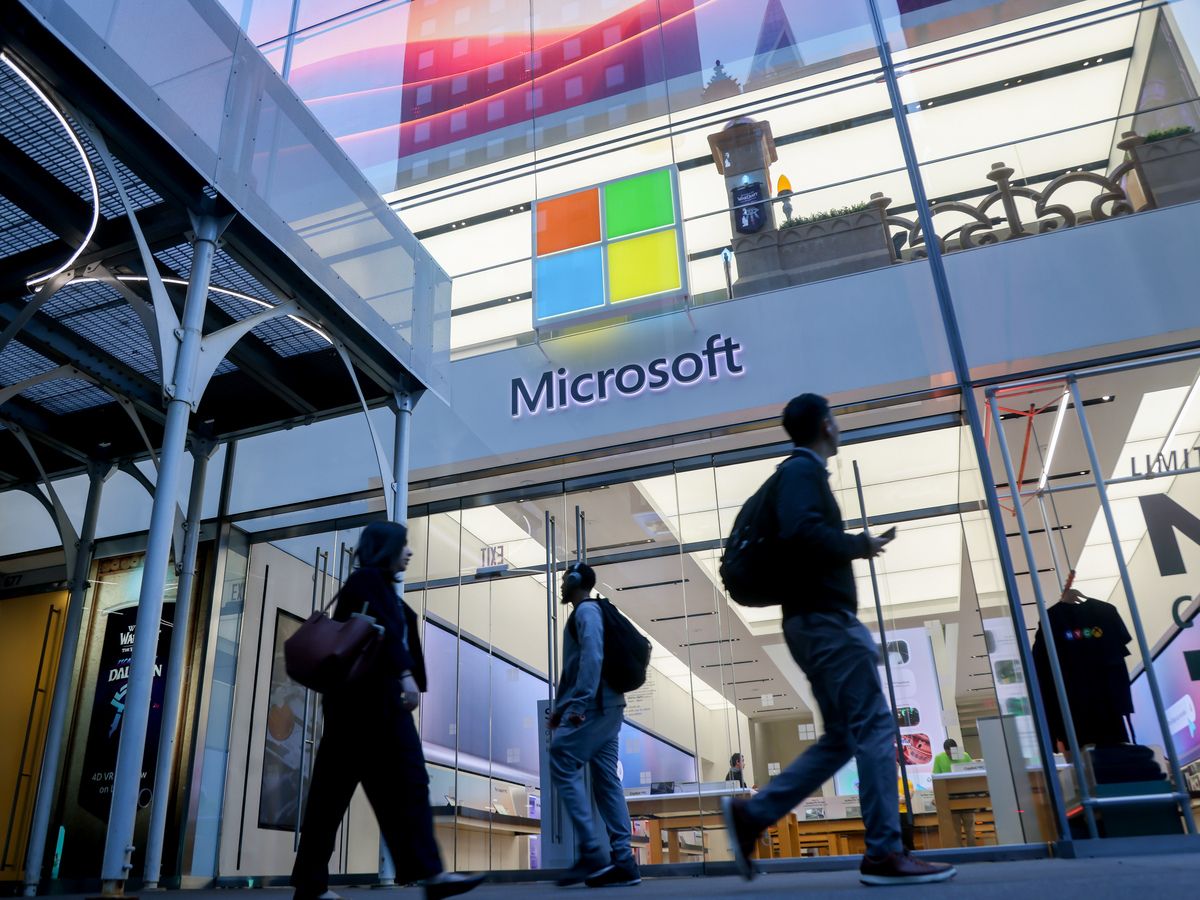
Bloomberg, as carried by the Financial Post, reports that Microsoft has spent more than US$100 billion on its partnership with OpenAI, a figure presented alongside a reported US$852 billion valuation for OpenAI as of the end of March (Financial Post / Bloomberg, May 13, 2026). Earlier reporting described a separate, proposed U.S. data-center project nicknamed "Stargate" that could cost about $100 billion and that Microsoft would likely finance (Reuters, March 29, 2024). Independent coverage has also described OpenAI near a large private raise of about $100 billion at an > $850 billion valuation (TechCrunch, Feb 19, 2026), and CNBC reported that OpenAI's nonprofit parent would own an equity stake valued at more than $100 billion, while noting Microsoft had previously invested over $13 billion (CNBC, Sep 11, 2025).
What happened
Bloomberg, as carried by the Financial Post, reports that Microsoft has spent more than US$100 billion on its partnership with OpenAI, and that OpenAI's valuation reached approximately US$852 billion as of the end of March (Financial Post / Bloomberg, May 13, 2026). Reuters previously reported that Microsoft and OpenAI discussed a U.S. data-center project nicknamed "Stargate" that could cost roughly $100 billion, and that Microsoft was the likely financier of that plan (Reuters, March 29, 2024). TechCrunch reported that OpenAI has been finalizing a private funding round near $100 billion at a valuation exceeding $850 billion (TechCrunch, Feb 19, 2026). CNBC reported that OpenAI's nonprofit parent would own an equity stake valued at greater than $100 billion and noted prior Microsoft investment exceeding $13 billion (CNBC, Sep 11, 2025).
Editorial analysis - technical context
Companies pushing frontier models and bespoke supercomputer builds create concentrated demand for high-end GPUs, networking, and custom rack-level engineering. Industry reporting on multi-phase supercomputer plans and multi-year procurement cycles points to sustained pressure on supply chains for accelerator chips and data-center power and cooling, a pattern observed across large-scale deployments rather than a claim about any single partner's internal roadmap.
Industry context
Editorial analysis
Large, multi-hundred-billion-dollar capital flows tied to model training and infrastructure commonly change vendor negotiations, contractual cloud economics, and long-term capacity planning for hyperscalers and chip suppliers. Observers tracking cloud pricing, spot GPU availability, and vendor contractual terms will likely treat these reported commitments as a structural demand signal for the next several years.
What to watch
- •Reporting on definitive agreements or regulatory filings that quantify Microsoft's disclosed cash and in-kind commitments to OpenAI (news wires and SEC/UK filings).
- •Public disclosures or vendor statements about multi-year GPU and interconnect orders, which would validate large-scale procurement implied by the data-center reporting (chipmakers and cloud suppliers).
- •Any material updates to OpenAI's fundraising timetable or valuation in filings or major press releases (TechCrunch and Bloomberg coverage tracked this story in 2026).
LDS analysis note
The preceding analytical paragraphs are labeled as editorial and present industry-wide patterns rather than claims about internal intentions or undisclosed plans at Microsoft or OpenAI.
Key Points
- 1Bloomberg (via Financial Post) reports Microsoft has spent more than $100 billion on its OpenAI partnership, a large-scale corporate commitment.
- 2Multiple outlets describe $100 billion-scale items: a proposed "Stargate" data center, a possible OpenAI private raise, and nonprofit equity stakes, highlighting capital intensity.
- 3Industry observers should treat these reported commitments as a structural demand signal for high-end GPUs, data-center capacity, and long-term vendor contracts.
Scoring Rationale
Reported nine-figure corporate spending and $100 billion-scale fundraising/infrastructure items materially affect capital flows, GPU demand, and enterprise cloud economics relevant to practitioners. The story is notable but not a new model or paradigm shift.
Sources
Public references used for this report.
Practice with real FinTech & Trading data
90 SQL & Python problems · 15 industry datasets
250 free problems · No credit card
See all FinTech & Trading problems
