Microsoft Rewrites Windows Scheduler for RTX Spark
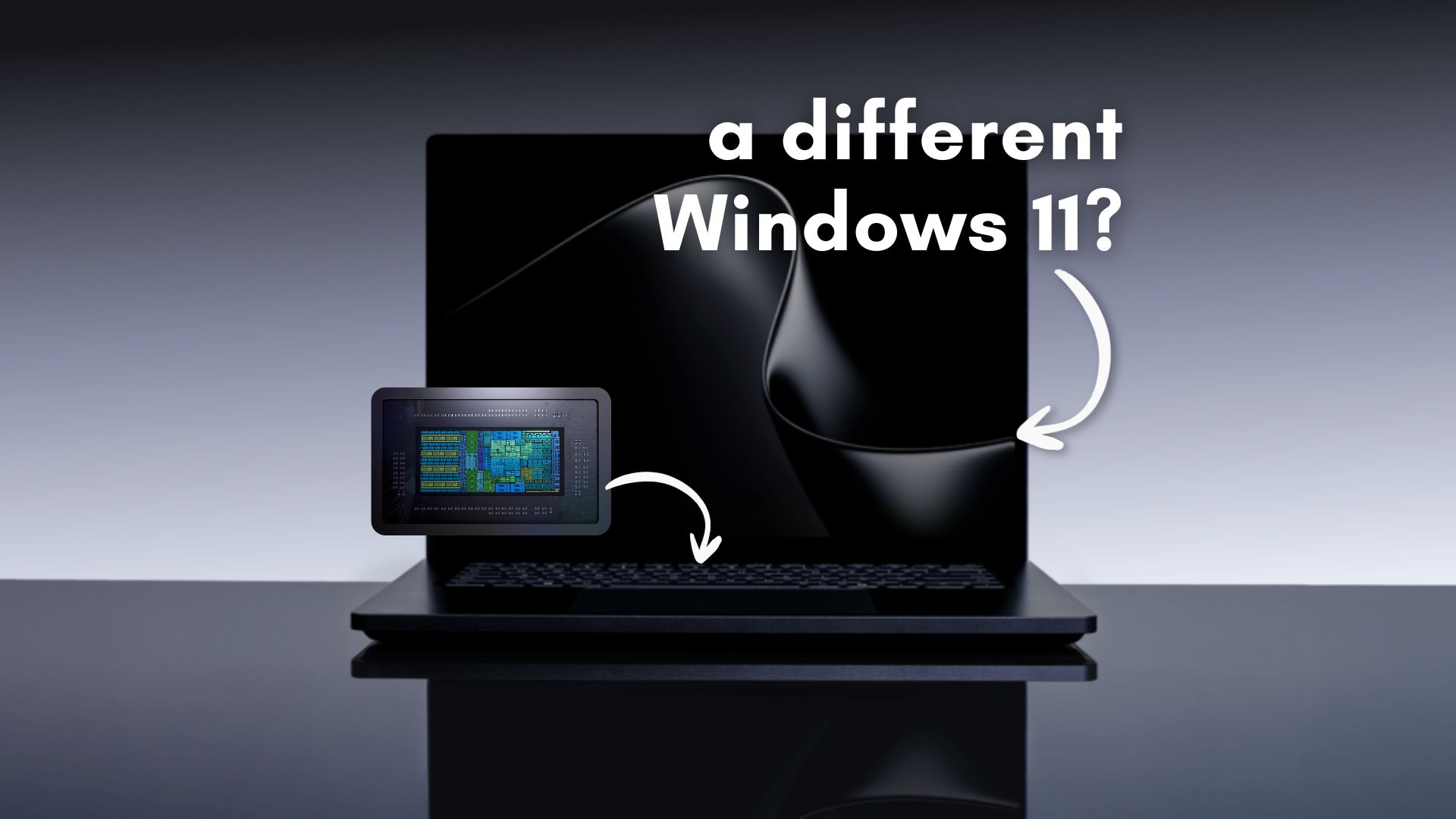
WindowsLatest reports that Microsoft rewrote parts of Windows 11 for NVIDIA's new RTX Spark SoC introduced at Computex. According to WindowsLatest and blog posts from Microsoft and NVIDIA published during the Taipei event, the OS changes include a new Workload Profile Scheduling (WPS) mechanism to scale workloads across the chip's 20 CPU cores, plus scheduler, memory-management, Prism emulator tuning, and power-management optimizations. WindowsLatest reproduces a presentation quote: "Whether you're checking your email or running an agent locally to debug code, the Windows scheduler on RTX Spark will ensure you get the best performance and efficiency out of your CPU." WindowsLatest also notes there are no independent benchmarks available yet to verify the keynote performance claims. OS-level scheduler changes for highly heterogeneous Arm SoCs can benefit broader PC classes by improving power-performance tradeoffs for mixed CPU/GPU/AI workloads.
What happened
WindowsLatest reports that Microsoft implemented a substantial rewrite of parts of Windows 11 to support NVIDIA's newly announced RTX Spark processor revealed at Computex. According to WindowsLatest and the Microsoft and NVIDIA blog posts referenced at the Taipei event, the changes introduce Workload Profile Scheduling (WPS) to scale tasks across the SoC's 20 CPU cores and include scheduler optimizations, memory-management updates, Prism emulator tuning, and power-management improvements. WindowsLatest reproduces a presentation line: "Whether you're checking your email or running an agent locally to debug code, the Windows scheduler on RTX Spark will ensure you get the best performance and efficiency out of your CPU." WindowsLatest also notes there are no independent benchmarks yet to verify performance claims from the keynote.
Editorial analysis - technical context
Operating systems historically adapt scheduler logic when SoC heterogeneity increases; examples include ARM big.LITTLE and energy-aware scheduling. For a chip that tightly integrates CPU cores, GPU acceleration, AI engines, and unified memory, scheduler and memory-management adjustments are typical to reduce stalls, improve locality, and balance latency versus energy. Companies shipping heterogeneous SoCs commonly tune emulation layers and power-management heuristics as part of platform bring-up.
Context and significance
Editorial analysis
Reporting frames this work as an OS-level response to the RTX Spark architecture rather than a single-device tweak. If the WPS approach proves effective, similar scheduler strategies could influence how Windows on Arm and other operating systems handle integrated AI acceleration and unified-memory designs across future laptops and mobile-class PCs.
What to watch
- •Independent benchmarks and reviews that validate the performance and battery claims reported at Computex.
- •Technical documentation or kernel notes from Microsoft that describe WPS policies and scheduling heuristics.
- •Driver and firmware updates from NVIDIA that expose telemetry useful for scheduler decisions.
Key Points
- 1Microsoft and NVIDIA required OS-level changes to exploit RTX Spark's heterogeneous 20-core SoC, per WindowsLatest and event blogs.
- 2Workload Profile Scheduling (WPS) reflects a broader industry pattern of shifting scheduling intelligence to the OS for mixed CPU/GPU/AI workloads.
- 3If validated by benchmarks, these scheduler and memory changes could inform future OS support for unified-memory, accelerated SoCs across PCs.
Scoring Rationale
Notable for systems and platform engineers because OS scheduler changes are necessary for emerging heterogeneous SoCs, but the story currently relies on vendor reporting without independent benchmarks.
Practice with real Ad Tech data
90 SQL & Python problems · 15 industry datasets
250 free problems · No credit card
See all Ad Tech problems