Microsoft Discloses OpenAI Stakes and Gains
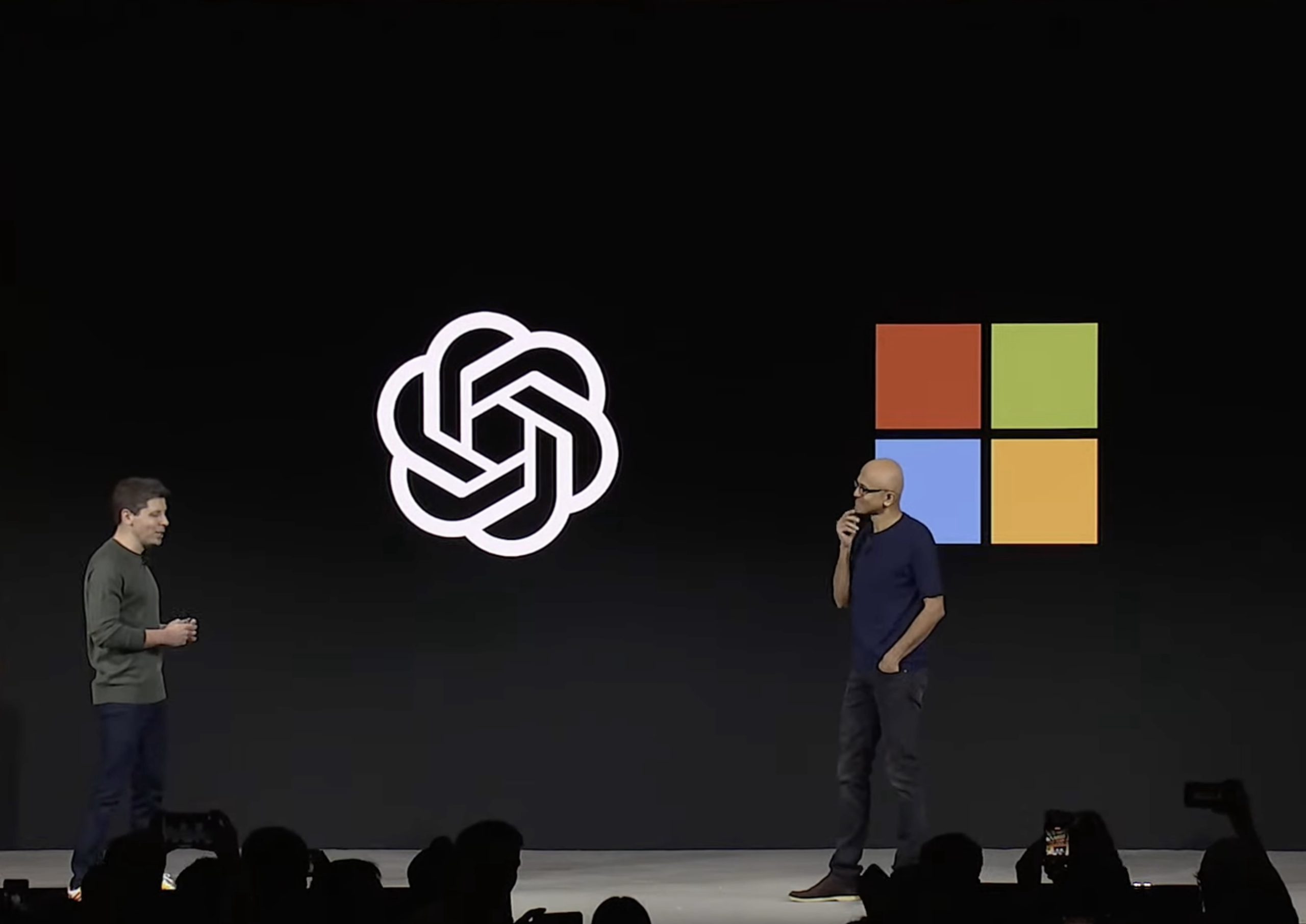
Microsoft's Form 10-Q for the quarter ended March 31, 2026 states the company holds approximately 27 percent of OpenAI on an as-converted basis and discloses a total funding commitment of $13 billion, of which $11.8 billion had been funded as of March 31, 2026, according to the filing. The Form 10-Q records net gains of $5.9 billion for the nine months ended March 31, 2026, primarily from a dilution gain tied to OpenAI's October 2025 recapitalization; the prior nine-month period showed $2.7 billion of net losses, per the filing. Om Malik's coverage on Om.com synthesizes these entries and notes that Azure consumption tied to OpenAI and equity markups both flow through Microsoft financials, contributing to an AI business run rate Om reports as $37 billion and a 123 percent year-over-year increase. This sequence illustrates how cloud providers with equity stakes in private AI labs can generate simultaneous accounting effects from investments, compute revenue, and valuation markups.
What happened
Microsoft's Form 10-Q filed with the SEC for the quarter ended March 31, 2026 states Microsoft holds approximately 27 percent of OpenAI on an as-converted basis and discloses a total funding commitment of $13 billion, of which $11.8 billion had been funded as of March 31, 2026. The same Form 10-Q records net gains of $5.9 billion for the nine months ended March 31, 2026, which it attributes primarily to a dilution gain related to OpenAI's October 2025 recapitalization; the prior nine-month period recorded $2.7 billion of net losses, per the filing.
What happened, continued
Om Malik's writeup on Om.com synthesizes these figures and highlights that Microsoft booked equity markups as "other income" and that OpenAI's Azure consumption shows up as Azure revenue, contributing to what Om reports as an AI business annual run rate of $37 billion and a 123 percent year-over-year increase based on Microsoft commentary and the 10-Q.
Editorial analysis - technical context
Companies that both invest in private AI labs and supply cloud compute can generate three related financial effects: cash outflow when investing, increased cloud revenue as the lab consumes compute, and valuation-driven markups under equity accounting. Those markups can show up as "other income" when an investee is recapitalized or revalued. Observed patterns in comparable arrangements make these mechanisms predictable rather than exceptional.
Context and significance
Industry context: For practitioners, this matters because it makes the economics of cloud-hosted AI usage and vendor incentives more visible. Public filings that pair ownership stakes with usage-driven revenue create a feedback loop in reported results: growth in AI revenue can coincide with unrealized investment gains, affecting headline metrics that customers and investors use to assess cloud providers.
What to watch
Watch subsequent SEC filings and quarterlies for more detailed segment disclosures and any changes in how Microsoft disaggregates AI-related revenue. Observers will also track OpenAI funding rounds or recapitalizations and any additional investor disclosures that explain valuation movements. Finally, monitor Microsoft's investor materials for reconciliation of the $37 billion AI run rate to product-level metrics and seat counts if those are released.
Note on sourcing
Numerical and accounting statements in this summary are drawn from Microsoft's Form 10-Q filed with the SEC for the period ended March 31, 2026, and from Om Malik's reporting on Om.com, which interprets the filing and related earnings commentary.
Key Points
- 1Microsoft's 10-Q shows equity markups and Azure consumption can coincide, producing both revenue and reported investment gains.
- 2High private valuations translate into "other income" under equity accounting, inflating headline profitability without immediate cash realization.
- 3Industry observers should treat AI revenue run rates alongside equity valuation effects when assessing cloud providers' AI financials.
Scoring Rationale
The filing reveals material accounting and revenue dynamics at the intersection of cloud providers and private AI labs, which matters for procurement, vendor economics, and how practitioners interpret headline AI revenue. The story is notable for its implications, but it is not a technical or model-level breakthrough.
Sources
Public references used for this report.
Practice interview problems based on real data
1,625 SQL & Python problems across 15 industry datasets — the exact type of data you work with.
Try 250 free problems