Researchoptical storagefemtosecond laserborosilicateproject silica
Microsoft Demonstrates Borosilicate Glass Data Storage
7.3
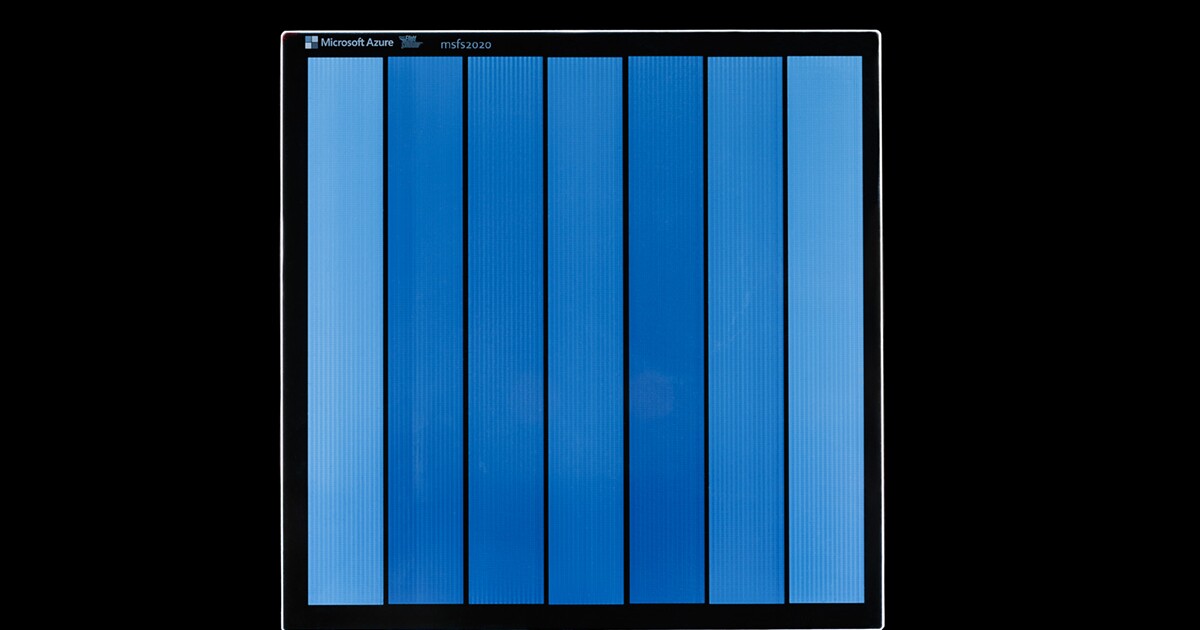
Microsoft this week published Nature research showing it can encode 2.02 TB across 258 layers on a 2 mm borosilicate glass plate using femtosecond lasers, achieving write speeds between 18.4 and 65.9 Mbps and single-camera readback. The team developed phase-based voxels requiring one laser pulse, and accelerated-aging tests suggest viability beyond 10,000 years, which could lower material costs compared with fused silica for long-term archives.
Key Points
- 1Encoded 2.02 TB across 258 layers on a 2 mm borosilicate glass plate.
- 2Reduces costs by using common borosilicate instead of fused silica, easing manufacture and material sourcing.
- 3Enables single-pulse phase-based voxels and single-camera reads, boosting write speeds to 18–66 Mbps.
Scoring Rationale
Strong peer-reviewed demonstration with practical materials and faster writes, but it remains lab-stage research without immediate commercialization plans.
Practice interview problems based on real data
1,625 SQL & Python problems across 15 industry datasets — the exact type of data you work with.
Try 250 free problems