
Microsoft Brings Agentic Copilot to Outlook Inbox and Calendar
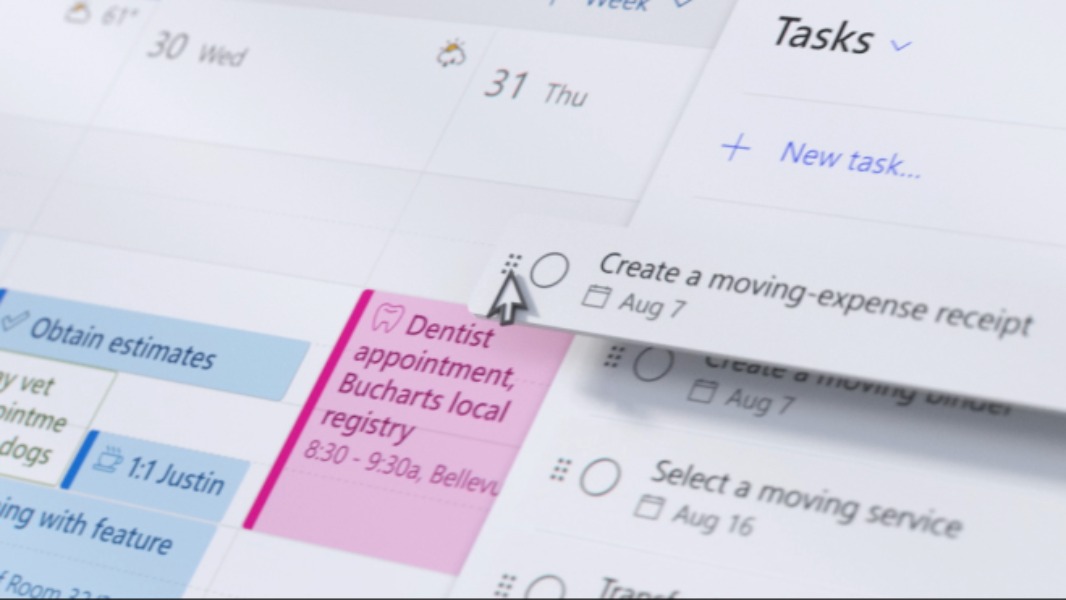
Per the Outlook Blog, Microsoft introduces agentic features for Copilot in Outlook that proactively manage email and calendar workflows. The new capabilities let Copilot triage and prioritize messages, draft and send follow-ups, create inbox rules, surface items that need attention, and handle calendar conflicts and rescheduling. The blog frames these features as drawing on Work IQ - using relevant emails, meetings, preferences, and relationships to act in-context. Per Microsoft, the latest agentic experiences begin rolling out April 27 via the Microsoft 365 Copilot program for all Outlook endpoints; earlier Wave 3 features began rolling out on March 9, 2026. These agentic behaviors shift Copilot from single-shot assistance to ongoing task automation, raising questions about reviewability, permissions, and audit trails for automation in knowledge-work email and scheduling.
What happened
Per the Outlook Blog, Microsoft announced that Copilot in Outlook now supports agentic experiences that go beyond single-shot drafting and summarization. The update introduces inbox management capabilities that triage and prioritize emails, surface messages that need replies, draft follow-ups, and create inbox rules. The announcement also describes calendar delegation features that reprioritize events, resolve conflicts, and propose rescheduling or prep time. The blog states these agentic features begin rolling out April 27 via the Microsoft 365 Copilot program for all Outlook endpoints, and it references earlier Wave 3 rollout activity that started March 9, 2026 (Outlook Blog).
Technical details
Per the Outlook Blog, the feature set is grounded in Work IQ, which Microsoft describes as drawing on relevant emails, meetings, calendar preferences, and relationships so Copilot can act with context. The post illustrates in-place drafting - Copilot writes and updates emails directly in the message canvas rather than producing a one-off draft - and shows example prompts for automated follow-ups, inbox-rule creation, vacation catch-up summaries, and complex drafting workflows (Outlook Blog, Mar 9 and Apr 27 posts).
Industry context
Agentic assistants embedded in mail and calendar shift automation from ephemeral suggestions to persistent action. Companies delivering comparable integrations often need to expose clear review and approval flows, role-based permissions, and audit logs so end users and admins can trace automated changes. For practitioners, this increases emphasis on user intent capture, prompt engineering for multi-step workflows, and testing for edge cases where automated rescheduling or rule creation could conflict with organizational policies.
Context and significance
What to watch
Editorial analysis
Embedding agentic capabilities into a primary productivity app like Outlook matters because email and calendar are central to knowledge work and enterprise workflows. Industry reporting frames this update as part of the broader Wave 3 push for Copilot experiences that reduce manual follow-up and scheduling overhead. For IT and security teams, the change amplifies operational questions around consent, data access scopes, and change visibility when an assistant acts autonomously.
Observers should track admin controls and tenant-level settings Microsoft publishes, telemetry or audit features that record Copilot actions, rollout granularity across platforms (web, Windows, mobile), and any documentation on data retention or rule-review workflows. Also watch early user reports for false positives in prioritization and unintended calendar changes that would inform safe defaults and guardrails.
Key Points
- 1Microsoft adds agentic features to Copilot in Outlook, enabling automated triage, follow-ups, and calendar conflict resolution.
- 2The update uses Work IQ to act with context, which raises governance needs like permissions, audit logs, and approval flows.
- 3For practitioners, agentic assistants shift emphasis to multi-step prompt design, testing automation edge cases, and visibility into automated actions.
Scoring Rationale
This product update embeds agentic automation into a core productivity app, which is notable for enterprise practitioners and platform integrators; it is not a frontier-model breakthrough, so the impact is significant but not transformative. Freshness of the announcement reduces score slightly.
Sources
Public references used for this report.
Practice interview problems based on real data
1,625 SQL & Python problems across 15 industry datasets — the exact type of data you work with.
Try 250 free problems

