Meta Releases Muse Spark, Reboots Consumer AI Push
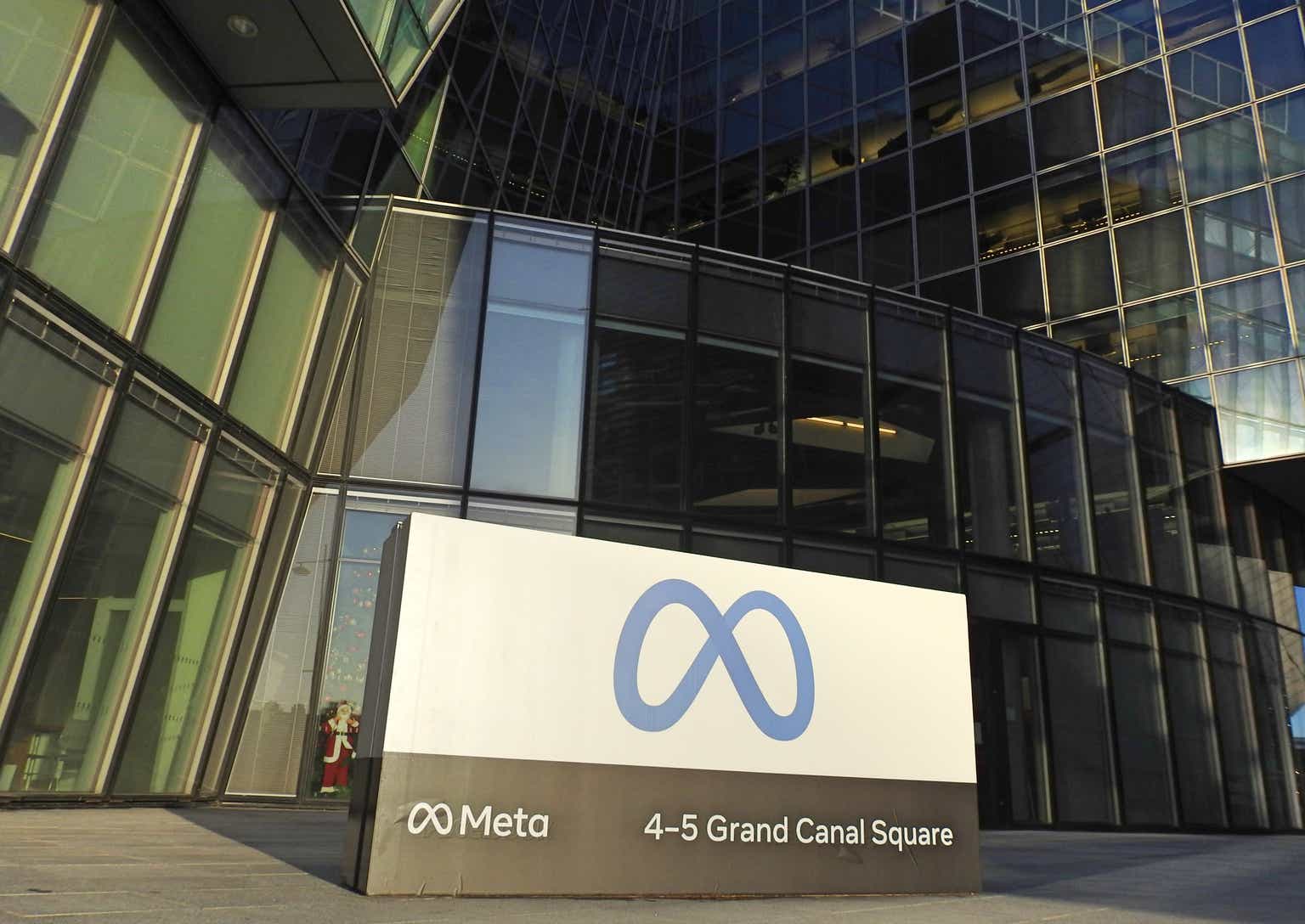
Meta launches `Muse Spark`, the first model from Meta Superintelligence Labs, after a near nine month rebuild following the Llama 4 problems. The model is live in the Meta AI app and on meta.ai, and emphasizes fast, capable multimodal perception, parallel multi-agent reasoning, and a staged rollout of a higher-capability "Contemplating" mode. Meta packages Muse Spark as a consumer-first, proprietary model tied to its large user base and ad infrastructure, shifting away from the prior open-source Llama strategy. The release aims to restart growth and engagement while raising questions about monetization, privacy, and how the model will evolve versus competitors like OpenAI and Anthropic.
What happened
Meta deployed `Muse Spark`, the inaugural model from Meta Superintelligence Labs, completing a near nine month internal rebuild after the Llama 4 misstep. Muse Spark is available on the web and in the Meta AI app, and Meta says it will power meta.ai and future AR experiences. The model prioritizes low latency and usable reasoning now, with a phased rollout of a stronger reasoning mode called "Contemplating" and parallel-agent execution for harder problems.
Technical details
Meta positions `Muse Spark` as a small, fast, multimodal foundation engineered for practical handling of science, math, health, and everyday multimodal queries. The released capabilities include multimodal perception (image understanding tied to reasoning), mode switching between quick answers and deeper reasoning, and an architecture that runs multiple collaborating subagents in parallel to increase test-time reasoning without proportionally increasing latency. Meta explicitly highlights parallel-agent scaling with the quote, "To spend more test-time reasoning without drastically increasing latency, we can scale the number of parallel agents that collaborate to solve hard problems," attributed to Meta. The company has also integrated Muse Spark into product flows that launch parallel subagents to draft itineraries, compare options, and fetch supporting evidence concurrently. Meta has not published a full technical paper or open-sourced the model; evaluations are summarized in the company blog and product pages rather than an arXiv-style release.
Context and significance
This release represents a strategic pivot for Meta. After purchasing a large stake in Scale AI and hiring Alexandr Wang to lead the effort, Meta consolidated an elite team and retooled its stack, spending heavily-public reporting cites a $14.3 billion transaction tied to Scale AI and planned capital expenditures between $115 billion and $135 billion for the year. Meta is moving from the previous open-source Llama approach to a proprietary consumer-first model. For practitioners, the important signals are the focus on multimodal perception integrated into product UX, the use of parallel-agent orchestration to trade compute for latency and capability, and Meta's intent to embed the model deeply into its massive DAU base to drive engagement and potential ad monetization. That tradeoff, proprietary vs open, changes how researchers and engineers can reproduce or build on Meta's work and positions Meta as a competing consumer alternative to OpenAI and Anthropic.
What to watch
Product rollout, safety evaluations, and monetization plans. Monitor how Meta measures and publishes evaluation metrics for reasoning, factuality, and multimodal perception. Expect privacy scrutiny around health and image-based queries, especially because use requires a Meta account. From a technical angle, watch for a follow-up release that expands the Contemplating mode or publishes model and training details; those will determine how competitive Muse Spark is at the frontier.
Bottom line
Muse Spark is a pragmatic reset: a fast, multimodal, proprietary foundation aimed at consumer engagement rather than a single capability breakthrough. It signals Meta doubling down on product integration and ads-led monetization while leaving the research community waiting for detailed benchmarks and reproducible artifacts.
Key Points
- 1Meta released `Muse Spark`, a proprietary, multimodal model optimized for fast, usable reasoning in consumer products.
- 2The model uses parallel subagents and a phased "Contemplating" mode to increase capability without proportional latency increases.
- 3Shift from open-source Llama to closed Muse series prioritizes product control, monetization potential, and raises privacy and reproducibility questions.
Scoring Rationale
This is a significant, company-level model release from Meta with meaningful product and technical choices: multimodal perception, parallel-agent orchestration, and a proprietary distribution shift. It is not an immediate frontier leap like a new state-of-the-art open model, so the impact is notable but not historic. The story is >3 days old which reduces immediacy slightly.
Sources
Public references used for this report.
Practice with real Ad Tech data
90 SQL & Python problems · 15 industry datasets
250 free problems · No credit card
See all Ad Tech problems