Maine Imposes Moratorium on Large Data Centers
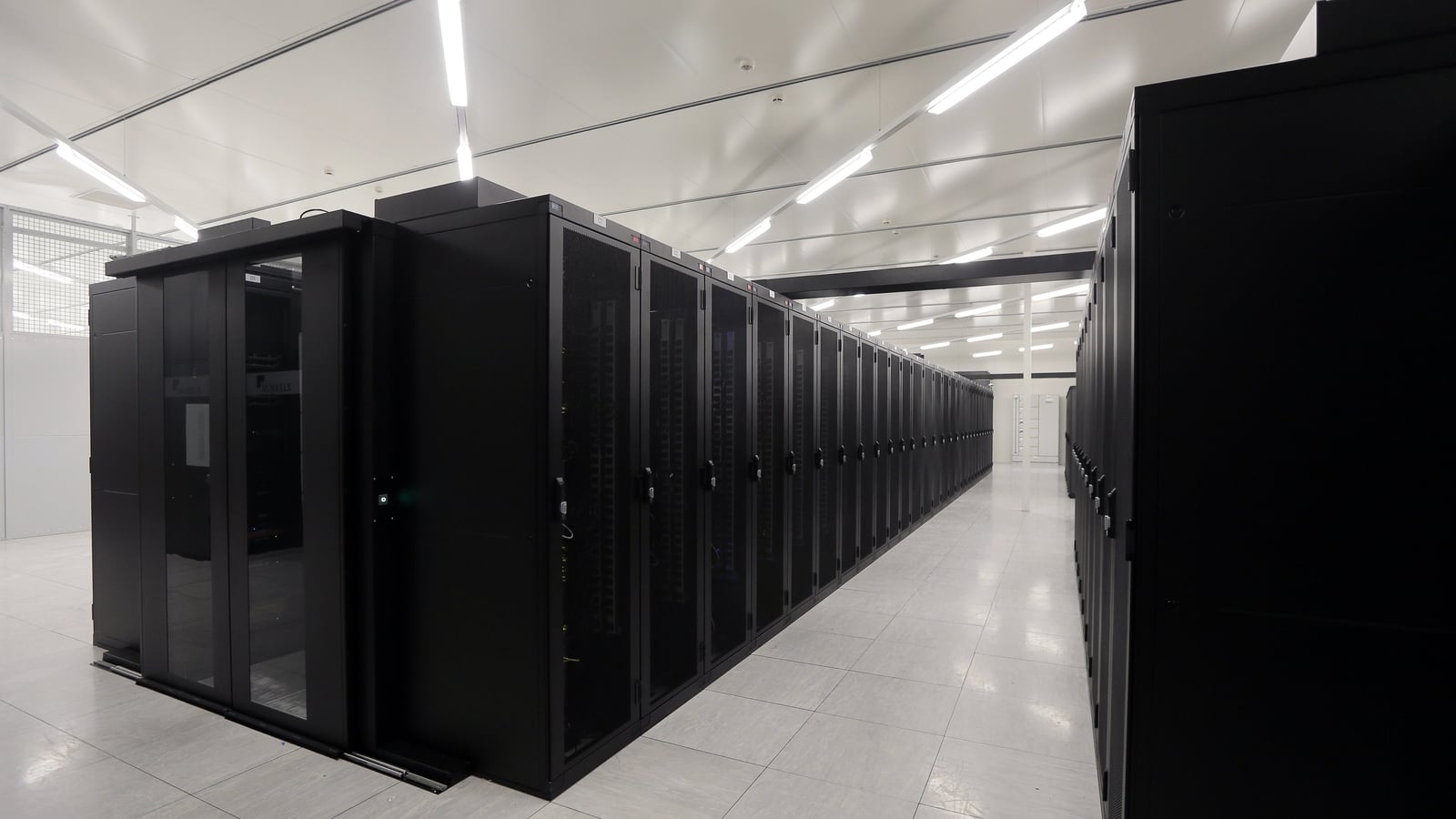
Maine lawmakers passed a temporary moratorium that would bar new data centers drawing more than 20 megawatts of electrical capacity until fall 2027, making the state the first in the US to enact a statewide pause. The bill, sponsored by Representative Melanie Sachs, cleared both legislative chambers and now goes to Governor Janet Mills for signature. The law creates a Maine Data Center Coordination Council to assess grid, environmental, and ratepayer risks and benefits, and prevents local permits for projects above the threshold. The move reflects growing nationwide concern about energy, water, land use, and local control as AI-driven demand for hyperscale compute expands.
What happened
Maine passed a temporary moratorium that would block new data centers that draw more than 20 megawatts of power, making it the first US state to enact a statewide pause on large-scale data center construction. The bill, sponsored by Representative Melanie Sachs, cleared both houses and is now on the desk of Governor Janet Mills. If signed, the moratorium runs until November 2027 and requires the creation of a Maine Data Center Coordination Council to evaluate infrastructure, environmental, and ratepayer impacts.
Technical details
The law specifies a capacity threshold of 20 megawatts as the cutoff for the moratorium and explicitly prohibits local authorities from issuing permits for projects above that level during the pause. The proposed council will coordinate analysis with the Department of Energy Resources and assess how proposed facilities would interact with grid capacity, water use, siting, and existing industrial infrastructure such as the proposed redevelopment at the Androscoggin/Jay mill site. There are currently no large operational hyperscale data centers in Maine, though multiple proposals have been disclosed recently.
Why it matters for practitioners
This is a policy-first response to the surge in requests for large compute capacity driven by AI workloads. Data center builds for generative models and hyperscale cloud services increasingly require multi-megawatt power feeds, sizable land footprints, and substantial cooling and water resources. The moratorium creates a precedent for state-level gatekeeping that can affect where cloud providers and hyperscalers site future facilities and how utilities plan capacity expansions.
Practical implications
- •Developers and hyperscalers will face longer permitting timelines and new review criteria when proposing projects in Maine, potentially shifting site selection to other states with more permissive rules.
- •Utilities and grid planners must accelerate integrated resource planning to quantify impacts of large compute loads, including peak demand, resilience, and rate effects for residential customers.
- •Local governments and planning authorities gain an institutionalized review mechanism via the proposed council, increasing the need for early public engagement and transparent load modeling.
Context and significance
The moratorium joins a wave of local and state-level responses to public concern about energy bills, land use, and environmental impacts related to data centers. At least a dozen other states are considering similar measures or have municipal bans. Policymakers are reacting to high-profile projects that surfaced quickly across rural and exurban areas, sometimes with limited local consultation. For AI infrastructure strategy, this shifts risk assessment beyond construction and operations to political and permitting exposure. Companies that build and operate data centers will need to refine community impact analyses, develop mitigation strategies for water and waste heat, and present clearer economic benefit cases to local stakeholders.
What to watch
Governor Janet Mills can sign or veto the bill; her office has signaled support for moratoria in principle but previously sought exemptions for reuse of existing industrial sites. Watch for the composition and mandate of the Maine Data Center Coordination Council, utility filings spurred by the law, and whether other states adopt similar thresholds. For engineering teams, anticipate stronger demand for transparent demand modeling, on-site renewables and storage proposals, and modular architectures that can present lower grid impact profiles.
Key Points
- 1Maine enacts an 18-month moratorium for projects above 20 megawatts, creating a novel state-level gating mechanism for hyperscale builds.
- 2The law centralizes review via a data center council, increasing the importance of early grid impact studies and public engagement.
- 3This precedent raises siting, permitting, and energy-planning risks for AI infrastructure, likely shifting projects to more permissive states.
Scoring Rationale
This is a notable, practice-relevant policy action: the first statewide moratorium on large data centers. It sets a precedent that affects siting, permitting, and grid planning for AI infrastructure, creating material operational and strategic implications for practitioners.
Sources
Public references used for this report.
View 4 more sources
- Legislature passes first in nation moratorium on data centers - WMTWwmtw.com
- Maine Aims to Pause AI Data Centers. 11 Other States Tried and ...businessinsider.com
- Maine Poised to Enact First State AI Data Center Moratoriumfoodandwaterwatch.org
- Landmark data center moratorium passes Maine Legislaturemainemorningstar.com
Practice interview problems based on real data
1,625 SQL & Python problems across 15 industry datasets — the exact type of data you work with.
Try 250 free problems