Mahira Khan Exposes ChatGPT Chemistry Errors Live
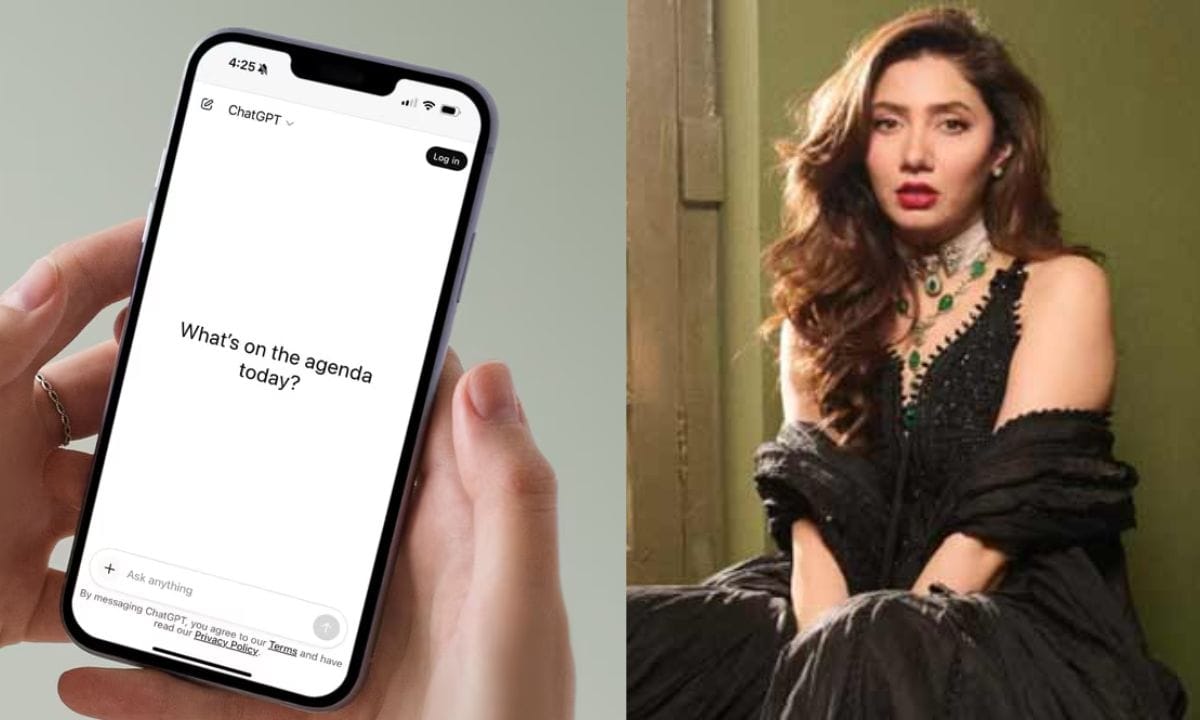
Per TechJuice, Pakistani actress Mahira Khan tested ChatGPT on her Instagram stories and caught the chatbot making errors on basic chemistry questions. TechJuice reports that ChatGPT initially gave an incorrect answer before correcting itself to identify sulphur dioxide on one question, then admitted and corrected an error on a follow-up about carbon monoxide. The article quotes Khan highlighting phrases such as "you're right" and "sorry" in the bot's replies and says she advised followers not to rely on ChatGPT for every question. TechJuice also describes Khan reacting with visible amusement and continuing to test the model during the session.
What happened
Per TechJuice, Pakistani actress Mahira Khan publicly tested ChatGPT on her Instagram stories and encountered multiple factual mistakes during a short live session. TechJuice reports that ChatGPT initially answered a chemistry question incorrectly, then corrected itself to identify sulphur dioxide as the right response. The article says Khan followed with a second chemistry question about carbon monoxide, where ChatGPT again acknowledged an error and corrected its prior reply. TechJuice quotes Khan calling attention to the bot's replies that included the phrases "you're right" and "sorry" and reports she told followers not to rely on ChatGPT for every question.
Editorial analysis - technical context
Large language models routinely produce confident but incorrect factual statements, a behavior commonly labeled "hallucination" in practitioner literature. For practitioners, public examples like this underscore the difference between fluent natural-language generation and verified factual retrieval; such incidents typically arise from model training on noisy web text and the absence of deterministic knowledge grounding, not from a single identifiable bug in a user session.
Industry context
Observed patterns in similar public demos show that nontechnical audiences often conflate conversational fluency with factual accuracy. Industry reporting of celebrity encounters with models can rapidly amplify user awareness of reliability limits, which in turn affects public expectations and platform trust metrics.
What to watch
- •Whether platform providers surface clearer in-product signals about confidence, sourcing, or verification for factual answers.
- •How consumer-facing documentation and guardrails evolve to reduce misinterpretation by lay users.
- •Reporting on any official response or explanation from the model's provider; TechJuice does not quote an official statement from the provider in its coverage.
Takeaway for practitioners
For practitioners designing or integrating conversational systems, incidents highlighted in public-facing demos reinforce the need for explicit uncertainty communication, citation of sources for factual claims, and end-to-end validation when models are used for decision-critical tasks.
Key Points
- 1Public demos by nontechnical figures quickly surface model hallucinations, increasing public scrutiny of factual reliability.
- 2Fluent conversational output often misleads users; practitioners therefore prioritize citations, uncertainty signals, and grounding.
- 3Celebrity-led incidents can accelerate discussion about platform transparency and consumer-facing guardrails for AI answers.
Scoring Rationale
The story is a minor but useful reminder about LLM factual reliability; it highlights user-facing risks but does not introduce new technical findings or platform changes. It matters to practitioners who build user-facing agents but is not industry-shifting.
Practice with real Social Media data
90 SQL & Python problems · 15 industry datasets
250 free problems · No credit card
See all Social Media problems