Lisuan LX 7G100 trails Nvidia RTX 3060 in benchmarks
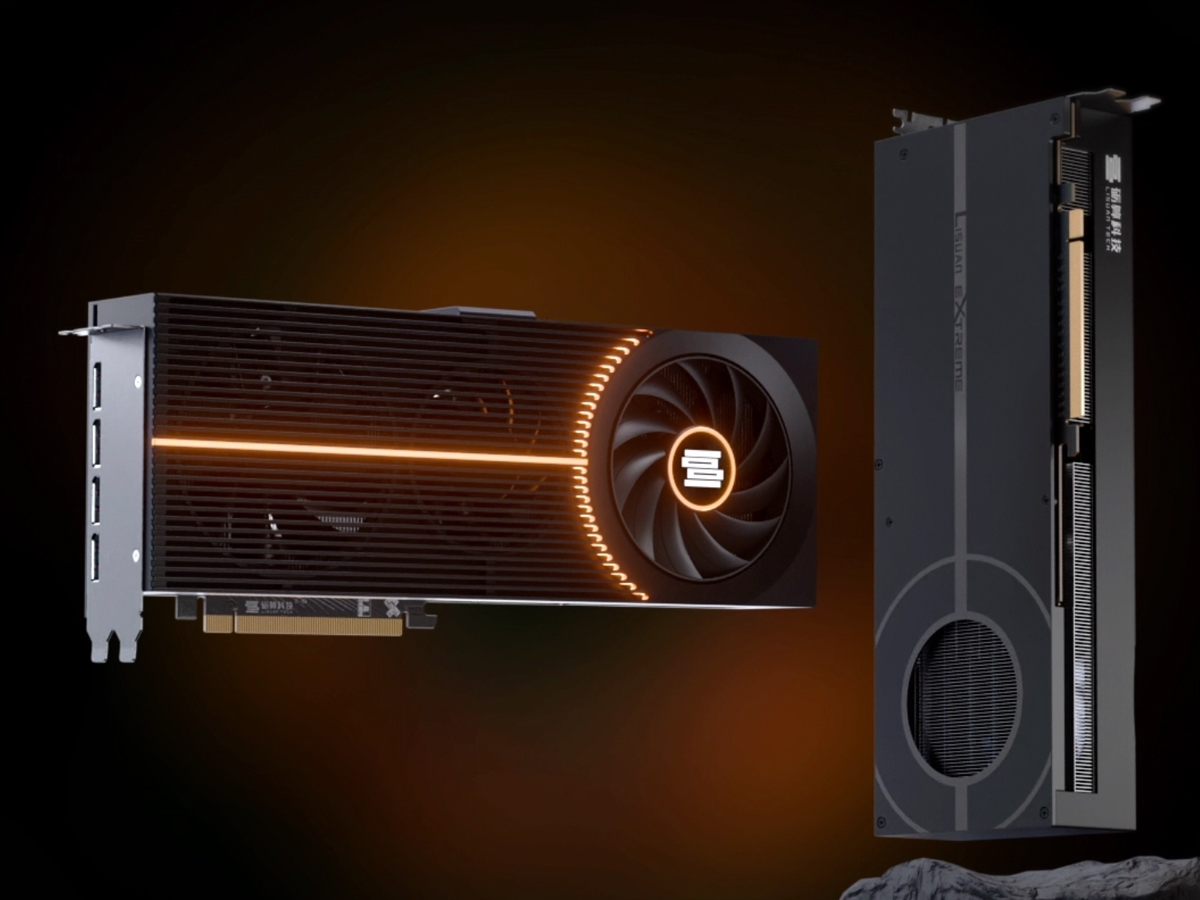
Multiple early reviews and a BiliBili benchmark video show China's domestically produced Lisuan LX 7G100 delivering substantially less gaming performance than the five-year-old Nvidia RTX 3060. Notebookcheck reports the LX 7G100 averages about 65% of RTX 3060 performance in a 1080p test suite run by a BiliBili user called Ancient PC Builder, with larger gaps in titles such as Monster Hunter Rise and Dota 2. TechSpot and Videocardz note the Founder Edition is priced around 3,300 RMB (about $480) and that the card runs many modern games but suffers from driver limitations and no hardware ray tracing support, per TechSpot. Wccftech and Videocardz report the LX 7G100 ships with 12 GB GDDR6, a 192-bit bus and a PCIe 4.0 x16 interface. Industry observers will treat this as a milestone for Chinese GPU hardware but see product-market fit challenges given price and software immaturity.
What happened
Multiple outlets and an early BiliBili benchmark video compared the Chinese-made Lisuan LX 7G100 to the older Nvidia RTX 3060. Notebookcheck reports that in the 1080p gaming tests run by a BiliBili user called Ancient PC Builder, the LX 7G100 averaged about 65% of RTX 3060 performance. TechSpot and Videocardz reported the Founder Edition retails near 3,300 RMB (about $480) in China. Chaowanke and other reviewers ran a mix of modern AAA titles and synthetic benchmarks, with some 3DMark scores appearing closer to RTX 3060 territory while real-game frame rates were frequently lower, according to TechSpot and Videocardz.
Technical details
Wccftech and Videocardz list the LX 7G100's reported hardware as 12 GB GDDR6 on a 192-bit memory bus, using a 6 nm *7G106* GPU die and a reported maximum TDP near 225W, with a single 12-pin power connector; Videocardz notes four DisplayPort 1.4a outputs and PCIe 4.0 x16 support. TechSpot documents that the card currently lacks hardware ray tracing and that its driver panel and tooling are rudimentary, with limited monitoring, inconsistent overclocking behavior, and ongoing compatibility/driver work needed. TechSpot also reports Lisuan reportedly told the reviewer that ray tracing is planned for second-generation GPUs.
Editorial analysis - technical context
Companies bringing a new GPU stack to market typically face a two-track challenge: silicon microarchitecture parity and software/driver maturity. Early entrants often show competitive results in synthetic tests like 3DMark while lagging in real-world game workloads until drivers and game-specific optimizations mature. Driver stability, API conformance (DX12, Vulkan 1.3) and feature parity such as hardware ray tracing materially affect perceived performance in modern titles, which helps explain why the LX 7G100's synthetic scores can look better than its in-game frame rates.
Industry context
For observers tracking global GPU supply chains and compute sovereignty, this release is a tangible step for China's domestic GPU efforts, as multiple outlets note broader game compatibility at launch compared with some prior domestic cards. However, reviewers highlighted the LX 7G100's price point relative to established competitors as a practical barrier: outlets including TechSpot and Videocardz emphasize that at roughly $480, the card sits near more powerful mainstream alternatives from established vendors, reducing its immediate competitiveness in consumer gaming markets.
What to watch
- •Driver updates and per-game optimizations that could close the real-world gap between synthetic and gaming performance.
- •Any firmware or software tooling improvements for monitoring and overclocking that reviewers flagged as limited.
- •Whether follow-up silicon will include hardware ray tracing, which TechSpot reports Lisuan told the reviewer is planned for second-generation GPUs.
For practitioners
keep benchmarking methodology consistent when comparing early silicon; synthetic scores can mislead if driver-level optimizations are immature. Industry observers: this is a milestone for domestic GPU hardware but not yet a market-disrupting product given current price-performance and software gaps.
Key Points
- 1Early benchmarks show the Lisuan LX 7G100 averages 65% of RTX 3060 gaming performance, underscoring a hardware-software gap.
- 2At roughly 3,300 RMB (about $480), the LX 7G100 competes on price with stronger mainstream GPUs, reducing its consumer appeal.
- 3Industry pattern: new GPU vendors often score well in synthetics but need months of driver work to close real-game performance gaps.
Scoring Rationale
This is a notable hardware milestone for Chinese GPU development and relevant to practitioners tracking silicon and driver maturity, but the product currently underperforms relative to older mainstream cards and lacks disruptive impact.
Sources
Public references used for this report.
Practice with real Ride-Hailing data
90 SQL & Python problems · 15 industry datasets
250 free problems · No credit card
See all Ride-Hailing problems