LinkedIn Faces Malware Distribution Via DLL Sideloading
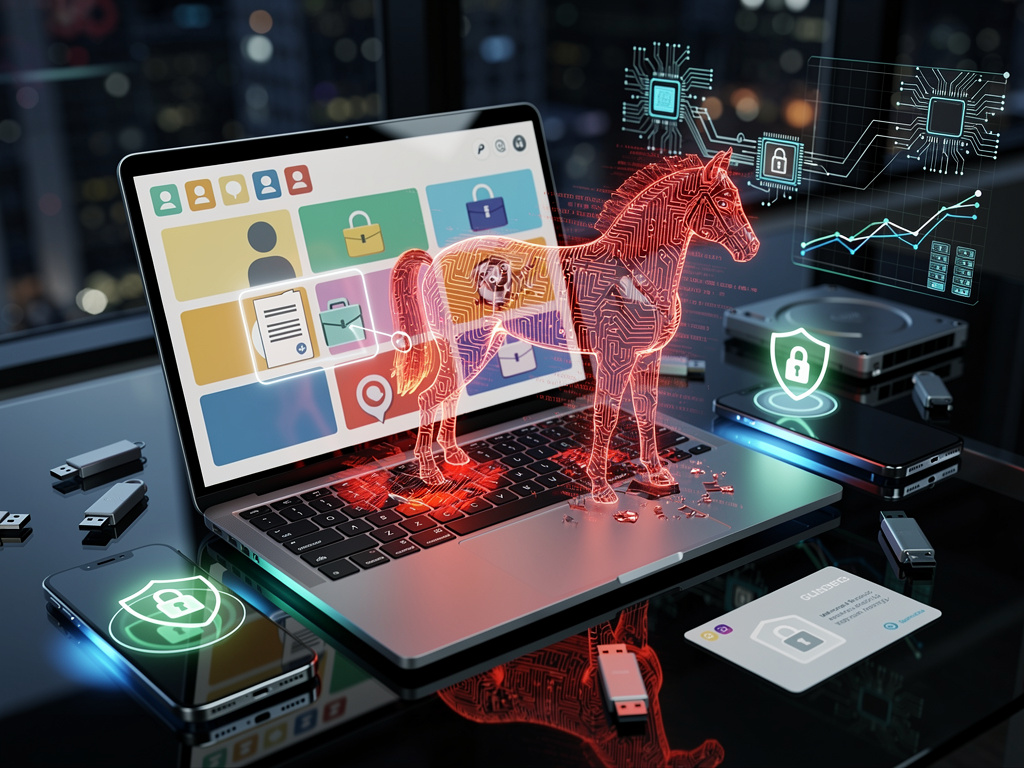
Cybersecurity researchers and industry outlets report attackers are using LinkedIn private messages to distribute remote access trojans (RATs) via DLL sideloading. The campaign uses social engineering—fake job offers and business proposals—to trick professionals into running executables that load malicious DLLs, enabling stealthy data exfiltration and backdoor access. Experts recommend enabling multi-factor authentication, advanced EDR and targeted user training to protect finance, technology and government organizations.
Key Points
- 1Deliver malware through LinkedIn private messages using DLL sideloading to deploy remote access trojans.
- 2Exploit trusted platform behavior and social engineering to evade detection and target high-value professionals.
- 3Recommend practitioners enable EDR, scrutinize attachments, enforce MFA, and train employees on LinkedIn threats.
Scoring Rationale
Significant practical guidance and industry-wide scope, but moderate novelty and reliance on non-peer-reviewed reporting.
Practice with real Ad Tech data
90 SQL & Python problems · 15 industry datasets
250 free problems · No credit card
See all Ad Tech problems