Lawmakers Reintroduce Revised No Fakes Act to Restrict Deepfakes
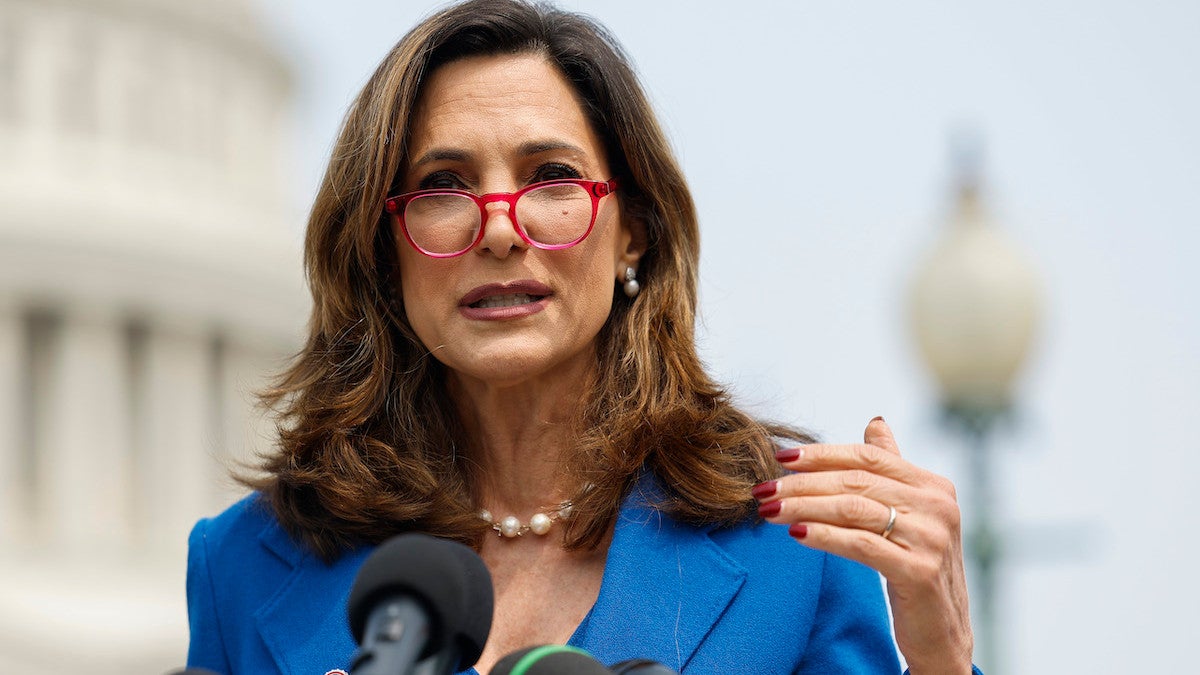
Deadline reports that a revised version of the No Fakes Act was reintroduced on May 20, 2026, aiming to regulate unauthorized digital replicas of a person's voice and likeness. Deadline reports the bill gives individuals the right to authorize such uses, and that the digital replication right does not expire at death but is transferable to heirs and executors, terminating no longer than 70 years after death. Deadline reports the measure includes a "counter-notice" procedure for challenging removals and exemptions for libraries, archives, and research institutions, as well as exclusions for news, documentary, sports, biographical works, comment, criticism, and parody. Deadline reports the reintroduction names sponsors including Sen. Chris Coons (D-DE), Sen. Thom Tillis (R-NC), Rep. Maria Salazar (R-FL) and Rep. Madeleine Dean (D-PA). Deadline notes an earlier version drew support from performers and companies including YouTube, Amazon, and OpenAI.
What happened
Deadline reports that lawmakers reintroduced a revised No Fakes Act on May 20, 2026, a bill intended to regulate unauthorized digital replicas of a person's voice and likeness. Deadline reports the bill grants individuals the right to authorize such digital replication, and that the digital replication right does not expire at a person's death; Deadline reports it can be transferred by heirs and executors and, per the bill text as reported, terminates no longer than 70 years after death. Deadline reports the legislation contains a "counter-notice" procedure to challenge removals and exemptions for libraries, archives, and research institutions, and that it already provided exclusions for news, documentary, sports, biographical works, comment, criticism, and parody. Deadline reports sponsors named in the reintroduction include Sen. Chris Coons (D-DE), Sen. Thom Tillis (R-NC), Rep. Maria Salazar (R-FL) and Rep. Madeleine Dean (D-PA). Deadline also reports that an earlier version had backing from performers and companies including YouTube, Amazon, and OpenAI, and cites the viral 2023 example using voices attributed to Drake and The Weeknd.
Editorial analysis - technical context
Industry observers working with generative audio and synthetic media often confront rights and consent complexity when models reproduce identifiable voices or likenesses. Companies and creators typically need clearer workflows for provenance, rights clearance, metadata labeling, and opt-in consent capture when a legal right of control exists. Watermarking and robust attribution practices appear as standard mitigations in similar regulatory environments.
Context and significance
Industry context: Legislation that creates transferable or post-mortem digital-rights, and that codifies counter-notice and exemptions, tends to reshape platform moderation rules, licensing marketplaces, and post-production workflows for synthetic media. For practitioners, this raises operational questions around dataset curation, permission records, and compliance tooling.
What to watch
Observers should track committee hearings, amendment text, industry stakeholder submissions, and how major platforms update developer and content policies if the bill gains traction. Deadline has not published direct quotes from bill authors explaining rationale beyond the reintroduction coverage.
Key Points
- 1Industry context: A transferable post-mortem digital-right, capped at 70 years, adds licensing complexity for generative audio and likeness use.
- 2Industry context: Counter-notice and exemptions mirror content-moderation frameworks and will influence platform takedown and appeals workflows.
- 3Industry context: Practitioners handling training data need stronger provenance and consent-record systems when reproducing identifiable voices or likenesses.
Scoring Rationale
A federal bill that defines rights for digital replicas directly affects generative-media engineering, dataset practices, and platform moderation. It is notable for practitioners but not a paradigm shift.
Practice interview problems based on real data
1,625 SQL & Python problems across 15 industry datasets — the exact type of data you work with.
Try 250 free problems