Laila VTOL Integrates SAMURAI to Intercept Drones
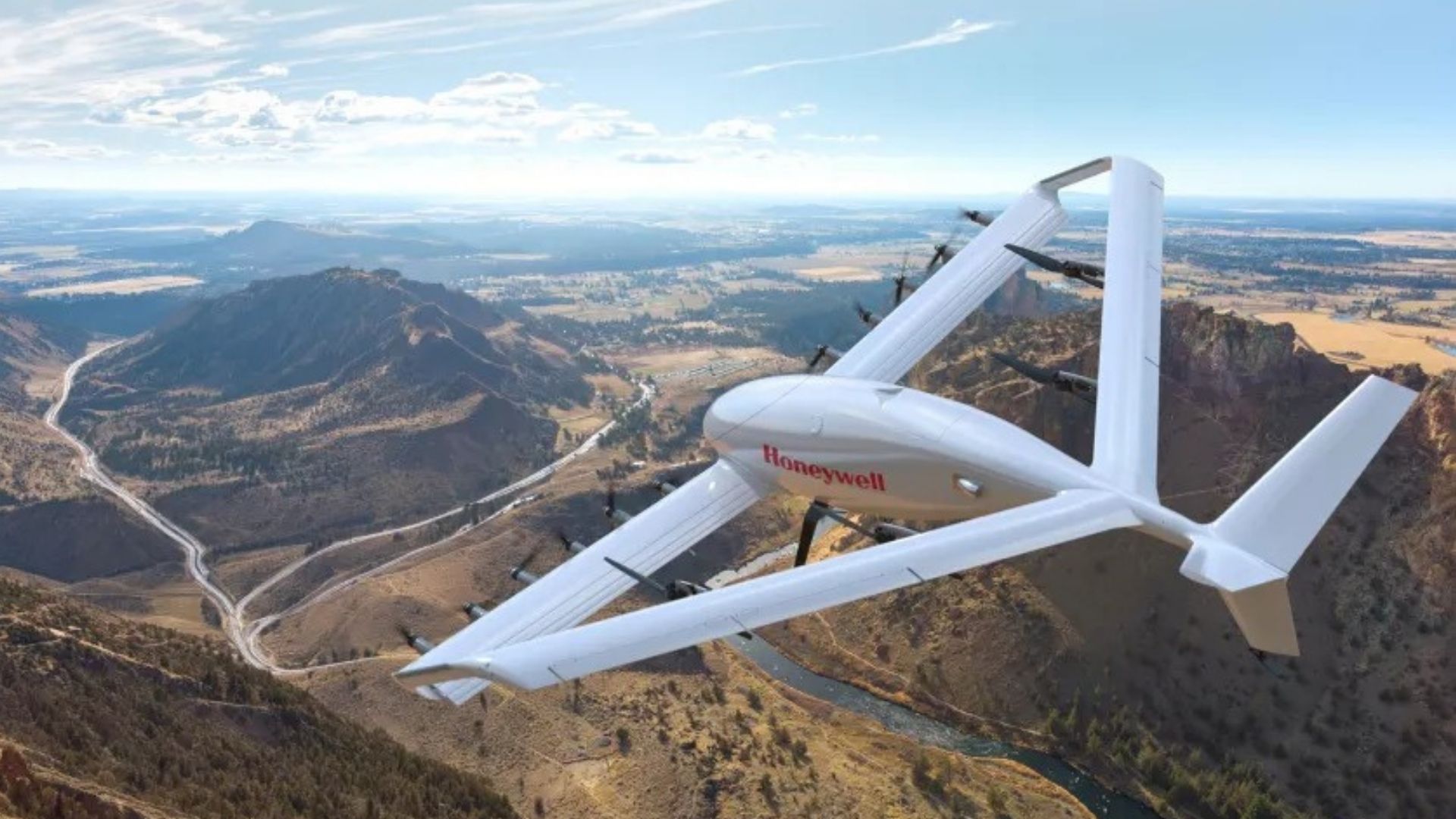
Honeywell Aerospace and Odys Aviation have integrated Honeywell’s SAMURAI counter‑UAS suite onto Odys’ Laila hybrid‑electric VTOL to create a persistent airborne counter‑drone layer. The combined Laila‑SAMURAI stack uses RF detection, electro‑optical sensors, beyond‑visual‑line‑of‑sight communications, AI‑driven target recognition, and both electronic and kinetic effectors to detect, track and neutralize hostile drones — including the option to employ interceptor drones. Integration work took more than a year; Laila’s long endurance (reported ~450‑mile range) and hybrid propulsion (Jet A compatible) aim to extend defensive coverage beyond ground systems and relieve pressure on higher‑tier missile defenses.
What happened
Honeywell Aerospace has adapted its modular counter‑UAS architecture, SAMURAI, for airborne deployment and integrated it with Odys Aviation’s Laila hybrid‑electric VTOL. The partners position the Laila‑SAMURAI combination as a persistent mid‑altitude defensive layer that detects, classifies, and neutralizes hostile small UAS before threats reach critical infrastructure or require missile‑level responses.
Technical context
SAMURAI is a layered C‑UAS stack combining radio‑frequency detection, electro‑optical/infrared sensors, beyond‑visual‑line‑of‑sight (BVLOS) comms, command‑and‑control, and both electronic and kinetic effectors; it can also orchestrate interceptor drones. Honeywell has reworked SAMURAI — originally fielded for fixed and mobile ground platforms — to operate from an airborne host. Odys’ Laila is a hybrid‑electric VTOL with extended range/endurance (coverage referenced at ~450 miles in partner briefings) and Jet A compatibility, enabling longer persistent sorties than typical multirotor UAS.
Key details
More than a year of integration effort adapted SAMURAI’s sensors, RF stack, and effectors for airborne vibration, power, cooling, and communications constraints. AI-based processing is central: Honeywell highlights machine learning models that distinguish drones from environmental clutter and assess threat intent from behavioral and flight characteristics. The architecture supports layered responses — electronic warfare (jamming, RF defeat), kinetic interceptors, or directed intercept drones — and is designed to feed into existing defense architectures rather than replace them. Matt Milas, President of Defense and Space at Honeywell Aerospace, framed SAMURAI as scalable and integrable across systems.
Why practitioners should care
This is an applied systems integration story with operational and engineering implications. For ML/algorithm engineers, airborne deployment imposes stricter latency, compute, and false‑positive tolerances for onboard AI compared with ground C‑UAS. For systems and integration engineers, the project surfaces challenges in power density, thermal management, BVLOS comms, and sensor fusion when moving a modular ground stack to a VTOL host. For operators and architects, an airborne mid‑tier layer changes engagement timelines and command‑and‑control flows, reducing reliance on high‑cost missile intercepts.
What to watch
Technical disclosures on onboard compute (edge TPU/GPUs), model architectures for low‑false‑alarm classification, communications/bandwidth solutions for BVLOS control, and demonstrated rules‑of‑engagement for autonomous effectors. Also watch test results validating end‑to‑end detection‑to‑intercept timelines and interoperability with allied C2 networks.
Key Points
- 1Airborne SAMURAI on Laila creates a persistent mid‑tier C‑UAS layer → detects threats earlier → reduces reliance on missile defenses and shortens engagement timelines.
- 2AI‑enabled target recognition is central → distinguishes drones from clutter and assesses behavior → reduces false positives under airborne sensor constraints.
- 3Moving a modular ground C‑UAS to VTOL requires systems tradeoffs → power, thermal, BVLOS comms, and edge compute become primary engineering challenges.
Scoring Rationale
This integration meaningfully affects C‑UAS deployment patterns and highlights practical ML and systems challenges for airborne AI inference and BVLOS operations. It's important for practitioners working on sensor fusion, edge AI, and defense architectures but not a foundational research breakthrough.
Sources
Public references used for this report.
View 5 more sources
- Honeywell Aerospace and Odys Aviation Create Airborne ...aerospace.honeywell.com
- Honeywell and Odys Develop Laila as Hybrid-electric Anti- ...ainonline.com
- Honeywell Aerospace and Odys Aviation Create Airborne ...gbp.com.sg
- Honeywell Aerospace and Odys Aviation Create Airborne ...uasvision.com
- Honeywell SAMURAI Counter-Drone System Integrated on ...helis.com
Practice interview problems based on real data
1,625 SQL & Python problems across 15 industry datasets — the exact type of data you work with.
Try 250 free problems