Koreeda Explores AI Grief in Sheep in the Box
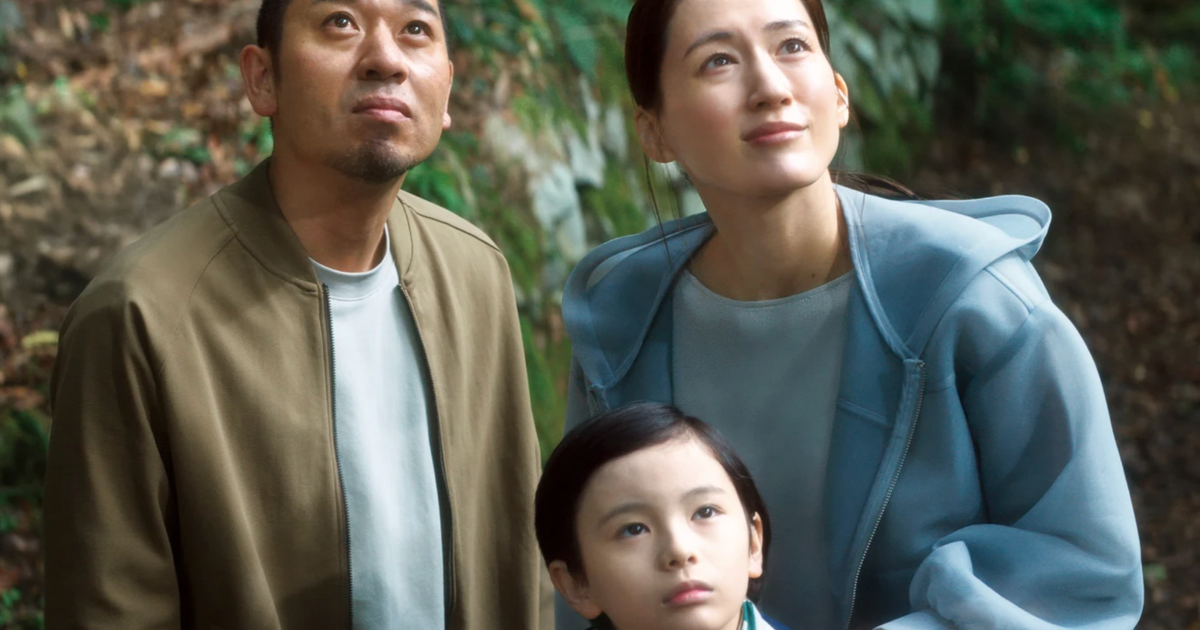
Hirokazu Koreeda's film Sheep in the Box premiered in competition at the Cannes Film Festival, presenting a near-future story in which parents receive a humanoid replica of their deceased seven-year-old son, according to Deadline and The Hollywood Reporter. The film stars Haruka Ayase, Daigo, and Rimu Kuwaki, and runs about 2 hours 6 minutes (The Hollywood Reporter). Critical response has been mixed: The Hollywood Reporter called it a "drippy human-AI drama," Deadline praised its dreamlike study of loss, and Time Out awarded 3 out of 5 stars while faulting its emotional flatness. Films that place generative-AI or humanoid replicas at the center of grief narratives commonly raise ethical and emotional questions but risk sentimentality when worldbuilding is muted.
What happened
Sheep in the Box, directed and written by Hirokazu Koreeda, premiered in the Cannes Film Festival competition, per The Hollywood Reporter and Deadline. The near-future drama follows Otone and Kensuke Komoto, played by Haruka Ayase and Daigo, who accept a complimentary rental of a humanoid replica of their late seven-year-old son Kakeru, portrayed by Rimu Kuwaki (Deadline; The Hollywood Reporter). The film runs approximately 2 hours 6 minutes (The Hollywood Reporter). A fictional company in the story is named REBirth; Deadline prints a line in which Kensuke disparages the firm, saying, "They're hyenas, cashing in on misfortune."
Technical details
Context and significance
Critics are divided on whether the film succeeds in interrogating AI-era grief. The Hollywood Reporter found the movie "Beautifully made but thematically woolly," criticizing its lack of emotional heft, while Deadline called it a "light yet somehow very profound study of grief," and dreamlike. Time Out gave the film 3 out of 5 stars, describing the treatment of its core themes as muffled. These reactions place the film in a set of contemporary cultural texts that treat AI as a narrative catalyst for human questions rather than a technical subject to be explained.
What to watch
For practitioners
Observers following cultural portrayals of AI should watch how mainstream auteurs frame replication technologies: whether they emphasize ethical framing, social dynamics, or psychological realism. Festival reception and distribution deals will indicate how widely these portrayals reach nontechnical audiences. Also watch responses to the film's depiction of commercial actors like REBirth, since such fictional companies shape public imaginaries about who profits from replication technologies.
Editorial analysis
The film depicts a humanoid child as a manufactured, adoptable product that functions as both a mirror and a narrative device. Industry-pattern observations: Storytelling that uses humanoid replicas or generative-AI doubles typically focuses on identity, continuity, and boundary problems between personhood and artifact. For practitioners, such depictions often emphasize behavioral cues, embodied interaction, and the design limits of anthropomorphic robotics rather than implementation specifics. Reviewers note Koreeda opts for naturalistic, human-centered staging rather than techno-philosophical exposition (The Hollywood Reporter; Time Out).
From a craft perspective, Koreeda returning to speculative material recalls his earlier work _After Life_ (1998). Industry-pattern observations: Filmmaking that blends humanist drama with speculative tech often trades deep technical interrogation for character work, which can broaden audience empathy but reduce engagement with implementation realities.
Key Points
- 1Cultural framing: Auteurs using humanoid replicas treat AI as a catalyst for human questions rather than a technical subject, shaping public perception.
- 2Critical split: Reviews praise performances and mood but criticize thematic thinness, showing narrative restraint can polarize reception of AI-centered stories.
- 3Practitioner takeaway: Accurate, nuanced portrayals of embodied AI require balancing human drama with credible technical texture to inform public understanding.
Scoring Rationale
The story is culturally interesting to practitioners because it shapes public narratives about AI and embodiment, but it does not present new technical developments or research findings. The mixed critical reception reduces its immediate influence on technical practice.
Sources
Public references used for this report.
View 4 more sources
- ‘Sheep In The Box’ Review: Hirokazu Koreeda's Fairytale Study Of Lossdeadline.com
- Cannes review: Hirokazu Koreeda's 'Sheep in the Box' is ... - Time Outtimeout.com
- 'Sheep in a Box' Review: Koreeda's Take on the AI-ification of ...awardswatch.com
- Sheep in the Box | 2026 Cannes Film Festival Review - Ion Cinemaioncinema.com
Practice interview problems based on real data
1,625 SQL & Python problems across 15 industry datasets — the exact type of data you work with.
Try 250 free problems