Jury Rejects Musk Lawsuit, Clears OpenAI IPO Path
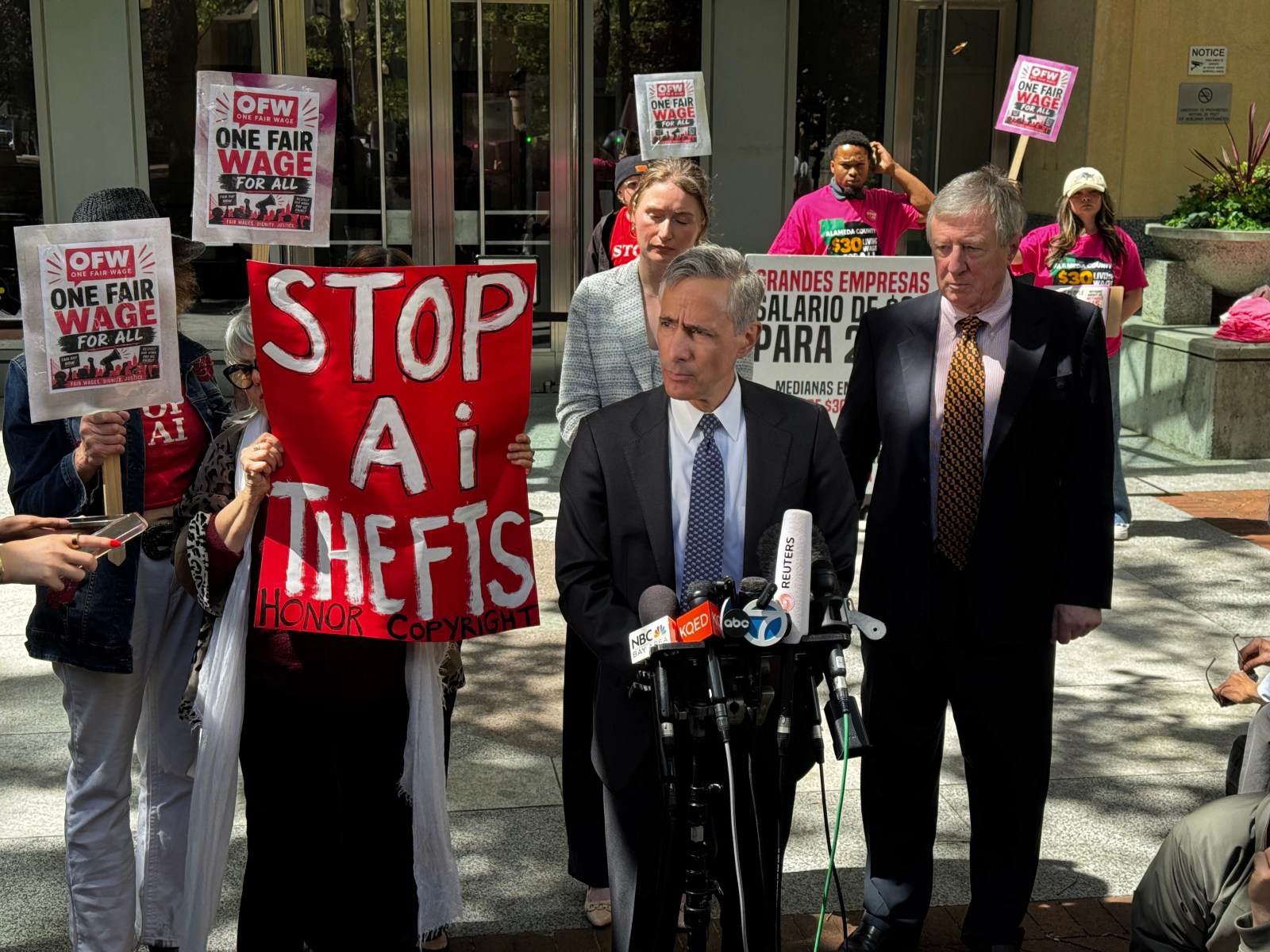
A federal jury in Oakland unanimously found that Elon Musk filed his suit against OpenAI too late, tossing all claims after less than two hours of deliberation, Reuters and The New York Times report. Judge Yvonne Gonzalez Rogers then dismissed the case, NPR reports. The verdict removes a major legal obstacle that multiple outlets say could simplify the path for a possible OpenAI initial public offering; Reuters reported the decision could smooth a path toward an IPO that some coverage values as high as $1 trillion, while AP and The New York Times cited published valuations of $852 billion and $730 billion, respectively. Reporting by Reuters, NPR and CNBC also notes Musk indicated he will appeal and posted critical messages on X; NPR quoted a Musk attorney saying, "This one is not over."
What happened
A nine-member jury in Oakland, California, unanimously found that Elon Musk filed his lawsuit against OpenAI and its executives after the statute of limitations had expired, Reuters and The New York Times report. The jury deliberated for less than two hours, according to Reuters and The New York Times. U.S. District Judge Yvonne Gonzalez Rogers followed the verdict by dismissing the claims, NPR reports. Multiple outlets, including Reuters and The New York Times, characterize the three-week trial as high profile and consequential for the future of OpenAI.
Legal aftermath
Reuters reports Elon Musk posted on X repeating allegations that Sam Altman and Greg Brockman "did in fact enrich themselves by stealing a charity," and Reuters and CNBC report Musk said he will appeal. NPR quoted Marc Toberoff, an attorney for Musk, saying, "This one is not over." William Savitt, lead trial lawyer for OpenAI, told reporters in front of the court, "We're pleased that the jury reached the right result and reached it quickly," NPR reports.
Technical details
Editorial analysis - technical context
The trial did not adjudicate technical claims about model capabilities or safety; it focused on corporate governance and charitable-trust allegations tied to OpenAI's transition from a nonprofit to a commercial company, as described in reporting by The New York Times and Reuters. For practitioners, the case outcome does not change the technical capabilities or APIs that engineers already rely on, but it does affect the legal and financial context in which platform and API policy decisions are made.
Context and significance
Multiple outlets place the verdict in the context of a likely public offering for OpenAI. Reuters reports the verdict "simplifies the path" for a possible IPO that some coverage values as high as $1 trillion; the Associated Press cited a valuation of $852 billion, and The New York Times cited $730 billion. Industry reporting frames the trial as having exposed tensions among founding figures and as creating reputational questions around top executives, with Reuters noting several witnesses described Sam Altman negatively during testimony.
Observed patterns in similar disputes
Observed patterns in similar transitions: Public legal battles over governance frequently slow or complicate large fundraising and market exits even after a favorable verdict. Practitioners who track vendor risk and procurement note that litigation publicity can increase due diligence timelines for enterprise customers and potential partners, based on analogous cases reported in technology M&A coverage.
What to watch
For practitioners
Monitor filings and public comments for any announced timelines or regulatory disclosures tied to fundraising or an IPO; Reuters and CNBC highlight appeal intent from Musk that could prolong litigation. Also watch enterprise procurement notices and vendor-risk signals from major customers, especially Microsoft, which has been reported as a major investor in OpenAI by The New York Times and Reuters; those customers may reassess contractual terms or public communications in light of the trial's publicity.
Bottom line
Industry context
The jury verdict removes a near-term legal blockade reported across major outlets, but the trial's testimony and public exchanges have created reputational noise that industry observers will continue to track as part of OpenAI's path to public markets and partner negotiations.
Key Points
- 1Jury dismissed Musk's claims on statute-of-limitations grounds, clearing a legal obstacle that Reuters says could ease a potential OpenAI IPO.
- 2High-profile testimony hurt executive reputations, increasing scrutiny from customers and partners despite the legal victory, per Reuters reporting.
- 3Industry observers expect extended legal and commercial fallout to affect due diligence and vendor-risk timelines for enterprises evaluating OpenAI.
Scoring Rationale
The ruling removes a major legal uncertainty that multiple outlets link to OpenAI's path to a potential IPO, making this a notable business and market-development story for AI practitioners and vendors. The score reflects substantial commercial importance without a direct technical or research shift.
Sources
Public references used for this report.
View 8 more sources
- Jury Rejects Musk’s Claims Against OpenAIwsj.com
- Jury throws out Elon Musk’s lawsuit against OpenAI and Sam Altman in less than two hoursnbcnews.com
- Musk slams Altman trial verdict as a 'technicality,' vows to appealcnbc.com
- Jury dismisses all claims in Elon Musk’s lawsuit against OpenAI CEO Sam Altmannpr.org
- Court dismisses Elon Musk's case against Sam Altman and OpenAIabcnews.com
- Musk loses OpenAI court battle as he waited too long to sue - BBCbbc.com
- Elon Musk loses US lawsuit against OpenAIaljazeera.com
- Musk v. Altman et al - Law360law360.com
Practice interview problems based on real data
1,625 SQL & Python problems across 15 industry datasets — the exact type of data you work with.
Try 250 free problems