JetBlue Faces Class Action Over Surveillance Pricing
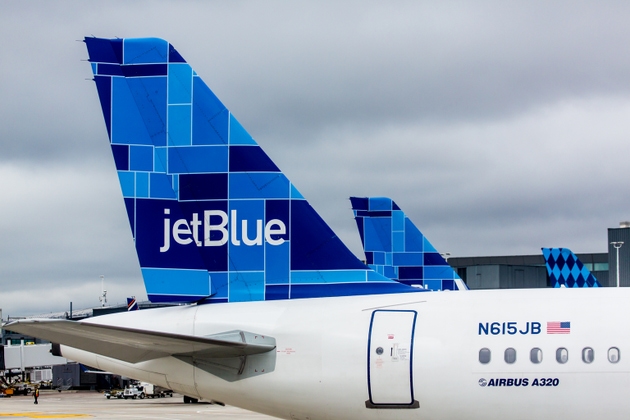
JetBlue is facing a proposed class action in Brooklyn federal court alleging the airline uses customers' browsing data and third-party trackers to raise ticket prices in real time. The suit follows a viral April 18 social media exchange in which a customer reported a $230 fare increase and a JetBlue reply suggested clearing cookies or using an incognito window. The plaintiff, Andrew Phillips, says JetBlue conceals tracking technology and shares data with third parties that influence pricing algorithms. JetBlue denies using personal data or AI to set fares and says prices reflect seat inventory and demand. The case has drawn congressional questions and touches on growing regulatory scrutiny of so-called "surveillance pricing."
What happened
JetBlue is the defendant in a proposed class action filed in Brooklyn federal court alleging the airline uses customer browsing data, trackers, and third-party programs to dynamically raise ticket prices. The complaint was filed after an April 18 exchange on X where a passenger reported a $230 price jump and JetBlue's social account recommended clearing cache and cookies or booking in an incognito window. The plaintiff, Andrew Phillips, argues the carrier "manipulate[s] prices in real time" using personal data without notice or consent.
Technical details
The complaint alleges JetBlue's website and digital interfaces deploy tracking technologies that collect browsing behavior, location, and other personal information. It claims JetBlue shares that data with third parties whose algorithms inform pricing decisions, producing individualized or time-sensitive fare changes. JetBlue has publicly stated, "JetBlue does not use personal information or web browsing history to set individual pricing," and that fares are driven by seat inventory and demand, not cached data.
Alleged methods and vectors
- •Use of cookies and cross-site trackers to monitor repeated searches and re-engagement
- •Data sharing with third-party analytics, ad-tech, and pricing vendors whose models could feed dynamic-price signals
- •Social-media guidance to clear cache or use incognito, which triggered scrutiny and became a focal point of the complaint
Context and precedent
Surveillance pricing, the practice of tailoring prices using personal data, has been under regulatory scrutiny since 2024. The Federal Trade Commission previously examined retail surveillance pricing and flagged disclosure and consent shortfalls. Lawmakers have already queried JetBlue and other carriers about generative AI and data use in pricing. This suit arrives amid heightened consumer privacy attention, expanding congressional oversight, and potential rulemaking on algorithmic pricing transparency.
Why it matters For practitioners, the case highlights three operational risks: legal exposure from undisclosed tracking, reputational risk when customer-facing staff or social accounts provide inconsistent messaging, and regulatory risk if agencies impose stricter disclosure or consent requirements for algorithmic pricing. Vendors that supply analytics, ad-tech, or price-optimization models to airlines could be pulled into discovery, increasing compliance and contractual diligence burdens.
Potential downstream impacts If plaintiffs prevail or regulators act, companies may need to adopt stronger notice-and-consent flows, explicit opt-out mechanisms for personalized pricing, and audit trails demonstrating that pricing decisions are not based on personally identifiable browsing signals. Airlines may also re-evaluate social media guidance and frontline staff training to avoid operational slips that imply profiling.
What to watch
Courts will test whether routine inventory-driven fare volatility can be distinguished from individualized "surveillance pricing," and whether data-sharing contracts create liability. Watch for responses to congressional questions, FTC interest, and any vendor subpoenas that clarify which tracking stacks airlines use.
Bottom line
The JetBlue suit is a practical test case for how privacy law, ad-tech data flows, and automated pricing intersect in travel commerce. Data teams, legal, and product groups should inventory tracking technologies, map downstream pricing inputs, and prepare documentation that differentiates standard yield management from personalized pricing based on personal data.
Key Points
- 1Plaintiff claims JetBlue used browsing data and trackers to raise fares, spotlighting legal risk from undisclosed data-driven pricing.
- 2JetBlue denies using personal data for pricing, but a social reply telling a customer to clear cookies amplified scrutiny and regulatory interest.
- 3Outcome will shape disclosure, vendor due diligence, and how airlines separate inventory-driven yield management from personalized surveillance pricing.
Scoring Rationale
The lawsuit is a notable privacy and regulatory development with practical implications for data governance and vendor risk in travel and e-commerce. It is not a paradigm shift, but it could prompt tighter disclosure rules and compliance work across industries.
Sources
Public references used for this report.
View 9 more sources
- JetBlue sued over claims it uses customers’ personal data to set ticket pricestheguardian.com
- JetBlue accused of using personal data to set ticket prices in new lawsuitthehill.com
- JetBlue lawsuit: Airline sued over 'surveillance pricing' claims: Reportfox26houston.com
- JetBlue Faces Class Action Lawsuit Over Allegedly Raising Ticket Prices Based on Customers’ Personal Datapeople.com
- JetBlue Sued for Allegedly Increasing the Price of Tickets Based on Personal Datagizmodo.com
- JetBlue accused of using 'surveillance pricing' to charge some ...independent.co.uk
- JetBlue sued for alleged surveillance pricing - Morning Brewmorningbrew.com
- Lawsuit accuses JetBlue of using customers' personal data to raise air faresaol.com
- JetBlue Airways Stock (JBLU) Climbs Despite ‘Digital Rat Race’ Ticket Pricing Claimstipranks.com
Practice interview problems based on real data
1,625 SQL & Python problems across 15 industry datasets — the exact type of data you work with.
Try 250 free problems