Jeff Bridges Demonstrates Suno AI Music Generator
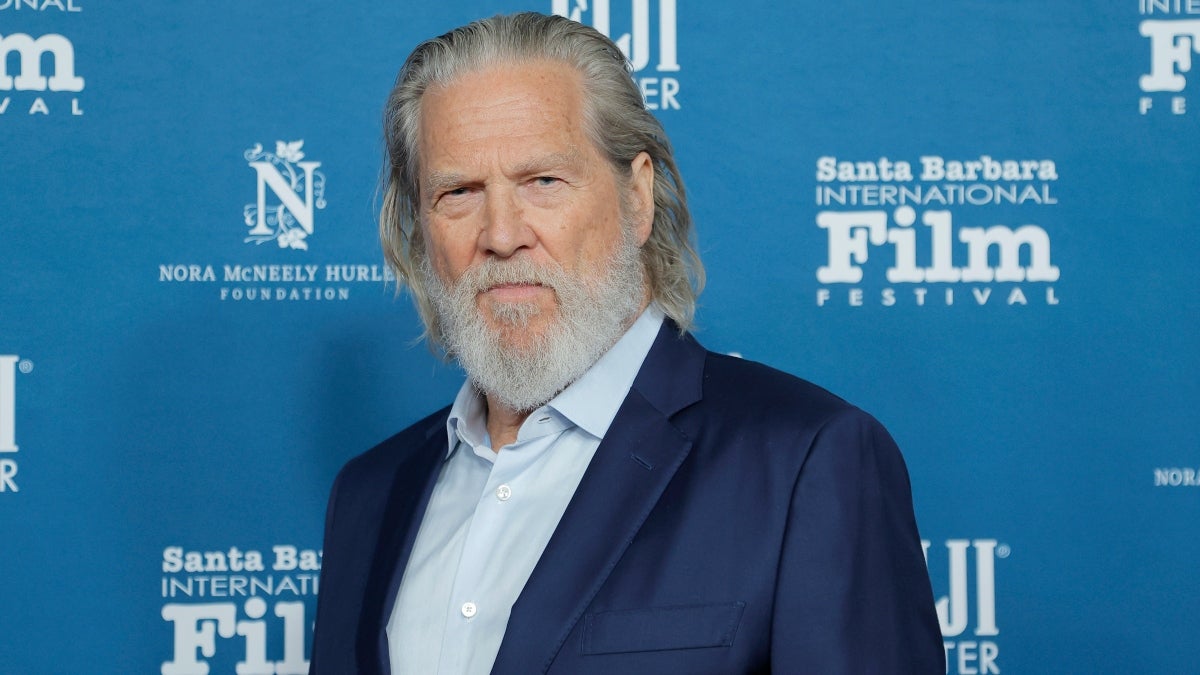
Suno's commercial trajectory provides essential context for Jeff Bridges' podcast moment: the AI music platform raised $400 million in a June 2026 Series D at a $5.4 billion valuation, reported two million paid subscribers and over seven million songs generated daily, and locked in a November 2025 licensing deal with Warner Music Group that settled WMG's $500 million copyright lawsuit. On Theo Von's "This Past Weekend" podcast, Bridges demonstrated Suno creating a full song - vocals, instruments, arrangement - from prompts. He called the technology "very frightening" while noting, per TheWrap, that Nashville musicians are bypassing $10,000 studio sessions: "All the guys in Nashville are using it now...they can do this for nothing, man." The celebrity clip is a mainstream visibility signal for a platform that has already found commercial product-market fit.
Commercial scale first
The Bridges-Von podcast clip matters as a visibility signal, not a product announcement. Suno raised $400 million in a June 2026 Series D at a $5.4 billion valuation, more than doubling its $2.45 billion valuation from November 2025, per Variety and the Hollywood Reporter. The company had already reported two million paid subscribers generating over seven million songs per day, with $300 million in annual recurring revenue by early 2026. The celebrity moment reflects a platform that has crossed from novelty into consumer-scale adoption.
The podcast demonstration
On Theo Von's "This Past Weekend," Jeff Bridges walked through Suno's prompt-to-song pipeline - submitting an input and watching the system orchestrate arrangement and synthesize vocals - and played a completed track. He called the technology "very frightening" while contextualizing what practitioner adoption actually looks like: "All the guys in Nashville are using it now instead of going into the studio and paying, you know, $10,000, they can do this for nothing, man." Bridges framed the ambivalence directly: "AI is, it's frightening, man...but it's an amalgamation of all our wisdom, our soul, our things."
Legal and commercial framework
Warner Music Group settled its $500 million copyright lawsuit against Suno in November 2025, signing a licensing agreement TechCrunch reports will result in more advanced, licensed models to replace Suno's current catalog, WMG artist control over name, voice, and likeness usage in AI-generated tracks, and platform changes including paid-only audio downloads. WMG CEO Robert Kyncl stated in the press release: "This landmark pact with Suno is a victory for the creative community that benefits everyone." WMG also transferred Songkick, its concert-discovery platform, to Suno. Universal Music Group and Sony Music filed separate lawsuits against Suno and Udio; those remain ongoing.
Practitioner implications
Nashville professional use for demos follows a pattern seen across AI creative tools: cost-reduction in high-iteration, high-cost creative workflows comes first. For practitioners, the more load-bearing signal is how the WMG licensing deal is being structured - artist controls over voice and likeness will likely become the template for subsequent label agreements with UMG and Sony, which in turn sets the commercial framework for building applications on top of licensed AI audio models.
What to watch
UMG and Sony litigation outcomes will determine whether the WMG licensing template becomes industry standard or a one-off. Suno's new licensed model releases in 2026 will test whether licensed training materially changes output quality or creative range.
Key Points
- 1Suno's June 2026 Series D at $5.4 billion valuation and $300M ARR confirm AI music has achieved commercial product-market fit, not just viral demos.
- 2Bridges' account of Nashville musicians replacing $10,000 studio sessions mirrors industry-wide reports of professional AI adoption in high-cost creative workflows.
- 3Warner Music Group's November 2025 licensing deal - settling its $500M lawsuit - sets the artist-control and licensing template ahead of pending UMG and Sony cases.
Scoring Rationale
Celebrity demonstration on a major podcast registers as a mainstream visibility signal for an AI music platform already operating at commercial scale ($5.4B valuation, $300M ARR, 2M paid subscribers). Story lacks a new technical release or benchmark but adds practitioner-relevant context on Nashville professional adoption and the WMG licensing framework.
Sources
Public references used for this report.
Practice interview problems based on real data
1,625 SQL & Python problems across 15 industry datasets — the exact type of data you work with.
Try 250 free problems