Jack Osbourne Defends AI Avatar of Ozzy Osbourne
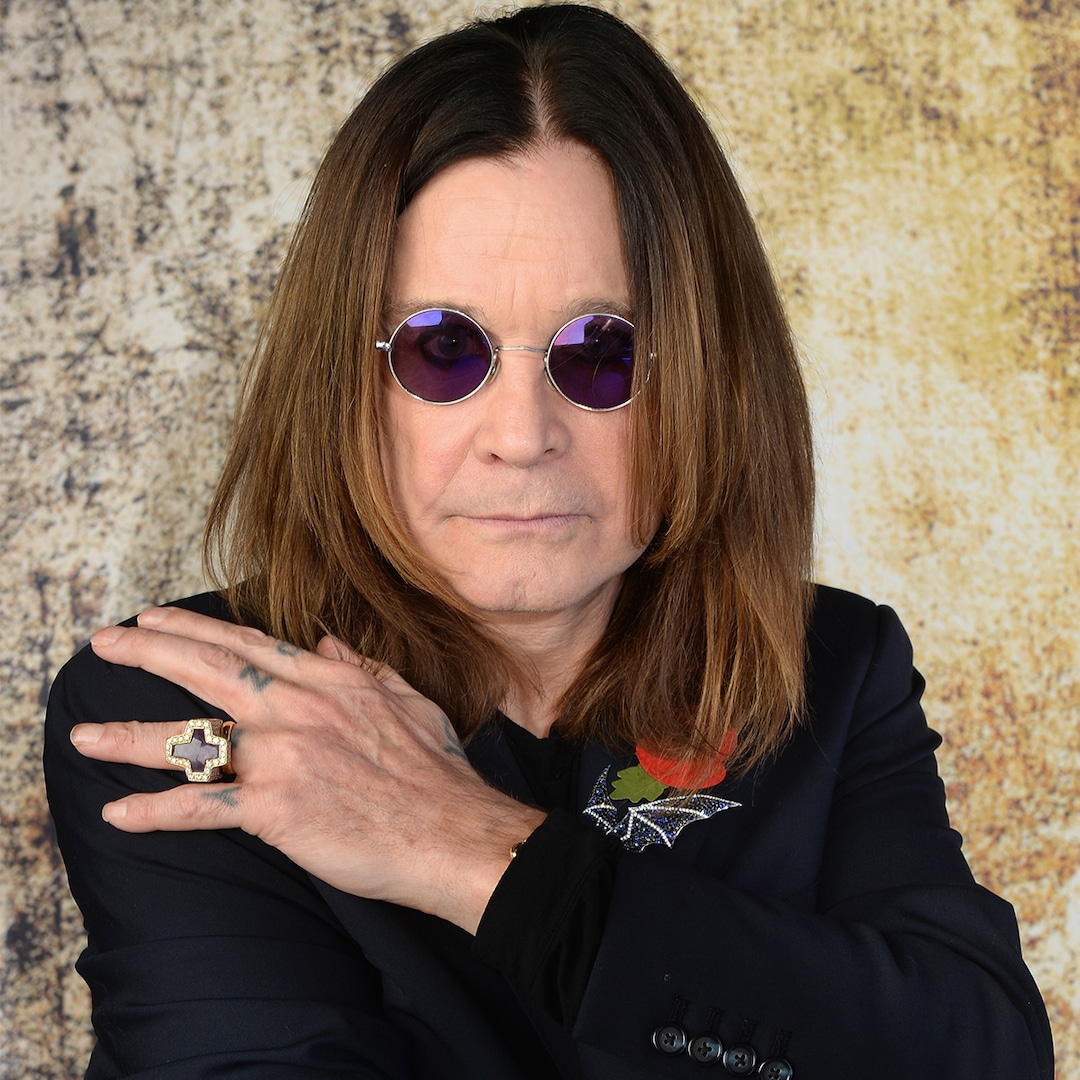
Jack Osbourne and Sharon Osbourne announced an AI-powered, life-sized avatar of the late rocker Ozzy Osbourne at the Licensing Expo in Las Vegas, with tech partners named as Hyperreal and Proto Hologram, reporting by The Guardian, Billboard, People, and BBC shows. Jack defended the project during a May 22 livestream and at public events, saying, "Here's the thing, it's gonna be so tasteful what we're doing. It's not gonna be f-king lame," and that "this isn't just like hooking up an image of my dad to ChatGPT," per People and E! Online. Hyperreal told Billboard the avatar will begin appearing on interactive touchscreens in the U.S. and U.K. beginning in late summer 2026. Fans posted critical responses online expressing concerns about commercialization and respect for Ozzy's memory. This is a high-profile example of AI-driven celebrity digitization that raises rights, consent, and commercialisation questions practitioners will follow.
What happened
Jack Osbourne and Sharon Osbourne announced at the Licensing Expo in Las Vegas that a life-sized, AI-powered avatar of the late Black Sabbath frontman Ozzy Osbourne is in development, according to reporting in People, Billboard, and The Guardian. The family has partnered with digital-human companies Hyperreal and Proto Hologram, per The Guardian and BBC. Jack publicly defended the project during a May 22 livestream, saying, "Here's the thing, it's gonna be so tasteful what we're doing. It's not gonna be f-king lame," and adding, "this isn't just like hooking up an image of my dad to ChatGPT," as quoted in People and E! Online. Hyperreal told Billboard the avatar "will begin appearing in life-sized, interactive touchscreens in the U.S. and U.K. beginning in late summer 2026." The Guardian and Billboard report that the announcement generated social-media backlash from fans who called the idea disrespectful or overly commercial. BBC coverage notes Sharon Osbourne has seen early tests and said the avatar can "have conversations with fans and move, speak, and respond as Ozzy would," and that she hopes it will appear first in Birmingham.
Editorial analysis - technical context
The public descriptions, interactive, conversational, and hyper-real visual fidelity, align with current digital-human stacks that combine generative audio models, large multimodal models for facial animation, and volumetric or holographic rendering engines. Industry-pattern observations: companies building celebrity avatars typically integrate curated archival media, consented source material, and controllable response templates to limit hallucination and likeness misuse. Public-facing claims of "authenticated, approved source material" echo statements attributed to Hyperreal's leadership in The Guardian.
Context and significance
For practitioners, this announcement sits at the intersection of applied generative models and experiential entertainment. Industry context: similar projects have accelerated demand for scalable datasets, alignment techniques to preserve persona-consistent responses, and safety layers that prevent offensive or out-of-character outputs. Editorial analysis: the visible backlash demonstrates how consumer trust and perceived respect for legacy content are critical variables in adoption for entertainment-focused AI products.
What to watch
Observers should track:
- •technical disclosures from Hyperreal or Proto Hologram about their model pipelines and safety controls
- •licensing and rights statements from Ozzy Osbourne's estate or commercial partners
- •regulatory or platform policy responses if the avatar is used in advertising or paid experiences. Industry context: practitioners will also monitor whether the deployment uses real-time on-device inference or cloud-rendering, as that affects latency, cost, and privacy surface area
Reported background detail
Ozzy Osbourne died in July 2025 at age 76, as noted in BBC and Billboard coverage, and Jack has said conversations about a digital version occurred before Ozzy's death, according to People and BBC. Hyperreal's chief executive was quoted in The Guardian saying the avatar "was built exclusively from authenticated, approved source material: curated, consented, and controlled by the people who love him most." The Guardian also reported that the companies described the avatar as able to "have conversations with fans and move, speak, and respond as Ozzy would."
For practitioners
Editorial analysis: this case highlights recurring engineering needs for celebrity avatars, robust dataset provenance, persona-aligned response filters, and transparent consent documentation, as well as commercial questions about monetization versus legacy stewardship that affect product design choices.
Key Points
- 1Family announced an AI-powered Ozzy avatar with Hyperreal and Proto Hologram, producing an interactive, life-sized digital experience for fans.
- 2Jack Osbourne defended the project with direct quotes emphasizing fidelity and complexity, fueling public debate over commercialization and respect.
- 3Industry observers will trace technical disclosures, licensing details, and safety controls as test cases for celebrity-avatar best practices.
Scoring Rationale
This is a notable, high-profile deployment of digital-human technology with practical implications for dataset provenance, persona alignment, and rights management. It is not a frontier-model release but it will shape standards for celebrity avatar production.
Sources
Public references used for this report.
View 13 more sources
- Jack Osbourne Responds to Backlash Over AI-Powered Digital Avatar of Ozzy Osbournebillboard.com
- Ozzy Osbourne’s Family Is Resurrecting Him As An AI Hologramforbes.com
- Jack Osbourne responds to fan backlash over Ozzy Osbourne interactive avatar: “He would be into this”nme.com
- Ozzy Osbourne to Return as an AI-Powered Digital Avatar - Threadsthreads.com
- Ozzy Osbourne's Son Defends AI Avatar After Fan Backlash - WIBCwibc.com
- JACK OSBOURNE Says OZZY 'Would Be Into' The Idea Of A.I. Avatar: 'It's Gonna Be So Tasteful What We're Doing'blabbermouth.net
- AI-powered version of Ozzy Osbourne could make its first UK appearance in Birminghambbc.co.uk
- OZZY OSBOURNE's Likeness To Be Used As New A.I. Avatarmetalinjection.net
- "I know he would be into this." Jack Osbourne responds to criticism of Ozzy AI avatar planloudersound.com
- AI Ozzy Osbourne Avatar Will Be Able to Talk to Fans ... - Rolling Stonerollingstone.com
- Sharon Osbourne to release an AI avatar of the late Ozzy ... - KRCRkrcrtv.com
- JACK OSBOURNE Says OZZY 'Would Be Into' The Idea Of A.I. Avatarultimatemetal.com
- Ozzy Osbourne to Return as an AI-Powered Digital Avatar: 'This Is a ...music.amazon.com
Practice interview problems based on real data
1,625 SQL & Python problems across 15 industry datasets — the exact type of data you work with.
Try 250 free problems