IRCTC Deploys AI Monitoring Across Kitchen Network

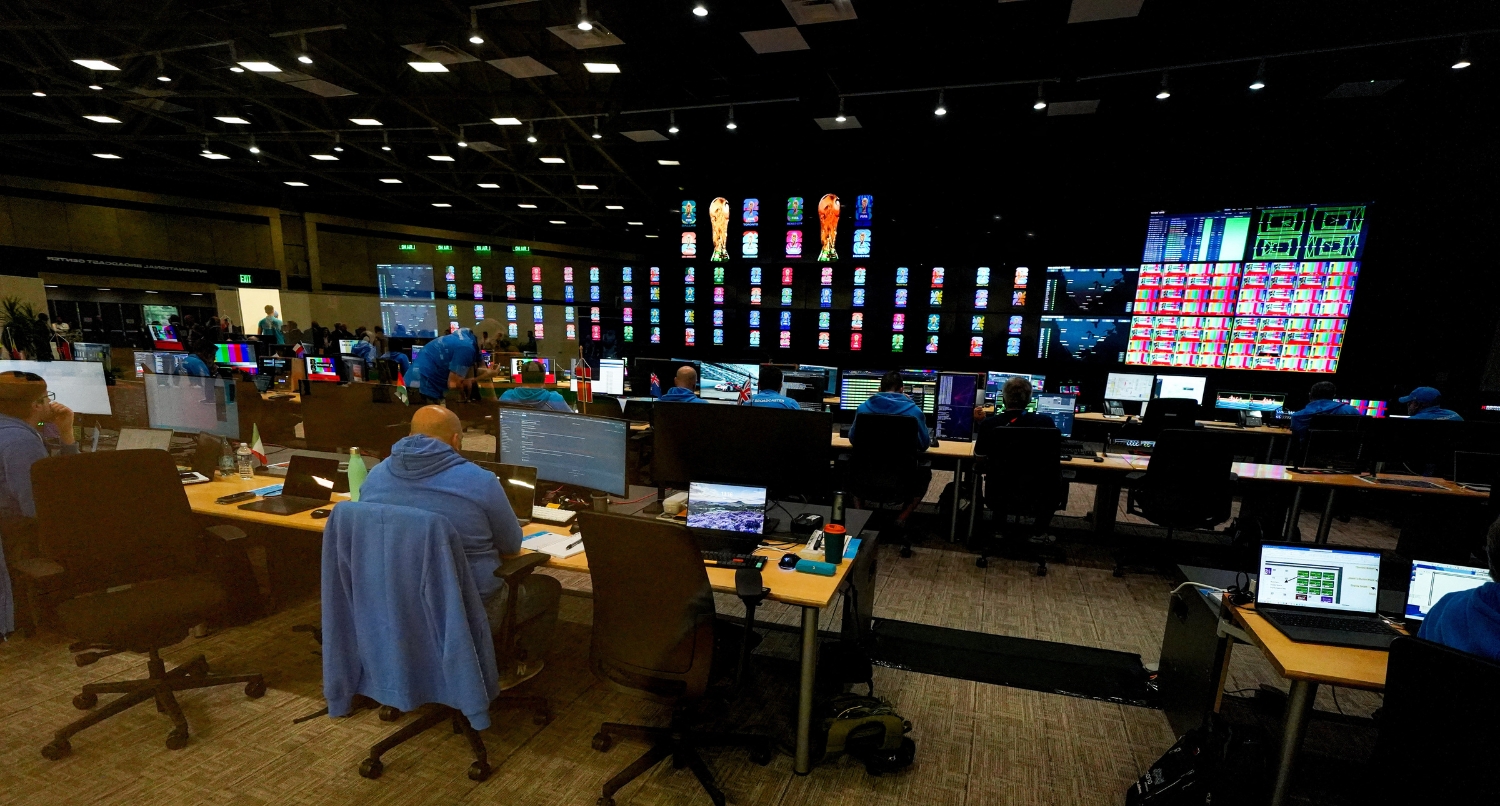
Indian Railway Catering and Tourism Corporation (IRCTC) has expanded an AI-based camera monitoring system to more than 800 kitchens, using 2,394 cameras, according to reporting by Indian Express, NDTV and Business Standard. The system flags nine categories of hygiene lapses, including hairnet and transparent-glove noncompliance, mopping and wiping, and presence of rodents, flies and cockroaches, and generates roughly 350 alerts per day; sources report 13,550 alerts in the last month with regional counts listed by NDTV and Indian Express. The feeds are monitored from a central "war room" in New Delhi, and reporting attributes the war room and its dashboard to IRCTC leadership as part of efforts to enable faster escalation and corrective action.
What happened
Indian Railway Catering and Tourism Corporation (IRCTC) has rolled out an AI-enabled camera monitoring system in over 800 kitchens, linked to 2,394 cameras, according to Indian Express, NDTV and Business Standard. The system detects nine categories of hygiene issues, including hairnet compliance, transparent gloves detection, mopping and wiping activity, and the presence of rodents, flies and cockroaches, per Indian Express and NDTV. Reporting states the setup generates about 350 alerts per day, and recorded 13,550 tickets in one recent month with regional breakdowns published by NDTV and Indian Express. The feeds are observed from a central "war room" in New Delhi, which Business Standard reports is intended to support predictive interventions and 24/7 monitoring on a single dashboard.
Technical details
Indian Express and NDTV report the AI integration can detect insects as small as 7-8 mm and sends immediate alerts to the kitchen manager; unresolved issues are escalated and, according to the sources, action is taken within about two hours. Business Standard reports the war room operates with rotating teams and consolidated live feeds. None of the sources disclose the vendor, model architecture, training datasets, or false-positive / false-negative rates for the detection models.
Industry context
Editorial analysis: Deployments that combine distributed camera networks with edge or cloud-based computer vision are increasingly used for operational compliance in food service and logistics. Such systems typically trade straightforward rule-based detection (hairnet on/off, visible pests, surface cleaning activity) for high coverage and continuous monitoring, while raising typical engineering needs around annotation, model drift, and edge inference latency.
Impact and scale
Indian Express and NDTV note IRCTC served about 60 crore meals in 2025-26, providing context for why scale matters in catching routine hygiene lapses across many kitchens. Editorial analysis: For practitioners, scaling vision monitoring to thousands of cameras and hundreds of sites usually requires streamlining data pipelines, implementing lightweight on-device models or efficient streaming inference, and building clear escalation workflows so alerts translate into measurable operational improvements rather than alert fatigue.
What to watch
Industry context: Observers will likely track whether IRCTC or independent audits publish accuracy metrics, complaint-rate trends, or reduction in food-safety incidents attributable to the system. Other indicators include disclosure of the system vendor or tech stack, privacy and data-retention policies for kitchen footage, and any pilot results showing sustained reductions in specific violation categories.
Limitations in reporting
The cited articles do not provide technical validation metrics, the identity of AI vendors, or details on data governance and privacy. Indian Express, NDTV and Business Standard supply operational figures and qualitative descriptions but no vendor or model-level disclosures. Editorial analysis: That omission is common in early-stage public deployments; practitioners evaluating similar projects should request explicit performance data and retention/policy documents before drawing conclusions about efficacy.
Key Points
- 1Large-scale camera plus AI monitoring lets operators detect simple hygiene lapses at scale, improving operational visibility across distributed kitchens.
- 2High alert volumes, roughly 350 daily, shift the challenge from detection to triage and escalation, requiring precise models and clear workflow integration.
- 3Public deployments often omit vendor and accuracy details, so practitioners should expect requests for performance metrics and data-governance controls in comparable projects.
Scoring Rationale
A real large-scale operational deployment of computer vision for food-safety monitoring in public-sector rail catering. Solid and practically relevant for operational AI practitioners, but India-specific and not technically novel as an ML story.
Sources
Public references used for this report.
Practice interview problems based on real data
1,625 SQL & Python problems across 15 industry datasets — the exact type of data you work with.
Try 250 free problems