IQM Automates Quantum Calibration Using NVIDIA Ising
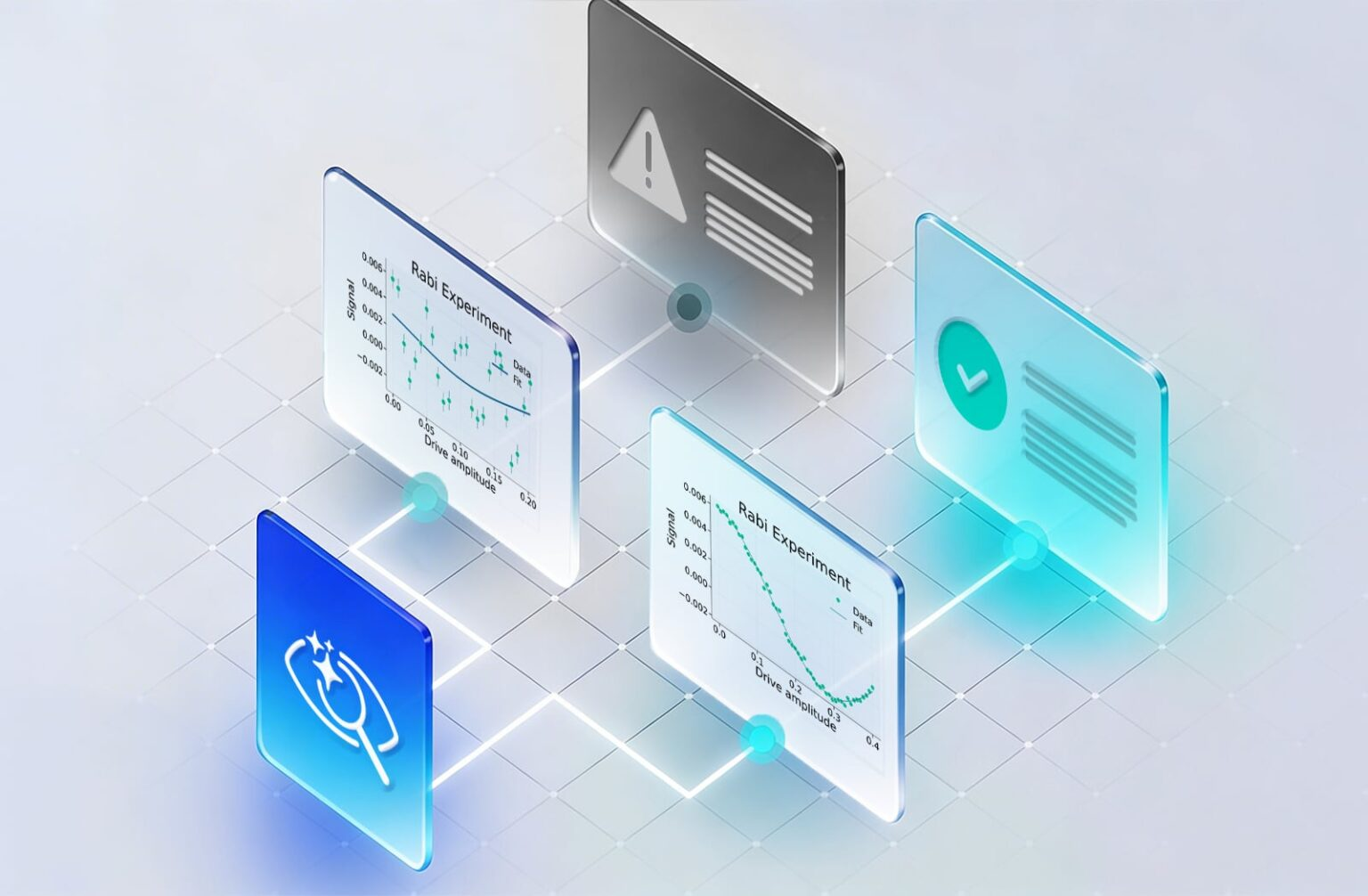
IQM Quantum Computers announced an AI-driven agentic calibration system that automates tuning of superconducting quantum processors using NVIDIA Ising. The approach replaces sequential, manual calibration with parallel visual AI agents that inspect measurement plots and adjust hardware parameters across multiple QPUs in real time. By fine-tuning NVIDIA Ising models for quantum tasks and embedding agents into IQM's calibration pipeline, the system targets operational deployment in HPC data centers and AI factories, reducing the need for scarce on-site quantum engineering expertise. The automation aims to keep fidelity high at scale and make enterprise ownership of quantum hardware practical rather than experimental.
What happened
IQM Quantum Computers announced AI-driven agentic calibration built on `NVIDIA Ising` models to automate tuning of superconducting `QPUs`, aiming to remove sequential manual bottlenecks and enable enterprise-scale ownership. The company unveiled parallel visual agents that inspect calibration outputs across qubits simultaneously, enabling real-time hardware-parameter adjustments and consistent high-fidelity operation across larger processors.
Technical details
IQM fine-tuned `NVIDIA Ising` open models for quantum calibration tasks and integrated them into its existing calibration infrastructure and NVIDIA-compatible hardware interconnect. The key innovation is parallelism: instead of sequentially tuning individual qubits and interactions, the system applies multiple agentic inspectors at each calibration stage to handle the non-linear growth of qubit interaction channels as systems scale. Important technical points practitioners should note:
- •The system targets superconducting processors and operates on measurement-plot interpretation, mapping diagnostics to low-level control-parameter updates in real time.
- •Agents run as part of an integrated pipeline tied to IQM's hybrid software platform, shifting closed-loop calibration from human operators to automated agents.
- •Fine-tuning of NVIDIA Ising models focuses on pattern recognition in noisy calibration data and policy inference for parameter adjustments, not on replacing classical control hardware.
Context and significance
Calibration is a persistent operational barrier to moving quantum hardware out of labs and into HPC data centers and AI factories. Automating calibration addresses two structural constraints: the non-linear scaling of calibration complexity with qubit count, and the global scarcity of quantum engineering talent. By embedding NVIDIA Ising-based agents into production calibration flows, IQM aims to let organizations own and operate QPUs without constant on-site specialist intervention, accelerating practical hybrid classical-quantum deployments.
What to watch
Validate claims with independent metrics: calibration time reduction, gate fidelity and stability across scale, and robustness to hardware drift and atypical failure modes. Also watch enterprise pilot deployments and how IQM measures integration overhead with existing HPC environments and NVIDIA stacks.
Key Points
- 1IQM uses fine-tuned NVIDIA Ising agents to parallelize calibration, solving sequential bottlenecks that block scale-up.
- 2Automated, visual agent inspection shifts operational burden from scarce quantum engineers to software, lowering TCO for owned QPUs.
- 3Success hinges on measured fidelity, calibration speed gains, and robustness to hardware drift during enterprise pilots.
Scoring Rationale
This is a notable infrastructure advance that directly targets enterprise operationalization of quantum hardware. It does not change fundamentals of quantum algorithms or hardware physics, but it could materially lower the operational friction for on-premises QPU deployments, which is valuable for practitioners managing hybrid HPC and quantum resources.
Sources
Public references used for this report.
Practice interview problems based on real data
1,625 SQL & Python problems across 15 industry datasets — the exact type of data you work with.
Try 250 free problems