Intel reveals Crescent Island GPU with up to 480 GB LPDDR5X
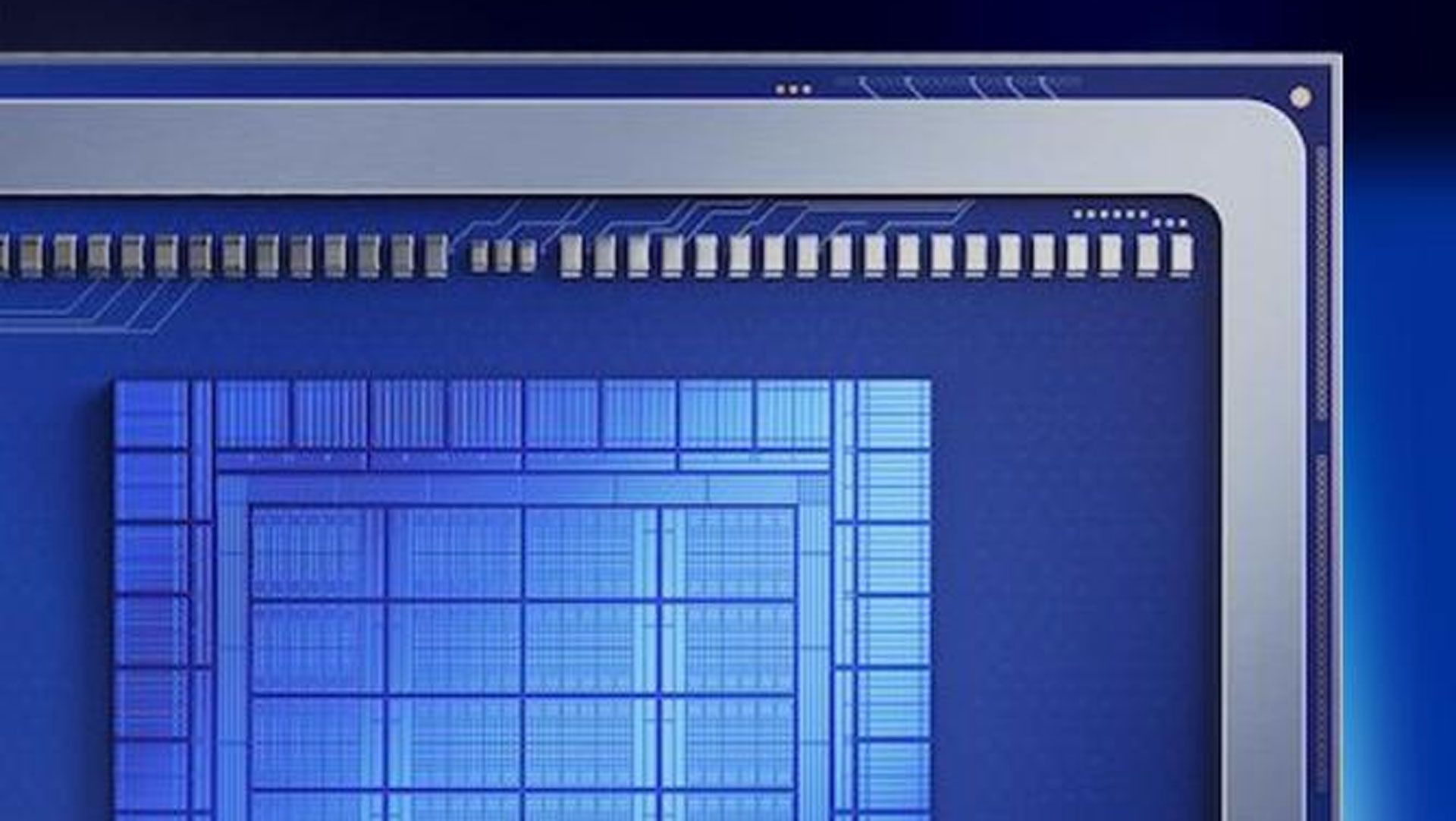
Tom's Hardware reports that at Computex Intel revealed details for the next-generation data-center GPU codenamed Crescent Island, built on the Xe3P architecture and described as "built for agentic AI." Tom's Hardware reports the Crescent Island reference design is a PCI Express add-in card with a 350W power target and uses LPDDR5X instead of GDDR or HBM. Tom's Hardware reports the reference includes 160GB of LPDDR5X and that the design allows partners to scale to 480GB. The article notes leaked analysis suggesting a wide, slow 640-bit bus and calculates about 684 GB/s of bandwidth using 10.7 Gbps LPDDR5X parts; Tom's Hardware also notes 24GB LPDDR5X modules are available from vendors such as Samsung.
What happened
Tom's Hardware reports that at Computex Intel provided new details on its next-generation data-center GPU, codenamed Crescent Island, which is built on the Xe3P GPU architecture and described in coverage as "built for agentic AI." Tom's Hardware reports that the Crescent Island reference design is a PCI Express add-in card with a 350W power target. Tom's Hardware reports Intel's design forgoes GDDR and HBM in favor of LPDDR5X, with a reference capacity of 160GB and partner-configurable support up to 480GB.
Technical details
Tom's Hardware reports recent leaks and analysis indicate Crescent Island may use a wide-but-slower approach, potentially a 640-bit bus connecting about 20 LPDDR5X devices. Tom's Hardware notes basic arithmetic with 10.7 Gbps LPDDR5X suggests roughly 684 GB/s of memory bandwidth for that configuration. Tom's Hardware also reports module availability, citing 24GB LPDDR5X parts from suppliers such as Samsung.
Editorial analysis
Industry context: Companies that opt for high-capacity, lower-cost memory types like LPDDR5X typically accept a bandwidth-per-byte trade-off versus HBM. This trade-off can make it easier to keep larger models or larger activation/embedding tables fully resident on a single accelerator, which simplifies inference pipeline complexity for some workloads. Implementation complexity shifts to board and thermal design when vendors adopt many LPDDR devices and wide memory buses.
Context and significance
For infrastructure and systems engineers, a LPDDR5X-first accelerator changes the hardware envelope practitioners consider when sizing models for inference or mixed workloads. Observed patterns in similar transitions show partners and OEMs must adapt PCB routing, power delivery, and cooling to support many memory channels, even when peak per-channel bandwidth is lower. For cloud and data-center operators, greater on-card capacity can reduce off-card memory traffic but may not uniformly accelerate all model classes.
What to watch
Tom's Hardware reports Intel did not publish raw compute throughput numbers for Crescent Island; observers will look for vendor partner cards that show final memory configurations, measured bandwidth, and system-level power/thermal metrics. Industry watchers should monitor partner designs that realize the advertised 480GB ceiling and any published benchmarks comparing LPDDR5X-backed cards to HBM/GDDR alternatives.
Key Points
- 1LPDDR5X-first designs trade raw bandwidth for much higher on-card capacity, simplifying model residency for some inference workloads.
- 2A wide, slow bus approach enables 480GB capacities without HBM, shifting complexity to board routing, power delivery, and cooling.
- 3Practitioners should reassess sharding, batching, and memory residency strategies if accelerators prioritize capacity over peak bandwidth.
Scoring Rationale
This is a notable hardware announcement affecting datacenter GPU designs and memory architecture choices for inference. It matters to systems engineers and ML ops teams but lacks published compute benchmarks, reducing immediate operational impact.
Practice interview problems based on real data
1,625 SQL & Python problems across 15 industry datasets — the exact type of data you work with.
Try 250 free problems