Indonesia outlines three pillars for national AI policy
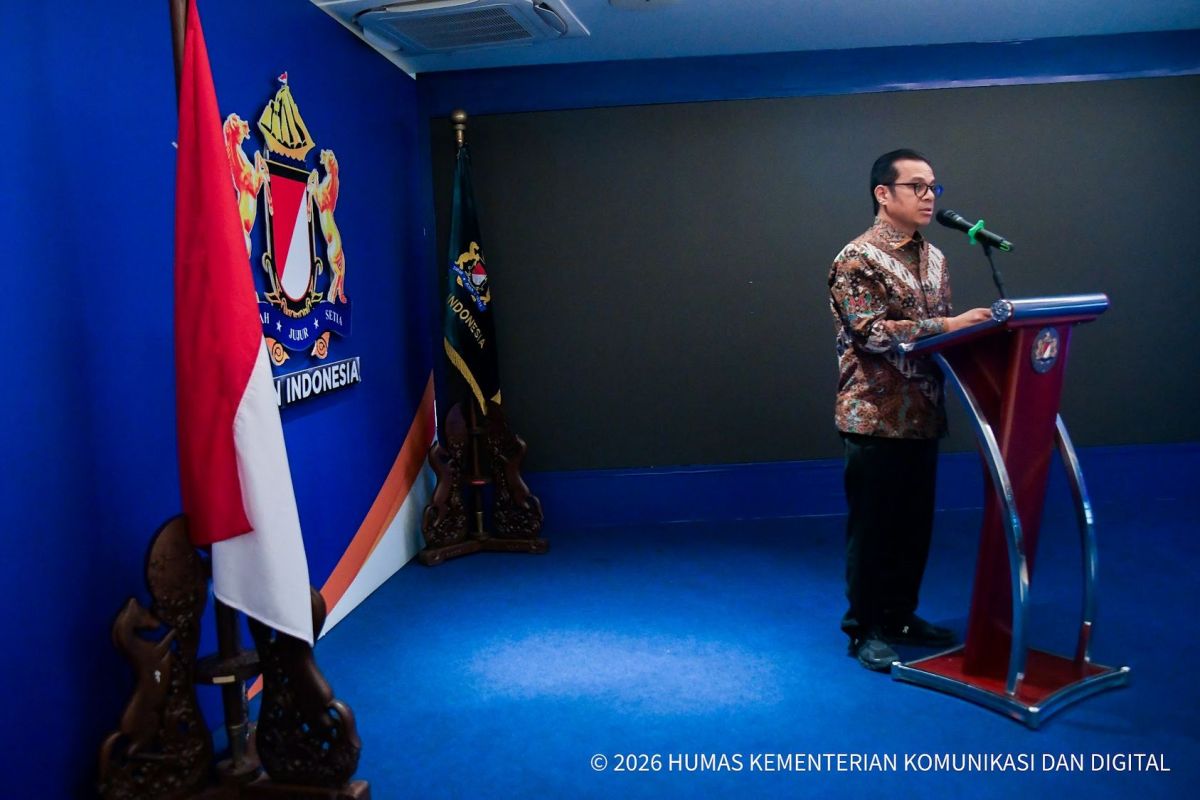
According to ANTARA, Indonesia's Ministry of Communication and Digital Affairs set three pillars for its AI policy: regulation that balances innovation and protection, world-class digital infrastructure, and inclusive digital talent development. Deputy Minister Nezar Patria said the government is "currently finalizing two key policy instruments: the national AI roadmap and a presidential regulation on AI ethics" (ANTARA). ANTARA reports investment commitments including Microsoft's US$1.7 billion cloud infrastructure pledge and reaffirmed commitments from Nvidia and Amazon, and cites 185 data centers with 274 MW capacity as of 2026 and a government target of over 2,000 MW by 2029. The deputy minister is quoted saying Indonesia faces a shortage of about 3 million digital talents, and ANTARA cites industry projections that the digital economy will exceed US$100 billion in 2026 and could reach US$220-360 billion by 2030. Additional reporting (GovInsider, UNESCO, UNCTAD, OECD.ai) documents the national AI roadmap white paper, prior readiness assessments, and international cooperation on digital infrastructure.
What happened
According to ANTARA, the Indonesian Ministry of Communication and Digital Affairs articulated three pillars for national AI policy: a regulatory framework balancing innovation and protection; world-class digital infrastructure; and inclusive digital talent development. Deputy Minister Nezar Patria said the government is "currently finalizing two key policy instruments: the national AI roadmap and a presidential regulation on AI ethics" (ANTARA). ANTARA reports that Microsoft has committed US$1.7 billion to build cloud infrastructure in Indonesia and that Nvidia and Amazon have reaffirmed investment commitments; the article also states there were 185 data centers with a total capacity of 274 MW as of 2026 and that the government targets increasing this capacity to over 2,000 MW by 2029 (ANTARA). ANTARA quotes the deputy minister estimating a shortage of around 3 million digital talents and cites projections the country's digital economy will be worth more than US$100 billion in 2026, with potential to reach around US$220 billion to US$360 billion by 2030.
Technical details
Editorial analysis - technical context
The combination of policy instruments and infrastructure commitments described by officials aligns with common national approaches to AI readiness documented in public assessments. The national AI roadmap white paper, described by GovInsider as produced by a 443-member task force and structured into short-, medium-, and long-term horizons, functions as a coordination vehicle for governance, ecosystem development, and financing (GovInsider). International cooperation on digital infrastructure and technology transfer-such as the India-Indonesia MoU catalogued on OECD.ai and the CSTD contribution summarised in UNCTAD documents-typically targets cloud, data centre buildout, and skills partnerships that reduce latency and sovereign-data risks.
Context and significance
What to watch
Bottom line
Editorial analysis
For practitioners, the policy mix reported by ANTARA signals a national push to align capacity (data centres, cloud) with governance (roadmap, presidential ethics regulation) and talent development. Prior readiness work by UNESCO and the government's inputs to UN forums (UNCTAD/CSTD) show Indonesia has been building an institutional narrative around AI utility in public services, disaster management, and agriculture, which the roadmap seeks to operationalise (UNESCO; UNCTAD). Large capital commitments from hyperscalers, if realised, materially change available compute and managed services in-region and reduce some friction for deploying latency-sensitive or data-residency workloads, though deployment timelines and contractual terms remain the practical constraints developers will face.
Observers should track publication and legal status of the two instruments the deputy minister mentioned-the national AI roadmap white paper and a presidential regulation on AI ethics-as those will contain the operative rules, procurement signals, and compliance timelines referenced in ANTARA and GovInsider. Also watch announced timelines and locations for hyperscaler infrastructure rollouts, the pace at which data-centre capacity expands toward the 2,000 MW target, and concrete upskilling programs or certification pathways designed to address the cited 3 million talent gap (ANTARA; GovInsider; OECD.ai; UNCTAD). Finally, monitor multilateral and bilateral cooperation agreements that could bring technology, training, or financing into specific sectors such as public-sector AI, disaster response, and agriculture (UNCTAD; OECD.ai).
Indonesia's stated three-pillar approach mirrors common national playbooks for moving from policy to deployment, combining regulation, infrastructure, and skills. For practitioners, this creates clearer signals about regional infrastructure capacity and policy priorities, while leaving key operational questions to the content and enforceability of the forthcoming roadmap and ethics regulation.
Key Points
- 1Indonesia frames AI policy around three pillars: regulation, infrastructure, and talent, aiming to connect governance with deployment capacity.
- 2Hyperscaler commitments, including Microsoft's US$1.7 billion pledge, materially increase in-region cloud and data-centre capacity if implemented.
- 3Indonesia's cited shortfall of about 3 million digital talents makes workforce development a central bottleneck for realising AI projects.
Scoring Rationale
National AI policy and substantial infrastructure commitments materially affect practitioners in Southeast Asia by shaping governance, available cloud/data-center capacity, and talent pipelines. The story is notable for real investment figures and concrete capacity targets, but it is not a frontier-model or regulation with immediate global precedent.
Sources
Public references used for this report.
Practice with real Ad Tech data
90 SQL & Python problems · 15 industry datasets
250 free problems · No credit card
See all Ad Tech problems