Indonesia Minister Urges Graduates to Adapt to AI Disruption
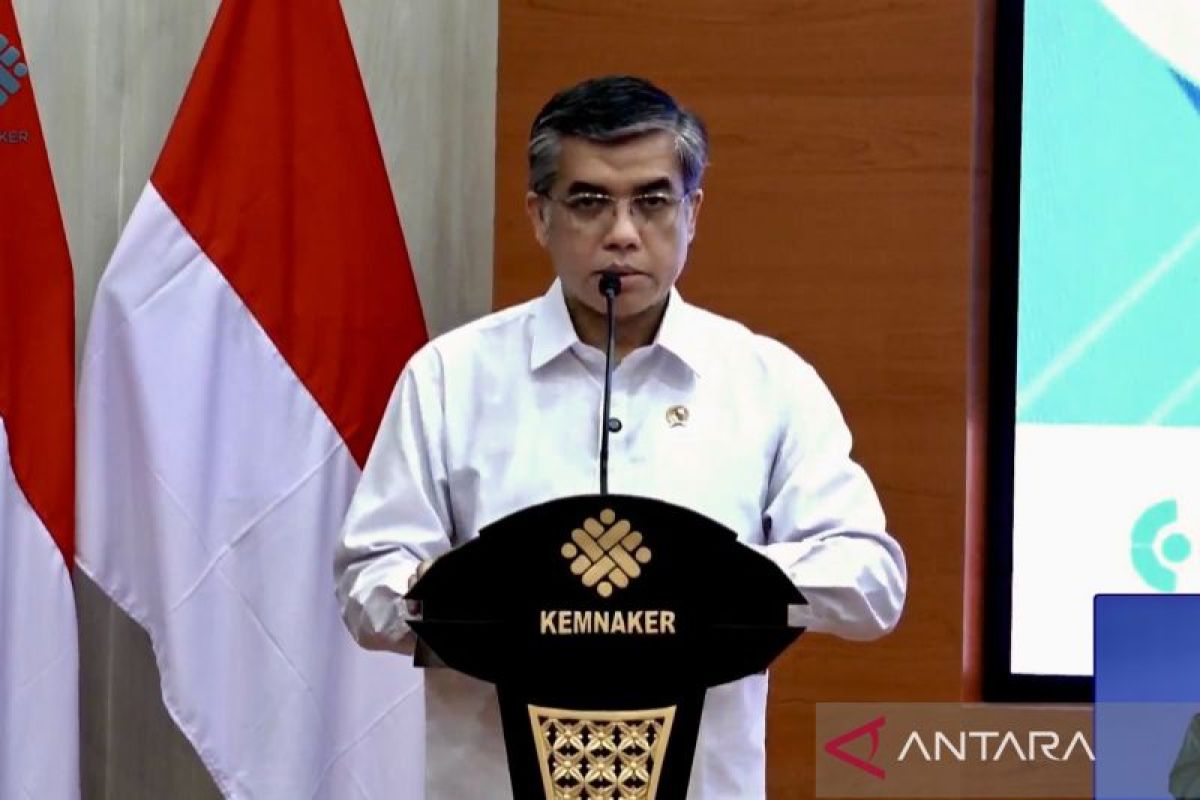
Antara reports that Indonesia's Minister of Manpower, Yassierli, urged university graduates to develop skills to face technological disruption and artificial intelligence. "Become lifelong learners who are ready to adapt to all business and technological changes," the minister said in a statement, per Antara. The article cites LinkedIn data showing that 80 percent of current job titles did not exist 20 years ago and reports a projection that around 50 percent of existing jobs may become irrelevant within the next decade. Antara also reports the minister saying only 27 percent of the national workforce currently possesses digital skills, versus a global benchmark of 60 to 70 percent. To respond, the minister introduced the concept of Triple Readiness.
What happened
Antara reports that Indonesia's Minister of Manpower, Yassierli, urged university graduates to equip themselves with skills to meet technological disruption and artificial intelligence. Antara quotes him saying, "Become lifelong learners who are ready to adapt to all business and technological changes." The article cites LinkedIn data showing 80 percent of current job titles did not exist 20 years ago and reports a projection that around 50 percent of existing jobs may become irrelevant within the next decade. Antara reports he said only 27 percent of the current workforce possesses digital skills, compared with a global standard of 60 to 70 percent.
What the minister proposed
Antara reports the minister introduced a concept called Triple Readiness, defined in the article as three pillars: Technical Skills Readiness (mastering advanced digital and green-economy skills), Human Skills Readiness (critical thinking, empathy, leadership, creativity), and Market Entry Readiness (building portfolios, internships, and certifications). Antara records his encouragement for graduates to seek concrete proof of capabilities through internships and certifications.
Editorial analysis - technical context
Industry-pattern observations: Governments and workforce agencies increasingly couple technical upskilling with "soft" or human skills when framing responses to automation and AI. Public statements that pair digital skill benchmarks with concrete training pillars align with recent national upskilling programs in other countries, which combine technical certification, experiential learning, and employer-driven credentials.
Context and significance
Editorial analysis
Antara's report frames this as a national skills-gap issue, quantifying the gap with the 27 percent figure and contrasting it to a 60 to 70 percent global standard. For practitioners and education providers, such public metrics often justify expanded government funding, curriculum updates, and partnerships with private training platforms. For employers, higher-level statements about human skills reinforce demand for roles where contextual judgement augments AI tools.
What to watch
Industry context
Observers should track whether the ministry follows this messaging with measurable programs: published targets for workforce digital literacy, funding lines for training, employer partnerships, or credential frameworks. Also watch whether ministries cite external data sources (for example, the LinkedIn figures Antara referenced) when setting benchmarks.
For practitioners
Data-science and ML teams in Indonesia and regional employers will likely encounter graduates with varied mixes of technical and human skills. Hiring teams and educators should expect continued emphasis on demonstrable project work, certifications, and internships as signals of job-readiness.
Key Points
- 1Government emphasis on combined technical and human skills mirrors global workforce responses to AI-driven disruption, affecting training and curricula.
- 2Antara cites LinkedIn data: 80 percent of current job titles did not exist 20 years ago; 50 percent of jobs may be at risk within a decade.
- 3Reported digital-skill penetration at 27 percent versus a 60 to 70 percent global benchmark indicates a large national upskilling requirement.
Scoring Rationale
The story matters to practitioners because it signals national-level emphasis on upskilling and credentialing in response to AI, but it contains no new technical breakthroughs or specific policy rollouts. Practical implications depend on whether the ministry follows up with funded programs.
Practice interview problems based on real data
1,625 SQL & Python problems across 15 industry datasets — the exact type of data you work with.
Try 250 free problems