Indonesia Adopts AI to Strengthen Preventive Laboratory Care
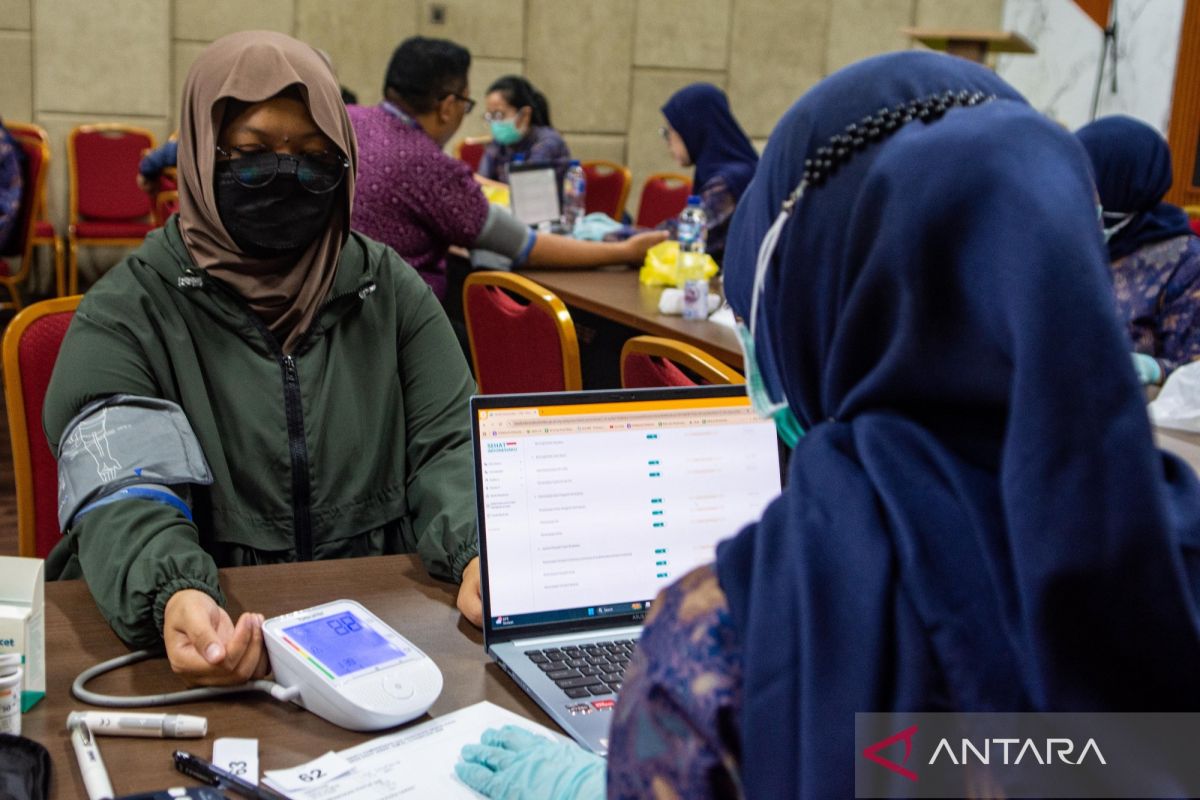
Indonesia is accelerating the use of artificial intelligence in clinical laboratories to shift health delivery from curative to predictive and preventive care. Deputy Health Minister Dante Saksono Harbuwono framed AI as an accelerator while stressing that human judgment and professional oversight remain essential. The health ministry is integrating the SatuSehat platform with electronic health records to provide real-time laboratory results and improve surveillance, while upgrading public labs via the InPULS program to expand quality services nationwide. Officials flagged operational challenges, including rising reagent costs and heavy dependence on imported equipment, and called for accreditation, standardization, and cross-sector collaboration to ensure safe, equitable rollout.
What happened - Indonesia is pushing AI into the laboratory backbone of its health system to enable earlier, predictive care while preserving clinician oversight. Deputy Health Minister Dante Saksono Harbuwono framed AI as an accelerator that helps move the system from curative toward preventive models. The government plans to integrate the national digital health platform SatuSehat with electronic health records to deliver real-time lab results and expand laboratory capacity through the InPULS modernization program.
Technical details - Integration targets live result delivery and improved surveillance, which implies stronger lab-to-EHR pipelines, standardized data models, and on-premise or cloud analytics. Key implementation requirements include:
- •Interoperability using common clinical standards such as HL7/FHIR and LOINC for lab coding to make results computable and linkable across systems.
- •Robust quality assurance and validation workflows to maintain accreditation, with human-in-the-loop review and external quality assessment to avoid automation errors.
- •Supply chain and infrastructure resilience for reagents, calibration, and equipment given current reliance on imports.
Context and significance - This is a concrete, government-led deployment use case where centralized public health infrastructure can generate high-value labeled data for predictive models, outbreak detection, and population surveillance. For practitioners, Indonesia presents a large-scale opportunity to design production-ready lab informatics, LIMS integrations, and validated ML pipelines that meet regulatory and accreditation constraints. The explicit call for AI-aware laboratory leadership and standards is aligned with global trends toward safe, auditable healthcare AI.
What to watch - Monitor technical standards chosen for EHR-lab integration, the governance model for data access and privacy, and whether pilot projects publish validation metrics. Procurement choices for equipment and reagent supply-chain strategies will materially affect scalability and reliability.
Key Points
- 1Government integration of lab data with SatuSehat enables real-time results and a data substrate for predictive analytics.
- 2Officials emphasize human oversight and accreditation, highlighting the need for validated, auditable AI and QA workflows.
- 3Reagent cost pressures and import reliance are primary operational risks that could limit scalable, equitable AI-enabled lab services.
Scoring Rationale
Notable national deployment that creates practical opportunities for lab informatics, surveillance, and validated ML pipelines. It is not a frontier-model event, but meaningful for practitioners building production-grade health AI.
Practice with real Health & Insurance data
90 SQL & Python problems · 15 industry datasets
250 free problems · No credit card
See all Health & Insurance problems