
Imagination Changes Social Preferences And Neural Encoding
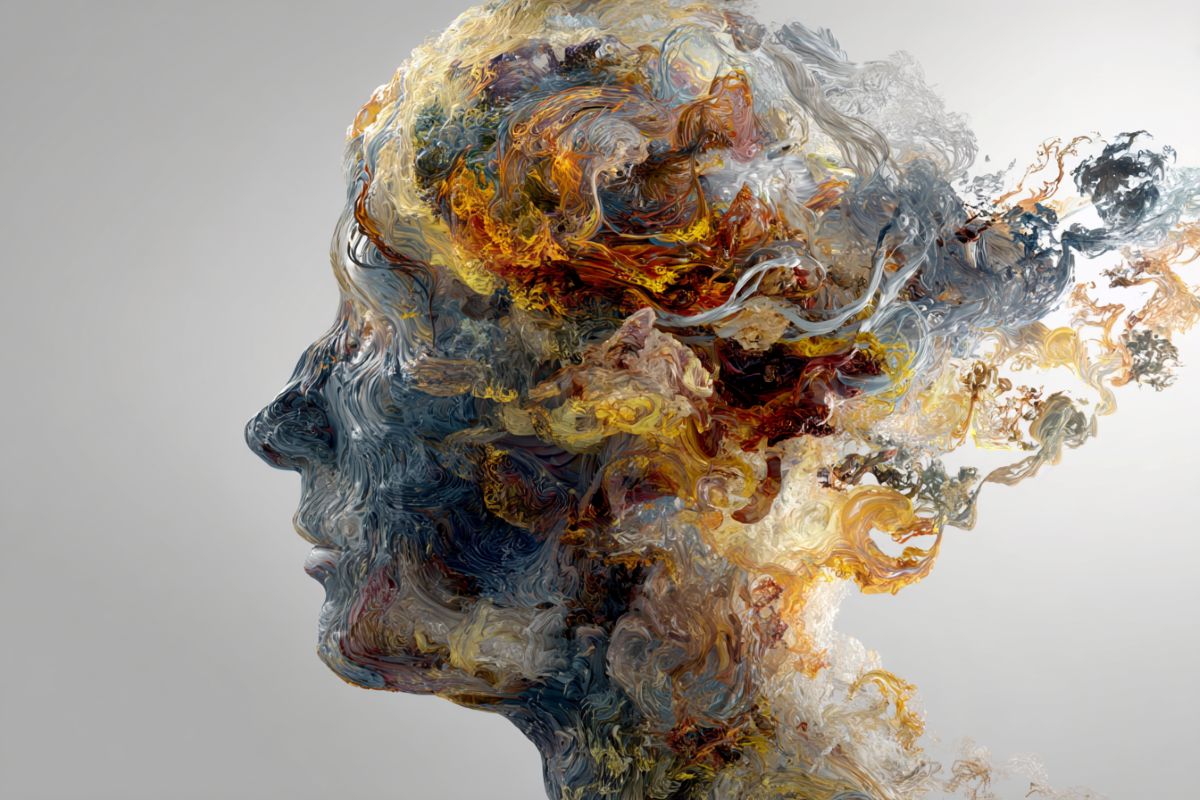
Researchers from the University of Colorado Boulder and Max Planck published Dec. 10 in Nature Communications that vividly imagining positive encounters increases liking for acquaintances. fMRI data from 50 participants showed ventral striatum and dorsomedial prefrontal cortex activity similar to real reward-learning, indicating imagination evokes endogenous prediction errors. The findings suggest guided imagery could inform therapies, relationship-building, and performance training.
Key Points
- 1Demonstrates that vividly imagining positive encounters increases liking and alters preference for acquaintances
- 2Reveals ventral striatum and dorsomedial prefrontal cortex engage similarly to real reward learning
- 3Suggests guided imagery could be used in therapy, social facilitation, and skill-performance interventions
Scoring Rationale
Strong peer-reviewed neural evidence and behavioral effects, but scope limited to a single 50-participant social-imagery study.
Sources
Public references used for this report.
Practice interview problems based on real data
1,625 SQL & Python problems across 15 industry datasets — the exact type of data you work with.
Try 250 free problems