iCPSS Guides Transplant Timing for CMML Patients
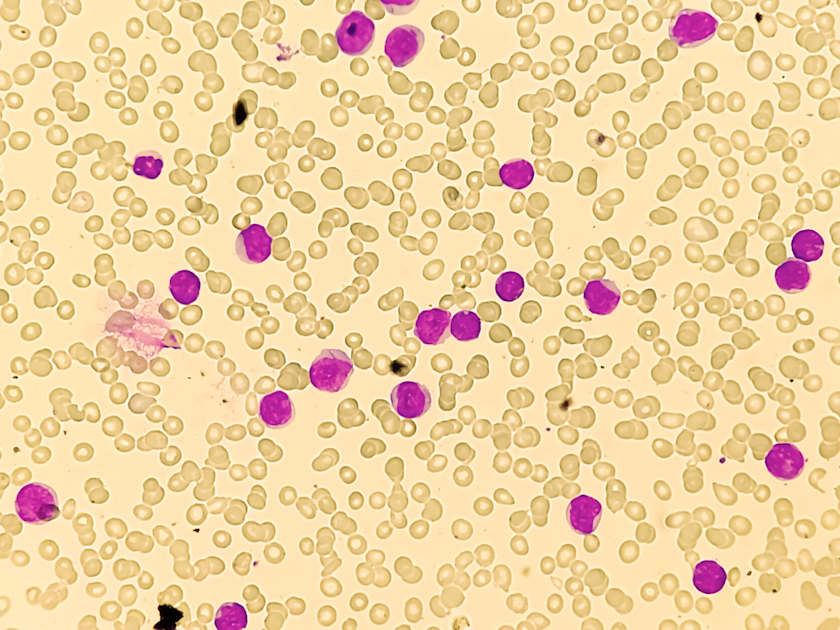
Researchers at Yale developed the international CMML Prognostic Scoring System (iCPSS), a machine-learning prognostic tool that analyzes clinical and genetic data from over 3,000 patients to identify which chronic myelomonocytic leukemia (CMML) patients will benefit most from allogeneic stem cell transplant and when to perform it. iCPSS stratifies risk across CMML's dysplastic and proliferative phenotypes, uses routinely collected genomic profiles, and aims to reduce unnecessary transplant-related morbidity by improving candidate selection and timing decisions for this only-curative yet high-risk procedure.
What happened
A multidisciplinary team built the international CMML Prognostic Scoring System (iCPSS), a machine-learning-backed clinical decision tool that combines clinical features and genomic data from an international cohort of more than 3,000 patients to inform selection and timing for allogeneic stem cell transplant in chronic myelomonocytic leukemia (CMML).
Technical context
CMML is genetically heterogeneous and clinically biphasic: a myelodysplastic (low white blood cell count) presentation and a myeloproliferative (high white blood cell count) presentation. Disease phenotype can evolve over time, affecting prognosis and therapeutic windows. Allogeneic stem cell transplant is the only curative option but carries substantial mortality and morbidity risk (infections, graft-versus-host disease), making accurate, individualized risk-benefit estimation essential.
Key details
iCPSS was trained and validated on clinical and routinely collected genetic mutation data from an international set of >3,000 patients, primarily from North America and Europe. The model outputs prognostic stratification that helps clinicians identify which patients are likely to derive survival benefit from transplantation and suggests optimal timing for referral and transplant discussion. The study includes the practical observation that genetic profiling used by the tool is already part of standard CMML workups. The team reports that iCPSS can change clinical decision pathways by indicating when earlier transplant discussion is warranted versus when observation or non-transplant therapies are appropriate. The paper's first author, a Yale postdoctoral associate, summarized: "Our tool can help physicians decide when is the best time to discuss transplantation with their patients."
Why practitioners should care
For ML practitioners in clinical research, iCPSS is an example of a real-world prognostic model that integrates genomics and longitudinal clinical phenotypes at scale and is aimed at an actionable clinical decision (transplant timing). For hematologists and clinical teams, the tool promises to reduce overtreatment and better allocate transplant resources by stratifying transplant benefit. The reliance on routinely collected genomic data increases feasibility for clinical deployment but raises questions about external validation across underrepresented populations and implementation into workflows.
What to watch
peer-reviewed publication details (model architecture, feature importance, calibration and decision-curve analysis), external validation in non-Western cohorts, prospective impact studies, and UI/EMR integration for shared decision-making.
Key Points
- 1iCPSS integrates clinical and routine genomic data from >3,000 CMML patients to predict transplant benefit and timing, enabling individualized decisions.
- 2CMML's evolving phenotypes (dysplastic → proliferative) and mutation landscape materially affect prognosis, so temporal, genotype-aware models change clinical windows for transplant.
- 3Because the tool uses data already collected in standard workups, it is technically deployable but needs external validation and workflow integration to affect outcomes.
Scoring Rationale
This is a clinically actionable ML prognostic model trained on a large international cohort; practitioners in clinical ML and hematology should note it. It is important but not industry-defining; short-term impact depends on external validation and implementation.
Practice with real Health & Insurance data
90 SQL & Python problems · 15 industry datasets
250 free problems · No credit card
See all Health & Insurance problems