HHS Expands AI Use to Detect Healthcare Fraud
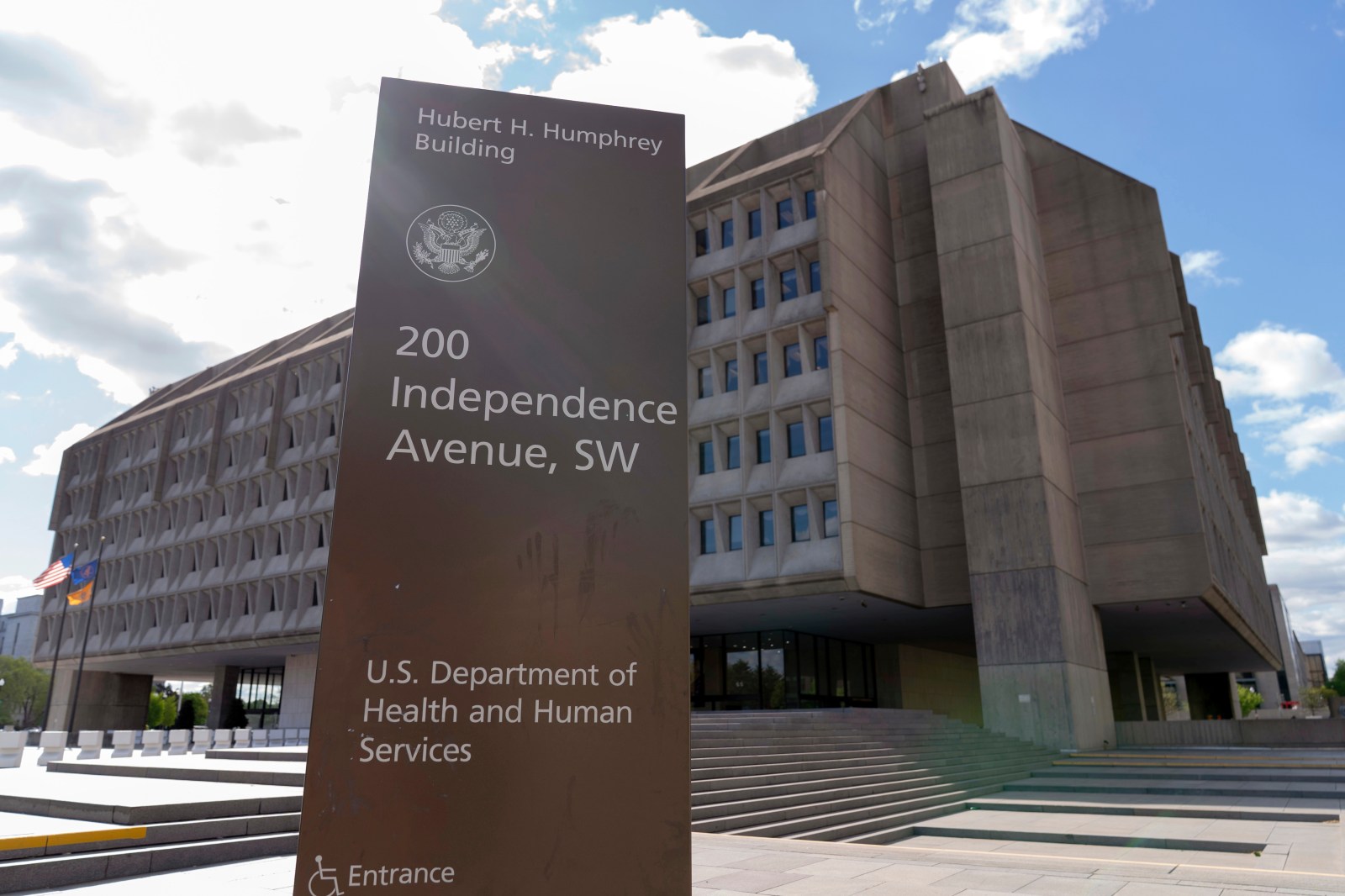
The U.S. Department of Health and Human Services and the Centers for Medicare & Medicaid Services on May 21 announced an expanded, AI-driven effort to detect Medicare and Medicaid fraud. According to a CMS press release, the initiative includes deferring $259.5 million in federal Medicaid payments to Minnesota, a nationwide moratorium on Medicare enrollment for certain DMEPOS suppliers, and a call for stakeholder input on strengthening program integrity. The CMS press release quoted Secretary Robert F. Kennedy, Jr. and CMS Administrator Mehmet Oz saying the agency will move from a "pay and chase" model to a "detect and deploy" approach using "advanced AI tools" to stop improper payments. Reporting by the Associated Press notes the broader effort will push states and recipients of federal health dollars to strengthen audits and explain plans for revalidating Medicaid providers.
What happened
According to the CMS press release, the White House event on May 21 announced steps to expand federal use of AI in Medicare and Medicaid program integrity. The release lists actions including deferring $259.5 million of quarterly federal Medicaid funding to Minnesota, instituting a nationwide moratorium on Medicare enrollment for certain DMEPOS suppliers, and soliciting stakeholder input on fraud-prevention measures. The CMS press release quotes Secretary Robert F. Kennedy, Jr. and CMS Administrator Mehmet Oz saying the agency will replace the old "pay and chase" model with a "detect and deploy" strategy that uses "advanced AI tools" to identify and stop improper payments. The Associated Press reported that the move will increase federal scrutiny of how states and other recipients audit their programs and will ask states to explain plans for provider revalidation.
Editorial analysis - technical context
Public reporting and the CMS statement do not disclose technical specifications for the AI systems. Industry-pattern observations: government fraud-detection programs typically combine supervised risk-scoring models, anomaly detection, rules engines, and real-time scoring pipelines. Practical challenges in these settings include label scarcity for confirmed fraud, class imbalance, concept drift when billing patterns change, explainability requirements for audits, and integration with legacy state claims systems.
Industry context
Observed patterns in comparable public-sector AI deployments show procurement and compliance needs shape model design more than raw accuracy goals. Vendors and integrators solving for large-scale claims surveillance often emphasize reproducible scoring, human-in-the-loop review workflows to reduce false positives, and audit trails for legal review. The decision to withhold or defer funds, as in the $259.5 million Minnesota action, increases operational stakes for both model precision and governance.
What to watch
Indicators practitioners and vendors should follow include publication of CMS technical guidance or RFPs, transparency on model performance metrics and false-positive rates, state responses and corrective-action plans, legal or regulatory challenges to enrollment moratoria, and the stakeholder input process CMS opens. Also monitor whether CMS publishes data standards or APIs to enable real-time scoring across state systems.
Key Points
- 1CMS announces AI-driven "detect and deploy" fraud strategy, combining real-time scoring with prevention-focused enforcement.
- 2Federal deferral of $259.5 million to Minnesota increases pressure on states to strengthen claims auditing and provider revalidation.
- 3Industry-pattern observation: large-scale claims surveillance prioritizes explainability, human review, and reproducible scoring over experimental model gains.
Scoring Rationale
This is a notable policy deployment of AI in a major public program with material financial impact and procurement implications for practitioners working on healthcare claims analytics, compliance, and model governance.
Sources
Public references used for this report.
Practice with real Health & Insurance data
90 SQL & Python problems · 15 industry datasets
250 free problems · No credit card
See all Health & Insurance problems