
HBO Comedies Highlight AI's Limits in Humor
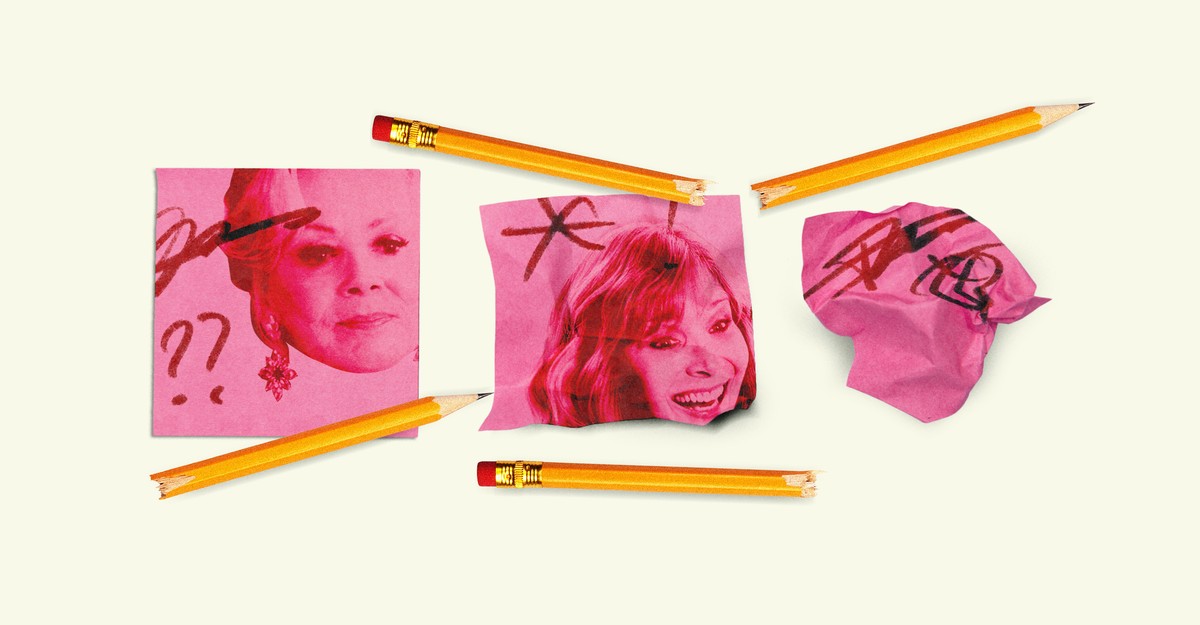
Several critics and outlets report that the final seasons of Hacks and The Comeback put generative AI at the center of their plots, dramatizing how the technology can commodify performers and disrupt writers' rooms. The Atlantic describes scenes in which characters are offered lucrative AI deals that replace human collaboration, and Vanity Fair and The Guardian frame the episodes as part of a broader Hollywood conversation about AI's creative limits. Deadline and The Hollywood Reporter include on-the-record comments from cast and creators about the shows' final episodes; Deadline quotes Lisa Kudrow on the emotional logic of Valerie Cherish's last scene. Editorial coverage across outlets portrays the shows as satire that argues comedy depends on messy, human collaboration rather than algorithmic optimization.
What happened
The final seasons of Hacks and The Comeback foreground generative AI as a plot device that forces characters to choose between lucrative, automated shortcuts and the messy human work of making jokes. According to The Atlantic, both series stage offers in which characters are asked to monetize their likenesses or accept AI-written material, with storylines showing how those deals erode the collaborative processes that produce stronger comedy. Vanity Fair and The Guardian place those plotlines in a broader trend of television treating AI as an antagonist, and The Hollywood Reporter reviews the series finale of The Comeback while Deadline publishes cast commentary, including Lisa Kudrow reflecting on Valerie Cherish's final scene.
Editorial analysis - technical context
Industry-pattern observations: television writers, critics, and trade outlets are using narrative fiction to surface concrete ethical and creative questions about AI in entertainment. These accounts do not focus on model architectures or APIs; instead they dramatize friction points that practitioners already debate in production settings: attribution and ownership of voice, fidelity of automated material to performer's intent, and the loss of iterative collaboration between writers and performers. Reporting by The Wrap and interviews cited in IndieWire show writers explicitly wrestling with how to put those production concerns on screen.
Context and significance
What to watch
For practitioners
Industry-pattern observations: the shows crystallize three recurring concerns that affect engineers, producers, and legal teams: dataset provenance for training voice models, attribution and credit for creative contributors, and quality-control workflows (human-in-the-loop processes) required to preserve comedic timing and intent. While the fiction does not address model details, it highlights operational and product-design issues teams confront when deploying generative systems into creative pipelines.
Closing note
Editorial analysis
the shows operate as cultural case studies rather than technical primers. By centering older, established performers-Jean Smart's Deborah Vance in Hacks and Lisa Kudrow's Valerie Cherish in The Comeback-critic coverage (The Guardian, Vanity Fair) frames the AI story as about legacy, reputation, and the valuation of a comedic voice. For practitioners this matters because the narrative attention mirrors real-world commercial incentives: outlets and platforms are portraying AI as attractive for cost and scale while also illustrating creative degradation that can follow when human iteration is removed.
observers should track several indicators to see how the on-screen debate maps to production practice. Look for trade reporting and contract language changes around likeness licensing and AI-generated material; monitor writers' guild and union responses referenced in outlets like The Hollywood Reporter; and watch producers' postmortems or interviews (for example, the Deadline conversation with Kudrow and producers) for any disclosures about how scripts were developed.
critics across The Atlantic, Vanity Fair, The Guardian, The Hollywood Reporter, and Deadline are united in treating these comedies as both entertainment and commentary. The reporting suggests television is becoming an early battleground for public norms about AI in creative labor, and the shows function as a practical, narrative probe of what is lost when collaboration is automated.
Key Points
- 1HBO's Hacks and The Comeback use generative AI plotlines to dramatize how automation can erode collaborative joke-writing dynamics.
- 2Critics frame the storylines around legacy and voice, highlighting legal and creative friction points industry practitioners already debate.
- 3Industry coverage suggests TV is becoming a forum for norm-setting, signaling where contracts, attribution, and human-in-the-loop controls may be contested.
Scoring Rationale
The story is culturally notable and useful for practitioners thinking about creative workflows and contract issues, but it does not introduce new technical capabilities or industry-wide policy changes. It is relevant to teams handling AI deployment in media, legal, and production roles.
Sources
Public references used for this report.
View 7 more sources
- AI Is Now Appearing in Plotlines—and It's Starring as a Very Bad Guyvanityfair.com
- James Burrows on ‘The Comeback’ and Hollywood’s AI Problem: ‘I Have No Idea What the F**k Happened’indiewire.com
- Hollywood Needs To Learn A Lesson About AI From This Hit HBO Seriesslashfilm.com
- TV Writers Are Putting Their AI Anxieties on the Page - TheWrapthewrap.com
- The Comeback: Lisa Kudrow says AI is TV's next threat - Gold Derbygoldderby.com
- Hacks Star Hannah Einbinder Did Not Hold Back About AI (And It's ...aol.com
- Screenwriting : hbo's hacks & the comeback: 2 shows tha… - Stage 32stage32.com
Practice interview problems based on real data
1,625 SQL & Python problems across 15 industry datasets — the exact type of data you work with.
Try 250 free problems
