Gujarat High Court issues notices to Meta, Google, X over deepfake misuse
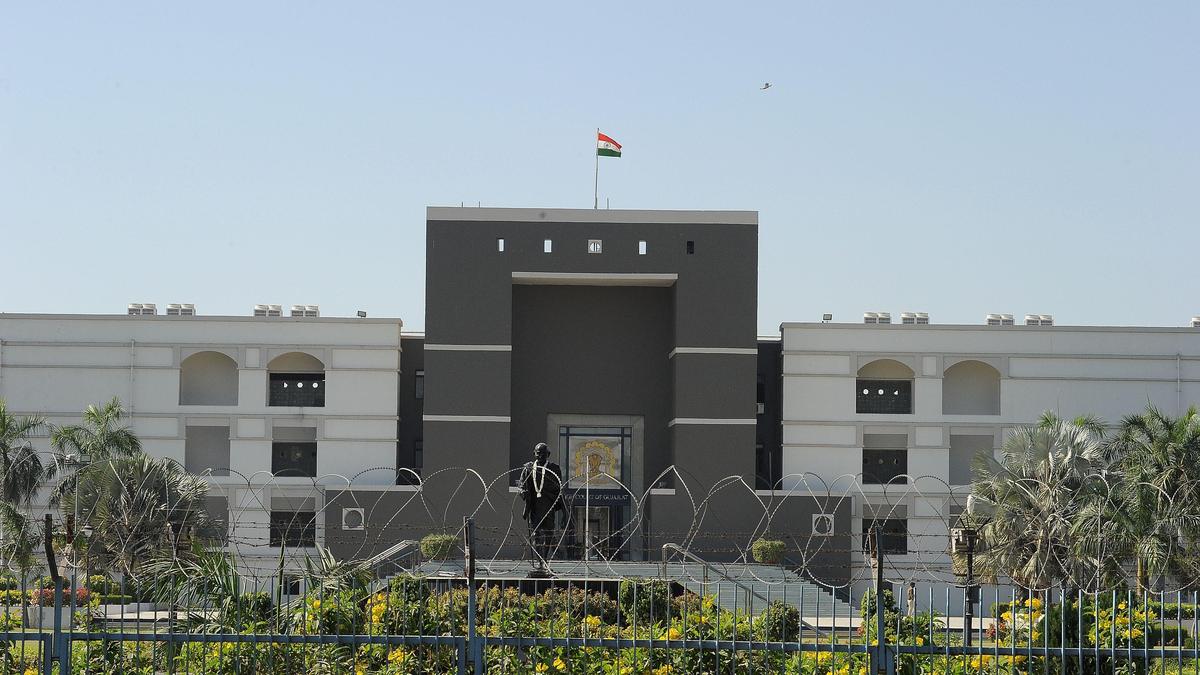
The Gujarat High Court has issued notices to global platforms including Meta, Google, X, Reddit, and Scribd in a Public Interest Litigation seeking stronger controls on AI-generated deepfakes. The PIL, filed by Advocate Vikas Vijay Nair, urges judicial and regulatory directions to safeguard constitutional and statutory authorities from manipulated audio-visual content. The bench directed intermediaries to onboard the government Sahyog portal for coordinated, time-bound takedowns and asked respondents to file replies by the next hearing on May 8. Central and state affidavits told the court the Sahyog portal, created in October 2024, centralizes takedown coordination and access to subscriber logs, but implementation gaps persist, with the government flagging non-responsiveness from X and partial integration by some platforms.
What happened
The Gujarat High Court issued notices to global platforms Meta, Google, X, Reddit, and Scribd in a Public Interest Litigation that seeks urgent judicial and regulatory action to curb the spread of AI-generated deepfakes, especially those targeting constitutional and statutory authorities. The bench set the next hearing for May 8 and directed intermediaries to be onboarded to the Sahyog portal, the government coordination system established in October 2024, for faster takedowns and access to subscriber information.
Technical details
The petition, filed by Advocate Vikas Vijay Nair, argues deepfakes now mimic voices and facial expressions with high fidelity, creating material risks to public trust and democratic functioning. The Centre and Gujarat government filed affidavits describing the Sahyog portal as a unified interface for:
- •rapid, coordinated takedown requests;
- •prioritized handling of synthetically generated unlawful information; and
- •controlled access to subscriber data, logs, and judicial evidence for identification of offending users.
The government told the court that some intermediaries, notably Meta and Google, have improved speed and traceability of compliance, while others have not fully integrated. The Ministry of Home Affairs specifically cited non-responsiveness from X, and reported 94 intimations issued to X in prior interactions.
Context and significance
Platform-level enforcement has been the weak link in many jurisdictions as deepfake capability scales. India is using the Sahyog portal as an operational lever to translate statutory obligations under the Information Technology Act, 2000 and its rules into time-bound technical workflows. This case focuses less on changing law immediately and more on compelling implementation and coordination between police cyber units, courts, and intermediaries. For practitioners, this signals growing expectations that platforms will provide programmable, auditable interfaces for takedowns and forensic support, and face judicial scrutiny if integration or responsiveness is lacking.
Why it matters for engineers and product teams
Courts are now asking for practical interoperability: documented API-driven takedown channels, prioritized handling queues for politically sensitive targets, and the ability to supply logs and evidence in judicial formats. These are product design and compliance engineering problems, not only legal ones. Expect increased demand for scalable provenance, attestations, and content attribution tooling to demonstrate whether media is synthetic and to speed investigations.
What to watch
The May 8 hearing will test whether the court issues enforceable directions: mandatory onboarding to Sahyog, timelines for takedowns, or orders requiring platforms to provide forensic support to state cyber units. Longer term, anticipate pressure for amendments to the IT Act or implementing rules that explicitly address synthetically generated content and platform due diligence obligations.
Practical implication
If the court mandates standardized integrations or evidence formats, platform engineering teams should prioritize build plans for secure log export, expedited legal workflows, and transparent compliance audit trails. Compliance and legal teams should expect closer collaboration with Indian law enforcement and possible escalation pathways for repeated non-compliance.
Key Points
- 1Gujarat HC issued notices to Meta, Google, X, Reddit, and Scribd to tackle AI deepfakes targeting public institutions, forcing platform accountability.
- 2Court pushed intermediaries to onboard the Sahyog portal, highlighting the gap between regulation on paper and operational implementation by platforms.
- 3Expect mandates for technical interoperability, forensic support, and time-bound takedowns, raising engineering and compliance priorities for platforms operating in India.
Scoring Rationale
This is a notable regulatory development that pushes platforms toward operational compliance rather than a new legal theory. It affects engineering and compliance workflows for major intermediaries in India. Timeliness and potential for enforceable orders give it practical importance, but it is not a landmark reform yet.
Sources
Public references used for this report.
Practice interview problems based on real data
1,625 SQL & Python problems across 15 industry datasets — the exact type of data you work with.
Try 250 free problems