
Google demonstrates phone heart-rate monitoring by sight
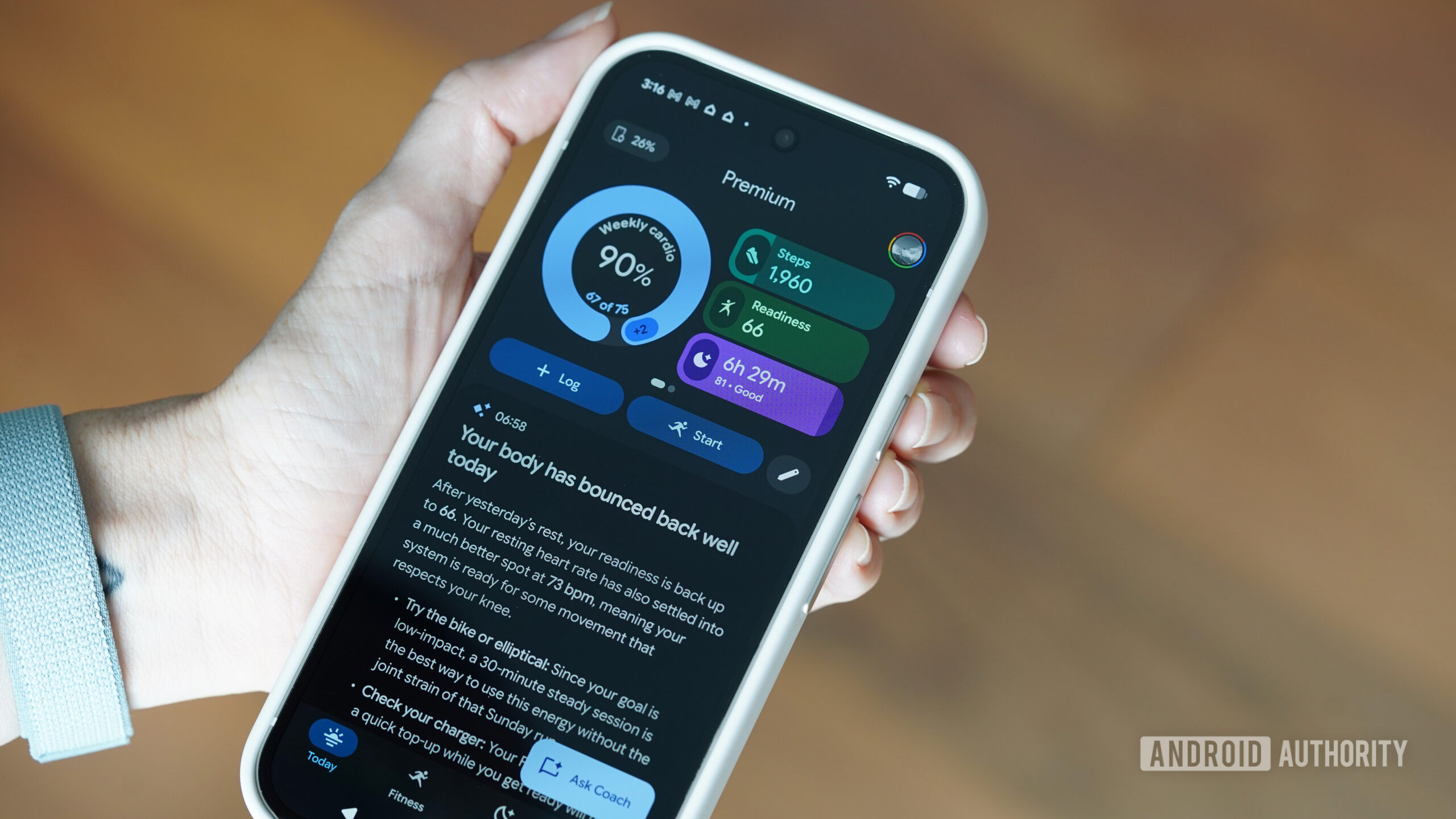
Android Authority reports that Google is developing a way for a phone to estimate a user's heart rate using its camera, without a wearable or contact sensor. The approach relies on remote photoplethysmography (rPPG), which infers the blood-volume pulse from tiny, camera-visible changes in skin color and then derives heart rate. Google Research has published work in this area, including passive heart-rate measurement from facial video during everyday smartphone use. Because it needs no extra hardware, camera-based sensing could extend basic vital-sign monitoring to large numbers of existing phones, though accuracy across skin tones, lighting, and motion is the central challenge such systems must address.
What happened
Android Authority reports that Google is developing technology to let a smartphone estimate a user's heart rate using its camera, without a smartwatch or other contact sensor. Google Research has published work on camera-based vital-sign sensing, including passive heart-rate measurement from facial video during ordinary smartphone use.
How it works
The underlying technique is remote photoplethysmography (rPPG). A camera observes minute, periodic changes in skin color caused by the blood-volume pulse; software tracks a skin region, isolates that pulsatile signal, and computes heart rate, and in some systems heart-rate variability and respiration rate. Unlike a wrist sensor, the method is passive and contactless, relying only on a standard front-facing camera.
Why it matters
Because it requires no additional hardware, camera-based heart-rate sensing could extend basic health monitoring to large numbers of existing phones, an appealing option for screening and wellness features. For computer-vision and mobile-health practitioners, it is also a reminder that consumer sensing increasingly comes from models running on commodity cameras rather than dedicated sensors.
Editorial analysis
rPPG is an established research area rather than a brand-new idea, and the hard problems are well known: maintaining accuracy across skin tones, lighting conditions, and user motion, and validating results against medical-grade references. Independent evaluation and regulatory framing typically determine whether such methods move from research demonstrations into shipped, trusted health features.
Key Points
- 1Google is developing camera-based heart-rate estimation for phones using remote photoplethysmography, needing no wearable or contact sensor, per Android Authority.
- 2rPPG infers the blood-volume pulse from subtle, camera-visible skin-color changes, then computes heart rate and related metrics from that signal.
- 3No-hardware sensing could scale vital-sign monitoring to existing phones, but robustness across skin tone, lighting, and motion remains the key validation hurdle.
Scoring Rationale
Applied health-sensing research from a major lab that could bring contactless heart-rate monitoring to ordinary phones is useful to mobile-health and computer-vision practitioners. It builds on the established rPPG field rather than introducing a new paradigm or shipping product, so its impact is solid but not major.
Sources
Public references used for this report.
Practice with real Health & Insurance data
90 SQL & Python problems · 15 industry datasets
250 free problems · No credit card
See all Health & Insurance problems
