
Gemini Veo outperforms ChatGPT Sora in video generation
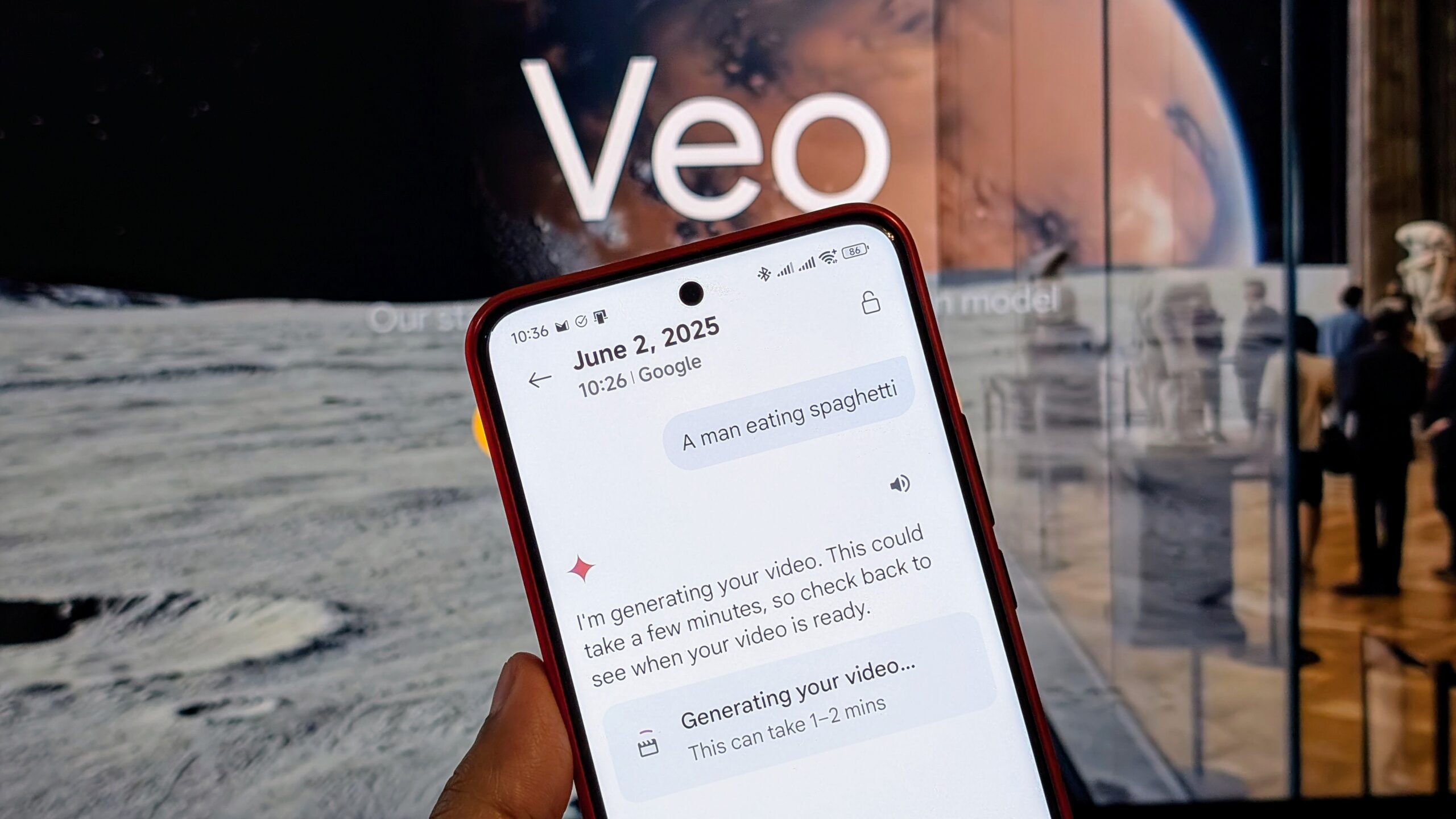
Multiple reviews and tests found Google's Gemini Veo models produced smoother, more realistic short videos with better synchronized audio compared with OpenAI's Sora. Reporting by Android Authority and CNET documents that Sora 2 produced viral demo clips but remained invite-only or limited and relied on paid subscriptions in a small set of countries, limiting creator adoption. CNET and Tom's Guide highlight Veo 3 and Veo 3.1 as superior on audio continuity and realism in head-to-head prompts. Industry writeups such as Zapier frame the gap between Gemini and ChatGPT as narrowing overall, with video generation and ecosystem distribution now key differentiators. Editorial analysis below separates reported facts from practitioner-facing implications.
What happened
Multiple outlets tested Google and OpenAI video models and reported a practical edge for Google. Android Authority and CNET ran side-by-side comparisons of Sora 2 and Veo 3 and reported that Veo 3 (and followups like Veo 3.1) produced smoother motion and more consistent audio in many prompts (Android Authority; CNET; Tom's Guide). Android Authority reported that Sora gained viral visibility through demo videos but was available only to a limited set of users and used paid subscriptions in a small number of countries during its early rollout (Android Authority). CNET documented product details for Sora 2, noting generated clips of 10 to 15 seconds, audio output up to 1080p, visible C2PA metadata, and a cloud-shaped watermark; CNET also described OpenAI controls for training opt-out and content-safety policies (CNET). Podcast and reviewer coverage summarized project-level wins for Veo, with the Everything Product podcast describing Veo 3 results as more polished with integrated audio and platform branding in their test outputs (Everything Product podcast).
Technical details
Editorial analysis - technical context
Reviewers repeatedly called out synchronized audio and environment-aware sound modeling as a differentiator. Multiple tests found Veo 3 and Veo 3.1 better at preserving audio continuity across scene cuts and environment changes, while Sora iterations sometimes showed discontinuities or physics artifacts in object motion (CNET; Tom's Guide; Android Authority). Industry coverage also notes that ecosystem integration, model access patterns, and distribution channels affect which model creators actually use in production workflows (Zapier; Android Authority).
Context and significance
What to watch
Bottom line for practitioners
Editorial analysis
The coverage frames this as a product-adoption story as much as a model-quality story. Reviewers emphasize that viral demos attract attention but do not guarantee sustained creator uptake without broad access, integrations, and predictable performance in diverse prompts (Android Authority; CNET). Zapier's comparative guide places video generation as one of several features now differentiating Gemini and ChatGPT experiences, with ecosystem ties and subscription bundling influencing which tools gain everyday traction (Zapier).
Observers and reviewers will track three indicators: wider access gating for Sora (invite vs open), improvements in audio-environment modeling across vendors, and platform distribution strategies such as bundling with devices or subscriptions that give tools instant user bases. Coverage to date is based on reviewer prompts and limited production tests; broader developer and creator feedback will show whether early reviewer advantages translate into sustained adoption (Android Authority; CNET; Tom's Guide; Zapier).
For teams evaluating text-to-video tooling, reported differences today center on audio fidelity, physics realism, and integration into creator workflows. Reported test outcomes favor Veo on those axes in several published comparisons, while Sora has demonstrable strengths in demo-quality content. Those evaluating tools should validate performance on their specific prompts and pipeline needs rather than relying solely on viral demos or headline comparisons (CNET; Android Authority; Tom's Guide).
Key Points
- 1Reviewer tests from Android Authority and CNET report Veo 3 produces smoother motion and more consistent audio than Sora 2 on many prompts.
- 2Accessibility and distribution matter: Android Authority notes Sora remained limited/invite-only with paid access in few countries, constraining creator adoption.
- 3Industry pattern: product integration, audio modeling, and subscription bundling often determine which generative tools reach producers at scale.
Scoring Rationale
This is a notable product-comparison story that affects practitioners selecting text-to-video tools: it highlights real differences in audio and motion fidelity and the role of access and distribution. It is not a frontier-model breakthrough, so its impact is mid-tier.
Sources
Public references used for this report.
Practice with real Ad Tech data
90 SQL & Python problems · 15 industry datasets
250 free problems · No credit card
See all Ad Tech problems

