Geely unveils Eva Cab purpose-built robotaxi prototype
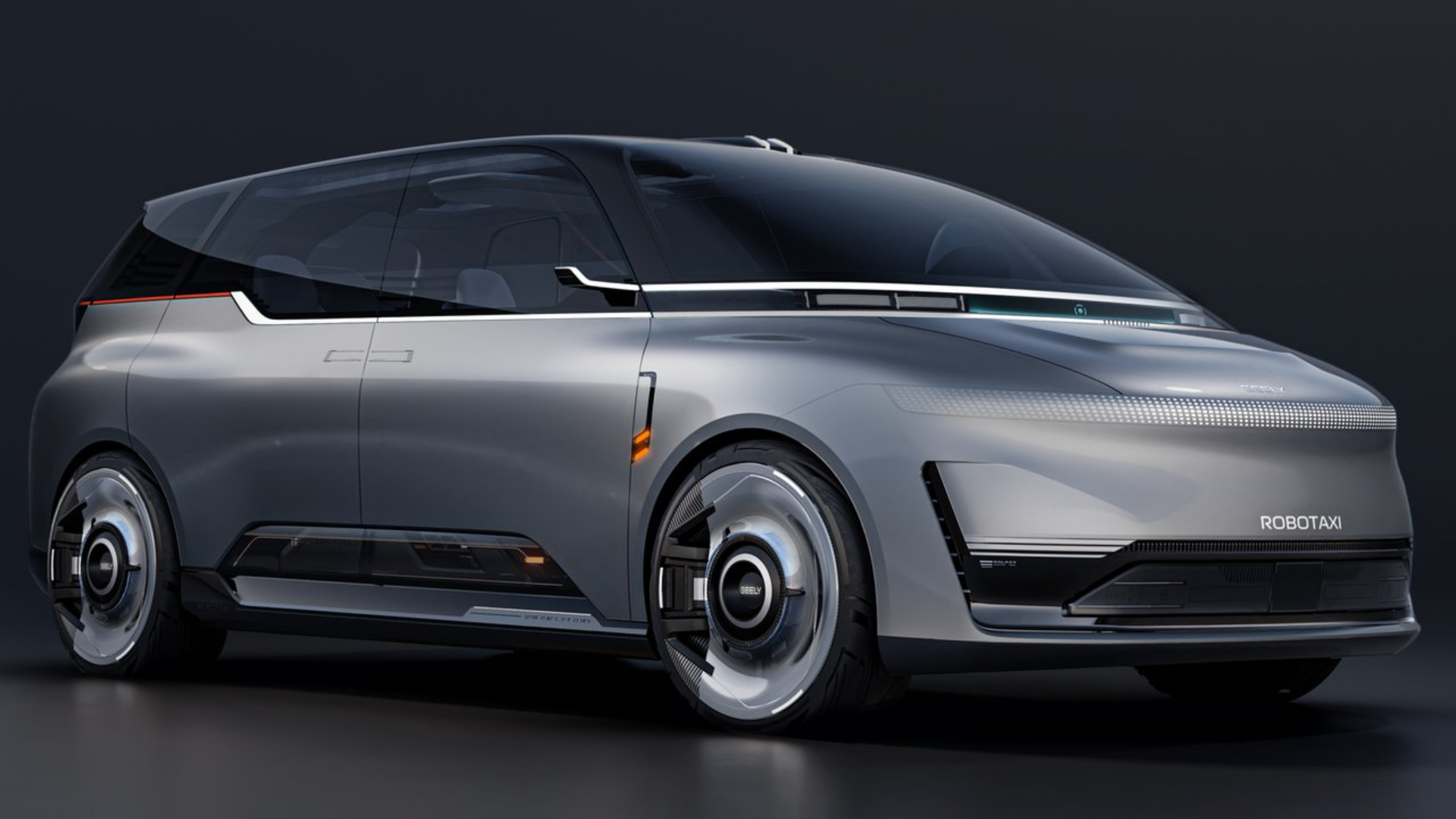
Geely unveiled the Eva Cab robotaxi prototype at the 2026 Beijing Auto Show, multiple outlets reported. Reporting by Reuters and other outlets says the vehicle is a purpose-built, wheelhouse-free robotaxi jointly developed with ride-hailing unit CaoCao Mobility and intended for production from 2027. Technical details reported across the press include a 196-billion-parameter onboard AI model, a compute platform delivering 1,400 TOPS, a multi-sensor suite reportedly comprising 43 perception components and multiple LiDAR units, and an architectural stack Geely calls the World Action Model (WAM). Reuters reported Caocao CEO Gong Xin set fleet rollouts starting in 2028 with a longer-term target of 100,000 vehicles by 2030 and initial markets including Abu Dhabi, Hong Kong and several Chinese cities.
What happened
Geely showcased the Eva Cab robotaxi prototype at the Beijing Auto Show on April 24, 2026, Reuters and multiple trade outlets reported. The vehicle is described in press coverage as a purpose-built, no-steering-wheel robotaxi developed with Geely's ride-hailing arm, CaoCao Mobility, and slated for production starting in 2027, with expanded delivery and fleet deployment reported for 2028 and a reported fleet target of 100,000 by 2030 (Reuters).
Technical details
Press reports attribute an onboard AI stack using a 196-billion-parameter model and a compute subsystem delivering up to 1,400 TOPS of performance (Interesting Engineering; VNExpress). Coverage describes a hardware platform said to include two Nvidia Thor chips, an array of LiDARs and cameras totaling roughly 43 perception components in some accounts, and claims around inference throughput such as 350 TPS and faster-than-human reaction metrics in vendor reporting (Interesting Engineering; VNExpress; CarNewsChina).
Editorial analysis - technical context
Companies building purpose-designed robotaxi hardware typically integrate higher compute density and a larger, more diverse sensor suite than retrofit approaches, trading component cost for tighter software-hardware co-design. Industry observers note that onboard LLM-scale models in mobility stacks shift compute and thermal design constraints onto the vehicle, increasing emphasis on efficient accelerators and power management rather than purely on perception stacks.
Context and significance
Industry context: The Eva Cab coverage frames Geely's effort as part of a wider wave of OEMs and mobility platforms moving from retrofit testbeds to dedicated robotaxi platforms. For practitioners, that pattern changes operational trade-offs: fleet operators and OEMs weigh higher per-vehicle hardware cost against potential reductions in software complexity, interior optimisation for shared rides, and lifecycle maintenance. Integrating a large language-model-sized component into driving stacks also raises the bar on validation, simulation fidelity, and interpretability requirements for production safety cases.
What to watch
Editorial analysis: Observers should monitor independent verification of the performance claims reported in vendor and trade coverage, uptake and pilot results from the named initial markets (Reuters listed Abu Dhabi, Hong Kong and several Chinese cities), and how Geely/CaoCao publish technical validation data (for example disengagement rates, scenario coverage, and third-party audits). Also watch component supply lines: high onboard compute claims place sustained demand on automotive-grade accelerators such as Nvidia Thor and on high-resolution LiDAR suppliers.
Practical takeaways for practitioners
For ML engineers and AV systems teams, purpose-built vehicles like the Eva Cab underline the need to design across domains: model architecture, real-time inference stacks, sensor fusion latency budgets, thermal and power constraints, and fleet telematics. Industry readers should treat vendor performance claims as starting points for technical evaluation rather than conclusive proof; independent testing and published metrics remain essential.
Source notes
The preceding reported facts are drawn from Reuters, Interesting Engineering, VNExpress, Quattroruote and other trade reporting compiled at the Beijing Auto Show. Editorial paragraphs are LDS analysis and framed as industry-level observations, not as statements about Geely's internal intentions or future actions.
Key Points
- 1Purpose-built robotaxis concentrate compute and sensors on-vehicle, shifting validation and thermal-design burdens onto OEMs and fleet operators.
- 2Embedding large, LLM-scale models in driving stacks raises test and interpretability requirements distinct from traditional perception-only systems.
- 3Reported 2027 production and 2028 deployments imply OEMs view dedicated form factors as the route to deployable, cost-optimized robotaxi fleets.
Scoring Rationale
A major OEM unveiling a purpose-built robotaxi with high onboard compute and a stated production timeline is notable for AV practitioners and fleet engineers, affecting hardware-software co-design and validation needs. The story is relevant but not a frontier-model or regulation milestone.
Sources
Public references used for this report.
View 12 more sources
- Geely ra mắt robotaxivnexpress.net
- Geely Eva Cab: il robotaxi senza volante che gestisce pedaggi e guida autonoma | Quattroruote.itquattroruote.it
- Geely unveils China’s first Waymo-like native robotaxi prototype at 2026 Beijing Auto Showcarnewschina.com
- Geely Eva Cab: il robotaxi che decide 3 volte più velocemente dell'uomohdmotori.it
- Move over Tesla CyberCab: the Robotaxi is hereelectrifying.com
- Geely Unveils Eva Cab Robotaxi and Plans Global Launch in 2027tech.news.am
- China's First Purpose-Built Robotaxi Customized for CaoCao ...finance.yahoo.com
- CaoCao & Geely debut Eva Cab as China's first purpose-built robotaximsn.com
- Geely Unveils Eva Cab: China's First Natively Developed Robotaxi ...chinapev.com
- Geely Unveils Mainland s First Native-Developed Robotaxi Prototype "Eva Cab"Financial Newsaastocks.com
- Geely Technology Ecosystem on Full Display and Debut of China's ...wfmz.com
- Geely Eva Cab Concept (2026) - NetCarShow.comnetcarshow.com
Practice with real Ride-Hailing data
90 SQL & Python problems · 15 industry datasets
250 free problems · No credit card
See all Ride-Hailing problems