Friday Sundae Chooses Handcrafted Development for Debut Game
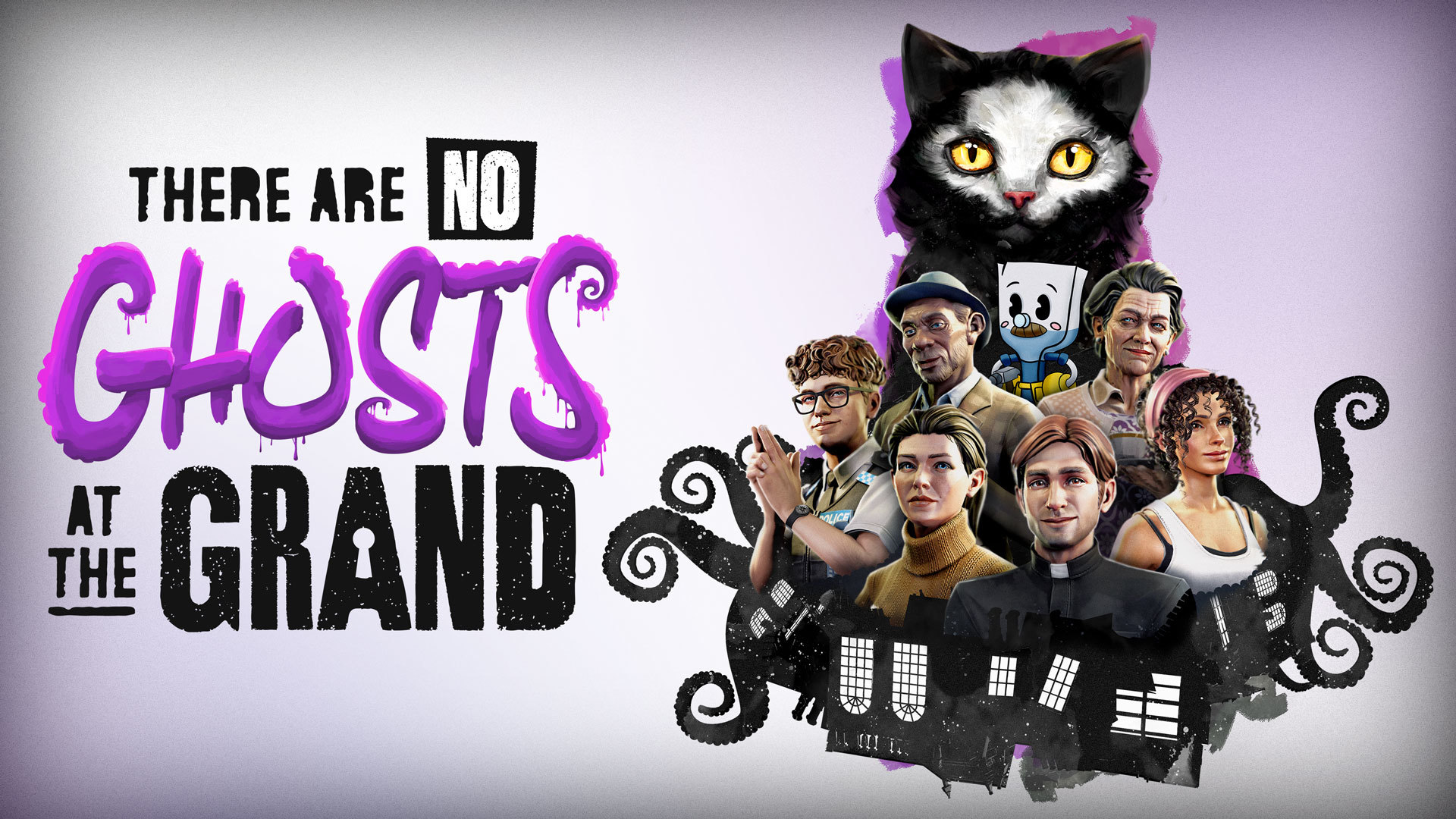
Friday Sundae, a Bristol-based indie studio of about 10 people, is building its debut title There Are No Ghosts at The Grand without using AI. Creative director Anil Glendinning says the team creates all artwork, story, and programming in-house, preferring manual craft and community feedback to preserve a distinctive style and gameplay feel. The game targets PC and Xbox Series X/S in 2026, and a new playable slice will arrive later this week. The studio frames AI as potentially "more of a problem than it is a hindrance," citing fit and creative control as primary drivers of the decision. For practitioners, this is a practical example of an indie studio trading automation and scale for curated artistic identity and tighter creative feedback loops.
What happened
Friday Sundae, a Bristol indie studio of about 10 people, is developing its debut title There Are No Ghosts at The Grand without using any AI, and will ship on PC and Xbox Series X/S in 2026. Creative director Anil Glendinning explained the choice bluntly: "Well within our game we don't use any AI at all... I think AI might be more of a problem than it is a hindrance." A new playable slice is scheduled to arrive later this week.
Technical details
The studio performs core creative and engineering work in-house:
- •All artwork is hand-created to preserve a distinctive visual style
- •All narrative and story content is written by the team
- •All programming and game systems are implemented by the internal team
This is a small, vertically integrated workflow. For a team of 10 the tradeoffs are concrete: manual asset creation increases lead-time and labor cost but maintains tight control over stylistic coherence, narrative voice, and gameplay tuning. The team explicitly emphasizes iterative, community-driven feedback rather than automated content generation or procedurally produced assets.
Context and significance
The decision sits within an ongoing industry split. Large studios and many tools vendors adopt AI for rapid asset prototyping, dialogue generation, and code scaffolding to accelerate pipelines and reduce costs. Indie teams often face different incentives: distinctive IP, auteur-driven design, and a premium on handcrafted quality. Friday Sundae's stance highlights three friction points that motivate rejection of AI: potential dilution of artistic identity, uncertainty around licensing and provenance for generated assets, and perceived integration overhead or mismatch with the studio's creative process. For practitioners, it is a reminder that AI is not a universal productivity win; integration cost, iteration dynamics, and brand differentiation can outweigh throughput benefits.
What to watch
Observe player and critic reception to the upcoming demo for signals about whether handcrafted presentation materially affects discoverability or engagement. Also watch whether other indie teams publicly adopt similar stances or selectively integrate AI for narrow tasks like build automation or QA rather than core creative work.
Key Points
- 1Friday Sundae rejects AI for core creative and engineering work, prioritizing handcrafted art and narrative to protect artistic identity.
- 2A small, in-house team of 10 trades automation for control, increasing development cost but preserving stylistic coherence and tuned gameplay.
- 3The stance underscores real integration and IP concerns with AI, suggesting adoption depends on fit, provenance, and iterative workflow alignment.
Scoring Rationale
This is a solid, practitioner-relevant example of an indie studio rejecting AI for artistic and workflow reasons. It is not industry-shaking, but it illustrates tradeoffs around integration, provenance, and creative control that matter to developers.
Sources
Public references used for this report.
Practice interview problems based on real data
1,625 SQL & Python problems across 15 industry datasets — the exact type of data you work with.
Try 250 free problems