Former WEF Director Predicts India Will Catch Up in AI
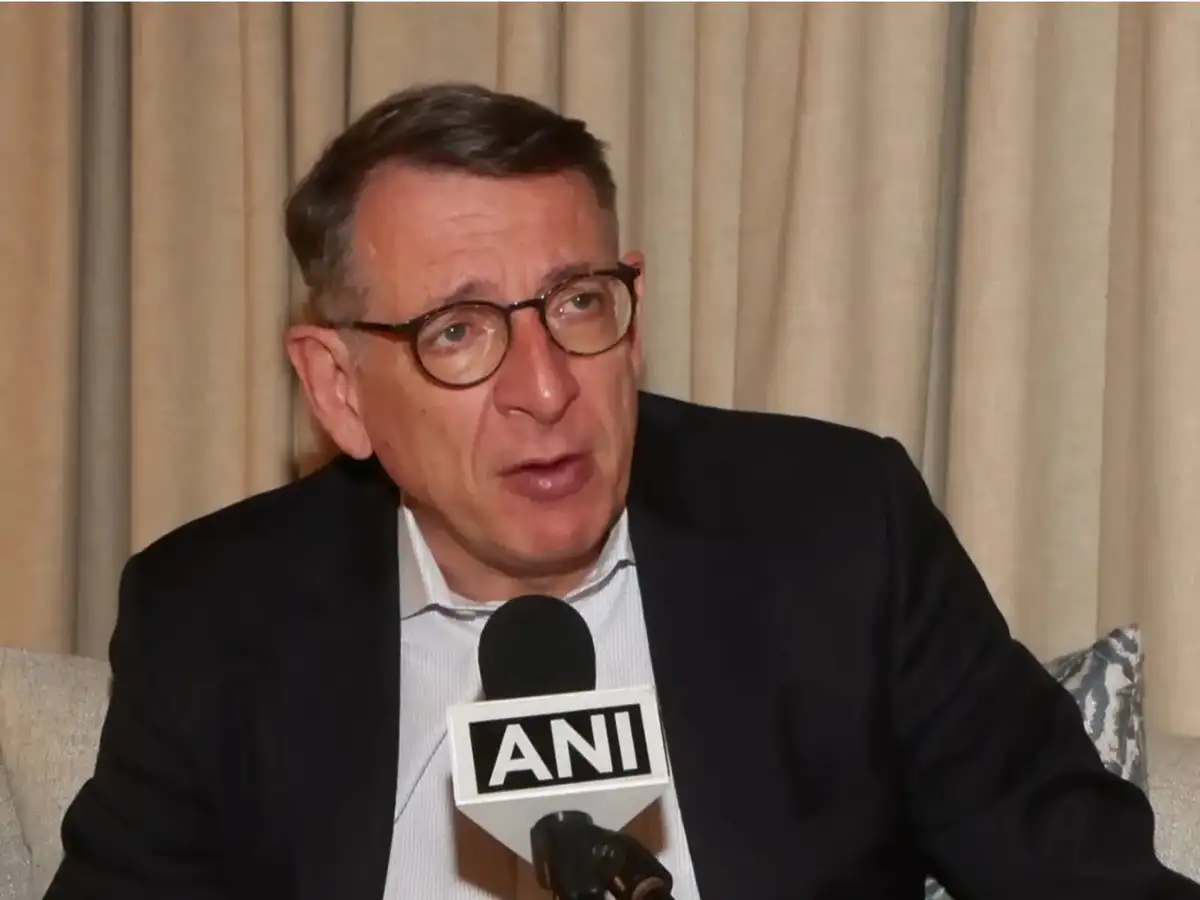
Frank-Jurgen Richter, former director of the World Economic Forum and chairman of Horasis, says India has momentum to become an AI and manufacturing leader as Europe lags in building sovereign AI capacity. Richter highlights Prime Minister Modi's call at the AI Impact Summit for India to be an "AI Superpower," and credits policy changes that reduce red tape and corruption. He urges continued openness to FDI and warns against protectionism. Richter frames this optimism about India against a broader global backdrop of war, energy stress, and an emerging AI-driven shakeup.
What happened
Frank-Jurgen Richter, former director of the World Economic Forum and chairman of Horasis, argued that Europe has largely "missed the bus" on building sovereign AI capacity, while India is positioned to accelerate into a leadership role. Richter pointed to Prime Minister Modi's declaration at the AI Impact Summit that India should aim to be an "AI Superpower," and highlighted progress on manufacturing, IT, and agricultural automation.
Technical details
Practitioners should note Richter's focus is strategic and policy-based rather than technical. Key capabilities and priorities he identifies for India include:
- •AI, IT, manufacturing, and agriculture as coordinated pillars of industrial transformation
- •Reducing administrative red tape and curbing corruption to speed deployment and FDI flows
- •Emphasis on building local AI capacity and avoiding overreliance on external providers, i.e., sovereign AI ambitions
These are implementation enablers rather than concrete model or benchmark announcements. There are no published model specs or APIs tied to his comments, but the policy direction implies stronger domestic data governance, talent investment, and industrial digitization efforts.
Context and significance
Richter places India's momentum in the context of three systemic pressures: geopolitical conflict, energy volatility, and an "AI crisis" reshaping global competitiveness. If India sustains policy reforms and opens to foreign direct investment, it can leverage low-cost engineering talent, large-scale data from diverse populations, and a manufacturing push tied to Industry 4.0. For practitioners, that means growing opportunities for deployment-focused ML work, edge and industrial AI projects, and partnerships that couple models with production systems. Europe's relative slowdown raises strategic questions about supply chains, research funding, and sovereign model stacks.
What to watch
Monitor concrete policy moves on data governance, incentives for AI manufacturing pilots, major FDI announcements, and government-linked AI procurement. Also watch talent retention and whether protectionist impulses emerge, which Richter warns would undercut India's trajectory.
Key Points
- 1India is positioned to scale AI and manufacturing by pairing policy reforms with FDI, enabling rapid industrial AI adoption.
- 2Europe's lag in building sovereign AI capacity increases geopolitical and supply-chain risk for AI-dependent industries.
- 3Practical impact hinges on India converting political rhetoric into data governance, talent retention, and industrial pilots.
Scoring Rationale
The commentary highlights a meaningful geopolitical shift and potential market opportunity for AI practitioners, but it is opinion-based without technical disclosures or immediate operational changes. Its impact is moderate unless followed by concrete policy or funding moves.
Practice with real FinTech & Trading data
90 SQL & Python problems · 15 industry datasets
250 free problems · No credit card
See all FinTech & Trading problems