FIFA Deploys Digital Twins For World Cup Officiating

FIFA and Lenovo have deployed AI-assisted player avatars for the 2026 World Cup, with FIFA saying Lenovo scanned 1,248 players to support advanced semi-automated offside technology. Official FIFA and Lenovo materials describe the avatars as more realistic, player-specific 3D representations used in offside replay animations, while Lenovo says every match also generates more than 2,000 performance metrics and ball telemetry. Forbes reports broader digital-twin and biometric-data implications around reuse and commercial rights. For practitioners, the important shift is that computer-vision, sensor-fusion, and broadcast-rendering pipelines are now part of live officiating infrastructure, so accuracy, consent, data retention, and audit trails matter as much as visual quality.
The World Cup deployment matters because it moves AI-assisted visualisation and sensing into the machinery of live officiating, not just fan-facing graphics. For practitioners, the lesson is that sports analytics systems now need the same evidence discipline as other high-stakes production ML: calibrated data capture, inspectable decisions, privacy controls, and clear ownership of derived biometric assets.
What happened
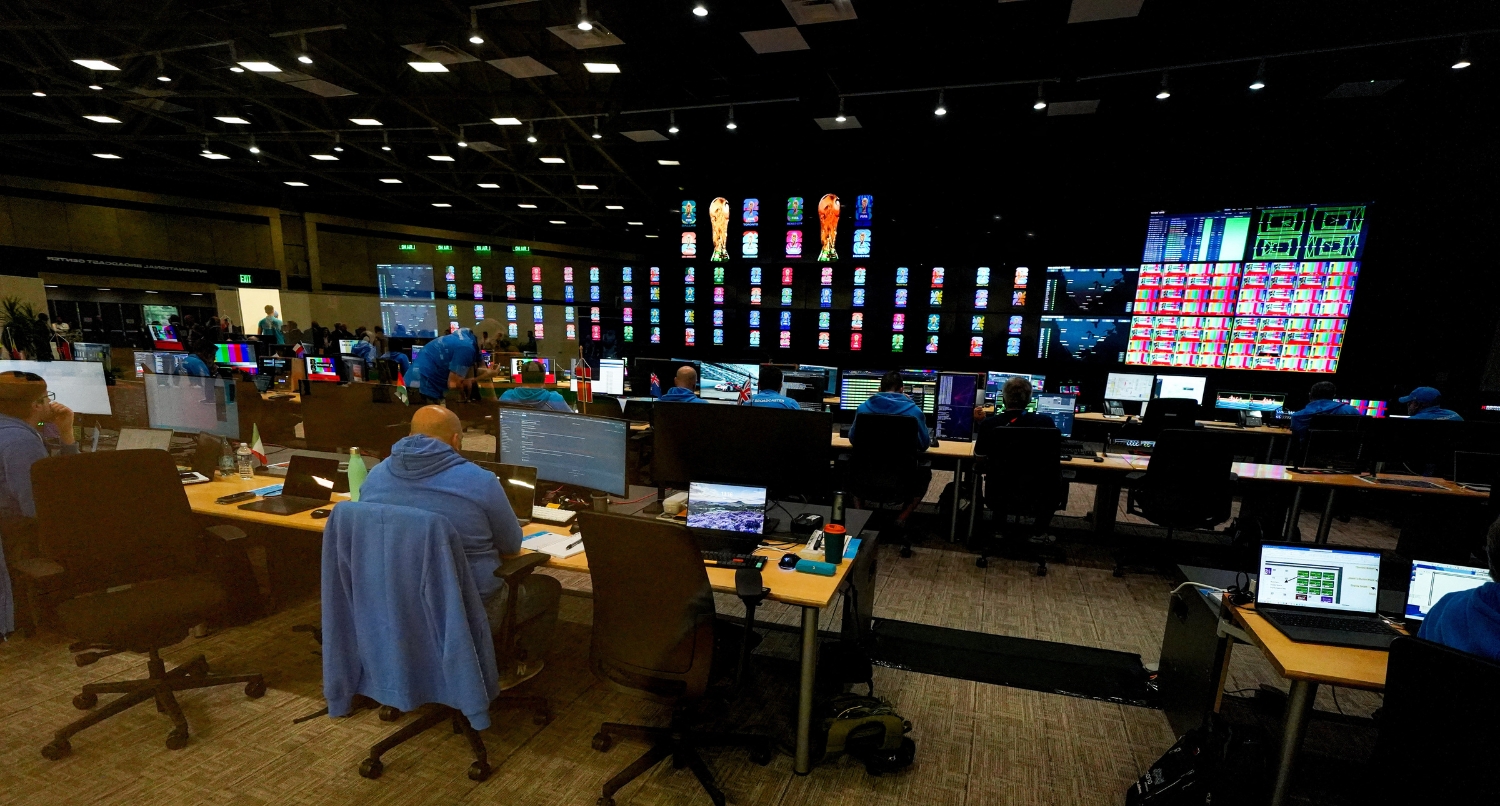
FIFA says Lenovo created player scans for all 1,248 participating players at the 2026 World Cup, producing more realistic player avatars for advanced semi-automated offside technology and offside replay animations. Lenovo's materials describe AI-assisted 3D avatars, referee-view stabilisation, operational command-centre tooling, and FIFA AI Pro, a post-match analysis assistant that works with official event and tracking data.
Technical context
The public materials point to a production stack that combines body scans, player tracking, event data, ball telemetry, visual rendering, and broadcast systems. Lenovo says every match generates more than 2,000 performance metrics, while FIFA says the avatars improve visual context for offside assessments. The sources do not publish the underlying model architecture, latency budgets, or full audit-log design, so those details should stay framed as open implementation questions.
Industry context
Sports technology has long used tracking and replay tools, but player-specific avatars at tournament scale make the data asset more sensitive. Forbes reports broader concerns around digital twins, biometric reuse, and commercial rights; official FIFA and Lenovo sources emphasize officiating transparency, fan experience, and tournament operations. That contrast is useful: the deployment case is verified, while some governance questions remain unresolved in public sources.
For practitioners
Teams building similar systems should separate three layers of evidence: the measurement layer that captures body, ball, and event data; the decision layer that feeds offside or tactical workflows; and the presentation layer that renders explainable visuals for officials and fans. Each layer needs versioning, data-retention rules, and review paths because an error can affect both competitive outcomes and biometric-data trust.
What to watch
Watch for disclosures from FIFA, Lenovo, player associations, or regulators on data retention, consent, reuse rights, and auditability of adjudication decisions. Technical follow-ups that disclose reconstruction accuracy, sensor-fusion methods, or decision-log retention would make the deployment much more useful as a practitioner case study.
Key Points
- 1FIFA says Lenovo created player-specific avatars for all 1,248 participants, improving offside visualisations beyond generic body models.
- 2The stack combines player scans, event data, ball telemetry, and real-time rendering, creating both accuracy and auditability demands.
- 3Forbes raises post-tournament biometric-data questions, so teams should separate official deployment facts from unresolved governance claims.
Scoring Rationale
This is a notable production deployment of computer-vision, sensor, and analytics infrastructure at a globally watched event, with direct implications for auditability and biometric-data governance. The official sources support the avatar and offside-technology claims, while broader commercial-rights questions rely on reporting that is still evolving, keeping the score below the major tier.
Sources
Public references used for this report.
View 5 more sources
- FIFA turned every World Cup player into a digital twinforbes.com
- How Lenovo is using AI to make the 2026 FIFA World Cup bettertomsguide.com
- Lenovo AI solutions power FIFA World Cup 2026 with 3D avatars and morefoxbusiness.com
- Lenovo 3D Avatar Demosports.yahoo.com
- Groundbreaking technology the quiet MVP at FIFA World Cup 2026torontosun.com
Practice with real Ad Tech data
90 SQL & Python problems · 15 industry datasets
250 free problems · No credit card
See all Ad Tech problems