Experts Outline Methods To Detect AI Deepfakes
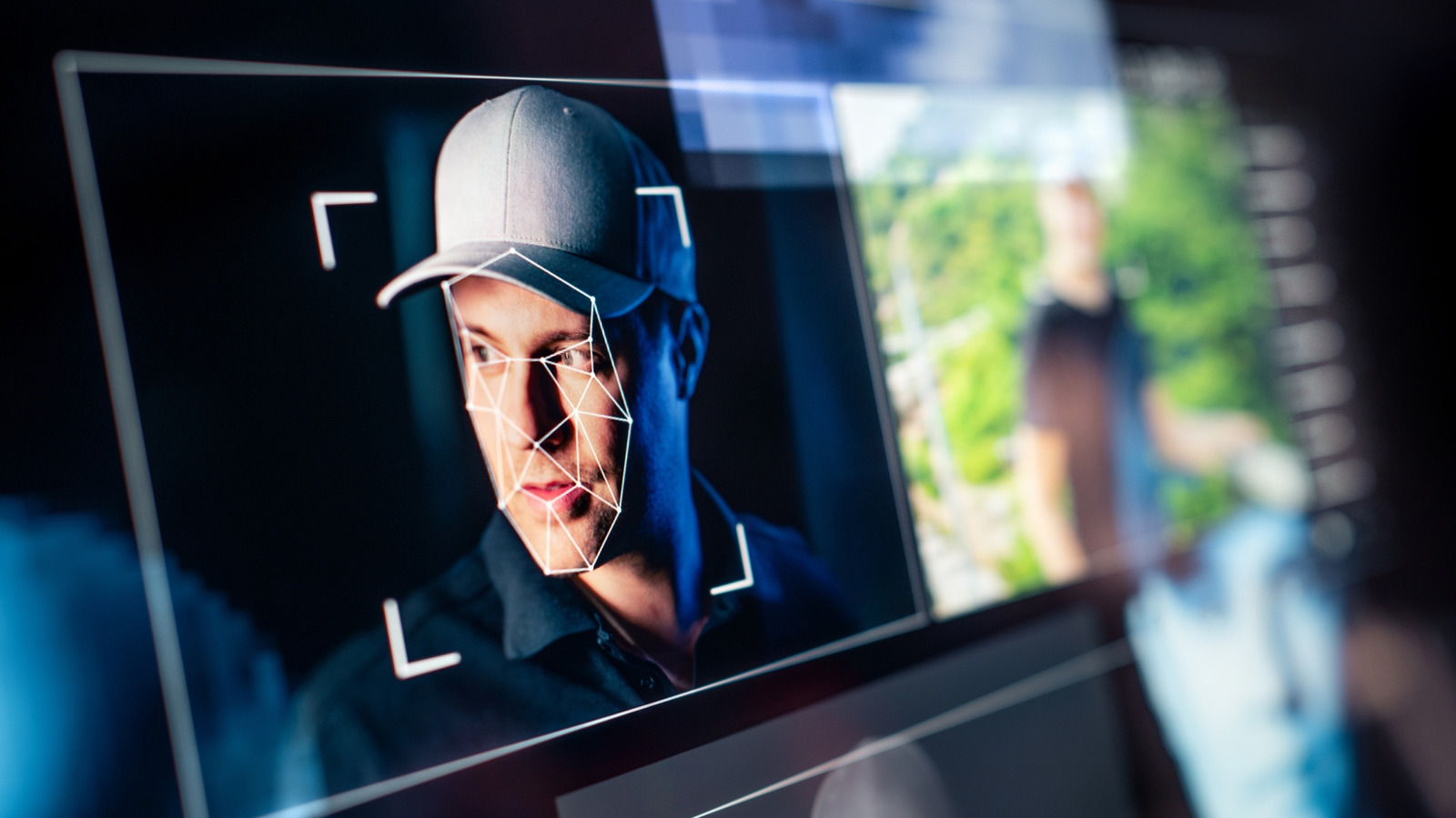
On April 1, 2026, a technology article warns that advanced AI image generators are producing high-quality deepfakes that are increasingly hard to detect. It surveys detection services (Attestiv, Sensity, Reality Defender, Deepware Scanner) and Google's SynthID, notes false positives/negatives, and recommends combining automated detectors with provenance checks and behavioral cues like blinking or complex gestures. The guidance aims to help users verify suspicious media.
Key Points
- 1Reports show AI image generators now produce high-quality deepfakes increasingly hard to detect
- 2Detection tools like Attestiv, Sensity, Reality Defender, and Deepware Scanner have accuracy limits and misclassifications
- 3Practitioners should combine automated detectors with provenance checks and behavioral cues such as blinking and gestures
Scoring Rationale
Timely, practical guide published today with high actionability and core relevance to image-forensics. Novelty and breadth are moderate, and credibility is journalistic rather than peer-reviewed, so the score reflects strong practitioner value but limited original research.
Practice interview problems based on real data
1,625 SQL & Python problems across 15 industry datasets — the exact type of data you work with.
Try 250 free problems