Europe Showcases Wingman Drones To Complement Fighters
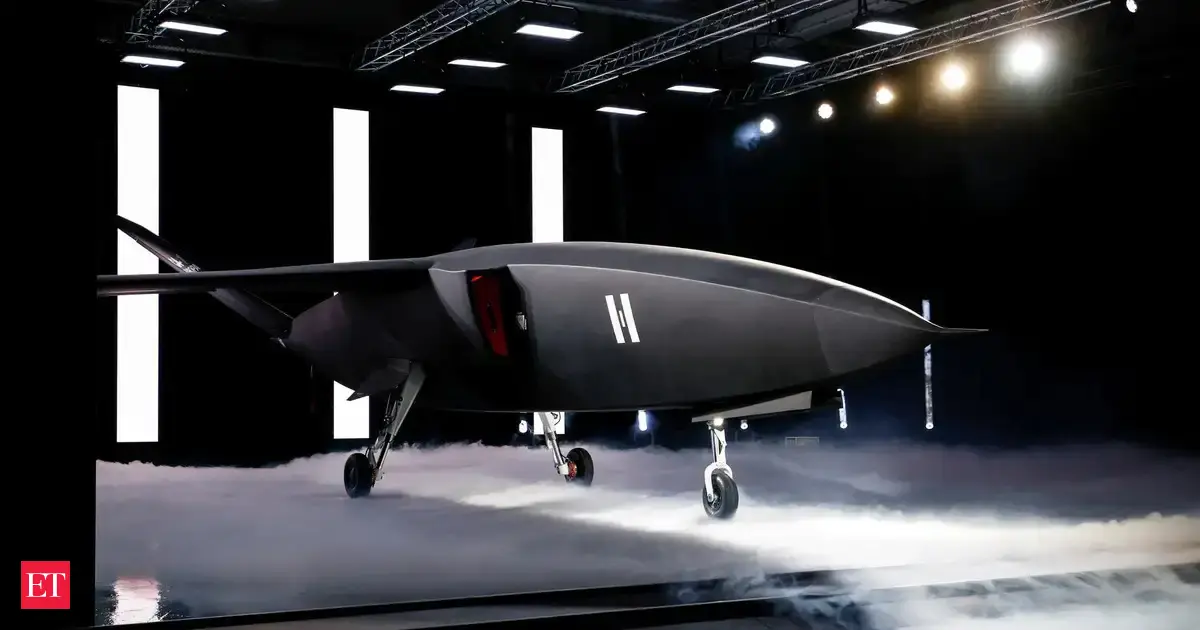
Reuters reported that wingman drones, also described as collaborative combat aircraft (CCA), featured prominently at last week's Berlin airshow, where Airbus, Boeing, Helsing and General Atomics displayed new designs intended to operate alongside manned fighters. Reuters noted the systems range from small interceptors to larger unmanned jets and fly in "loyal wingman" formations. The article quoted Stephanie Lingemann, head of air domain at German defence startup Helsing: "The AI agent, of course, the brain of these systems, needs to be controlled in a sovereign fashion." Reuters reported that Germany and France this month shelved plans for a joint fighter jet and are exploring salvaging parts of the programme to develop a related drone system and data network.
What happened
Reuters reported that wingman drones, also known as collaborative combat aircraft (CCA), were a focal point at last week's Berlin airshow where Airbus, Boeing, Helsing and General Atomics presented new designs. Reuters described the platforms as ranging from small interceptor-type vehicles to larger unmanned jets intended to fly in "loyal wingman" formations alongside crewed fighters. The article quoted Stephanie Lingemann, head of air domain at German defence startup Helsing, saying, "The AI agent, of course, the brain of these systems, needs to be controlled in a sovereign fashion." Reuters also reported that Germany and France this month shelved plans for a joint fighter jet and are looking to salvage parts of the programme to develop a related drone system and data network. Reuters quoted Boeing Australia Managing Director Amy List saying the MQ-28 Ghost Bat is not a drone but an unmanned jet "to enhance the capabilities, be a force multiplier for crewed platforms."
Technical details
Editorial analysis - technical context: Companies framing wingman platforms as autonomous or remotely piloted accompaniments implies integration of several technical domains that matter to practitioners. Industry observers note that manned-unmanned teaming raises requirements for robust low-latency communications, resilient sensor-fusion stacks, electronic-warfare (EW) payload integration, and layered fail-safes for autonomy. Electronic-attack roles reported at the show increase emphasis on hardened timing, secure datalinks, and testing under contested-spectrum conditions, which typically expand software-in-the-loop and hardware-in-the-loop validation needs.
Context and significance
Industry context: Reuters places this development against rising European interest in sovereign defence capabilities and lessons from the war in Ukraine, where sensor-disruption and comms interference have been consequential. Industry-pattern observations indicate that procurement programs combining advanced autonomy, EW, and weapons integration often lengthen development cycles and complicate export and interoperability considerations across allied forces.
What to watch
For practitioners: track three indicators that will determine technical traction and adoption:
- •interoperability standards and data-network prototypes between manned platforms and CCAs;
- •demonstrable contested-environment trials showing resilient comms and EW survivability; and
- •export-control and certification milestones affecting cross-border procurement.
Bottom line
Editorial analysis: Reuters coverage shows wingman aircraft moving from concept demos to targeted capability displays. For engineers and program managers, the near-term work centers on secure teaming stacks, EW-resilient communications, and certification pathways rather than single-component performance gains.
Key Points
- 1Wingman drones, showcased by major and startup firms, are being pitched to augment fighters with sensors, jammers, and weapons.
- 2Autonomy plus electronic-warfare roles raise integration burdens: secure datalinks, sensor fusion, and contested-spectrum testing become central.
- 3Europe's push for sovereign capability ties technical choices to procurement, export controls, and interoperability across allied forces.
Scoring Rationale
Notable for practitioners because manned-unmanned teaming and electronic-warfare payloads change system-integration and validation requirements. The story is operationally relevant but not a paradigm-shifting technical release.
Sources
Public references used for this report.
Practice interview problems based on real data
1,625 SQL & Python problems across 15 industry datasets — the exact type of data you work with.
Try 250 free problems