
Engineer Builds AI-Guided Laser to Kill Mosquitoes
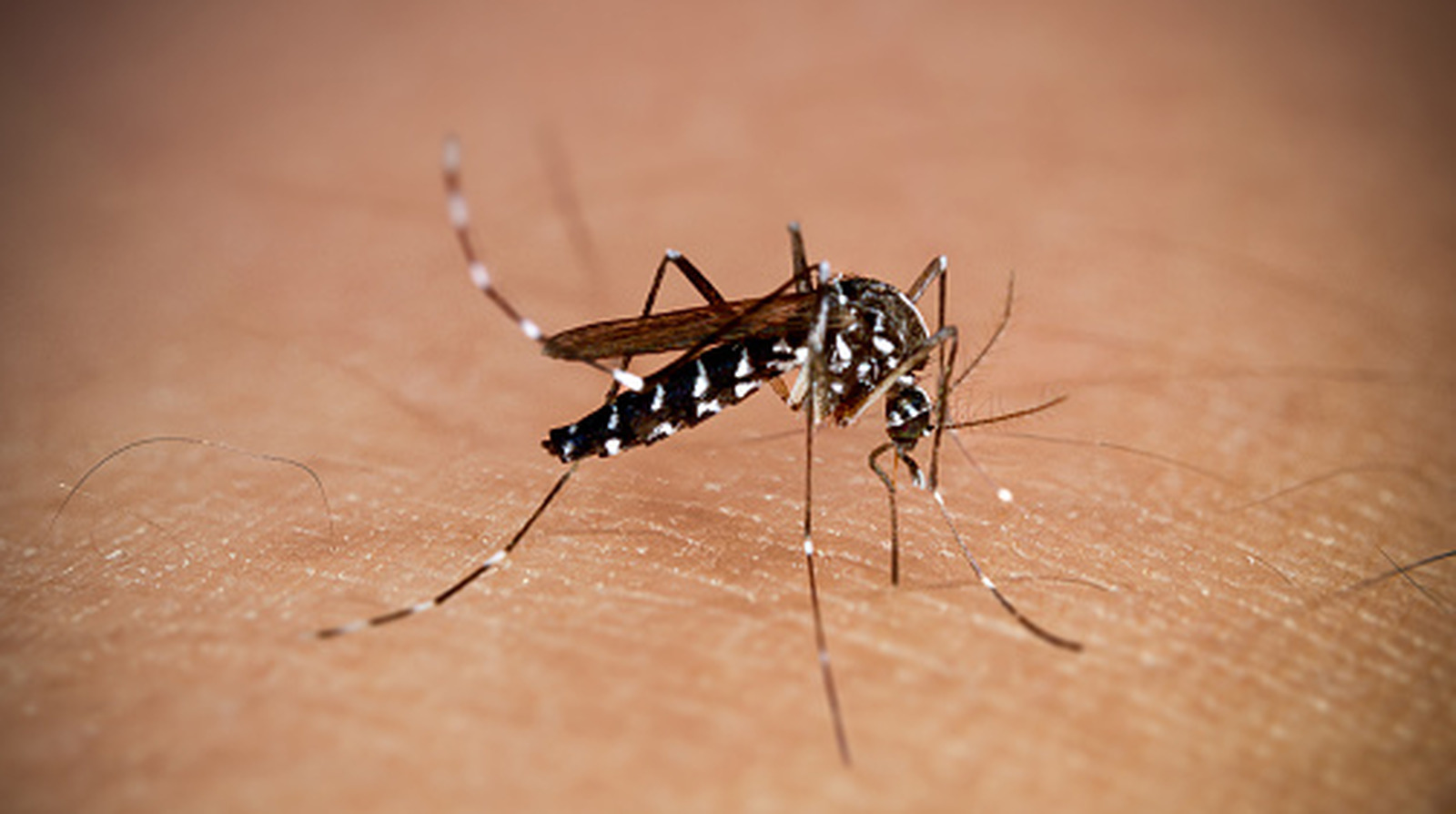
Computer-vision and robotics engineer Steven Cheng built an AI-guided laser system that he says eliminated every mosquito in his home, as reported by Tom's Hardware and SlashGear. Tom's Hardware reports Cheng spent about four months on the prototype, collecting a dataset with a DSLR and high-magnification zoom lens and training a custom deep-learning detector to identify and lock onto mosquitoes. The detector drives an aiming rig, described by Tom's Hardware as an 'artillery cannon' on a high-precision rotary stage, that fires a laser when the model confirms a target, reportedly tracking and hitting mosquitoes in milliseconds. SlashGear reports the build adds a second wide-angle camera and safety logic that cuts laser power if a person or flammable material enters its field of view. Coverage frames it as a striking but niche hobbyist demonstration of fast, narrow object detection.
What happened
Steven Cheng built a DIY system that couples computer vision with a laser to detect and destroy mosquitoes, as reported by SlashGear and Tom's Hardware. Tom's Hardware reports the working prototype took about four months to create and that Cheng trained a custom model using images captured on a DSLR paired with a high-magnification zoom lens. SlashGear reports the device uses a second wide-angle camera and safety logic that cuts power to the laser if humans or flammable materials enter that camera's line of sight. SlashGear quotes Cheng saying, "I successfully eliminated all the mosquitoes found in my residence."
Technical details
Tom's Hardware describes a workflow of dataset collection, manual annotation, and deep-learning training that pushed a consumer GPU: Tom's Hardware quotes Cheng saying the task "really put my graphics card through its paces." Both outlets report the detection model is used to guide an aiming system that fires a laser module when the model locks on a target. The outlets characterise the hardware as an "artillery cannon" paired with a detection pipeline; all technical specifics in this paragraph are drawn from Tom's Hardware and SlashGear reporting.
Industry context
Editorial analysis: Projects combining commodity cameras, custom datasets, and consumer GPUs demonstrate how accessible object-detection pipelines have become for narrow, high-speed targets. Editorial analysis: At the same time, integrating directed-energy actuators creates immediate safety, legal, and ethical considerations that go beyond typical maker projects; those considerations include unintended targeting, fire risk, and local regulations on lasers and weapons.
What to watch
Observers should track whether Cheng or others publish the dataset, model architecture, training details, or safety test data on social media or code hosting sites, as Tom's Hardware notes Cheng shared project details online. Also watch community discussion around safe interlocks, certification for laser modules, and whether platforms hosting build instructions moderate or remove content for safety reasons.
Bottom line
This is a proof-of-concept hobbyist build that demonstrates practical, narrow-object detection applied to a risky actuator. The technical achievement is notable; the broader implications are primarily about safety and governance rather than algorithmic novelty.
Key Points
- 1An engineer paired a custom deep-learning detector with a laser to identify and eliminate mosquitoes in real time, a vivid demonstration of accessible computer vision.
- 2Detecting small, fast targets required high-magnification optics and a curated, self-collected dataset trained on consumer hardware over about four months.
- 3Pairing vision models with a hazardous actuator makes interlocks and secondary sensors essential, foregrounding safety and regulatory questions over algorithmic novelty.
Scoring Rationale
An AI-guided laser that targets mosquitoes is an instructive, attention-grabbing demonstration of accessible object-detection pipelines and hobbyist robotics, but it is a niche, localized project with limited technical novelty. Its relevance to practitioners centers on the safety and governance of vision-plus-actuator systems rather than advances in modeling, keeping it in the minor band.
Sources
Public references used for this report.
Practice interview problems based on real data
1,625 SQL & Python problems across 15 industry datasets — the exact type of data you work with.
Try 250 free problems

