Empathy Prevents Escalation In International Conflict
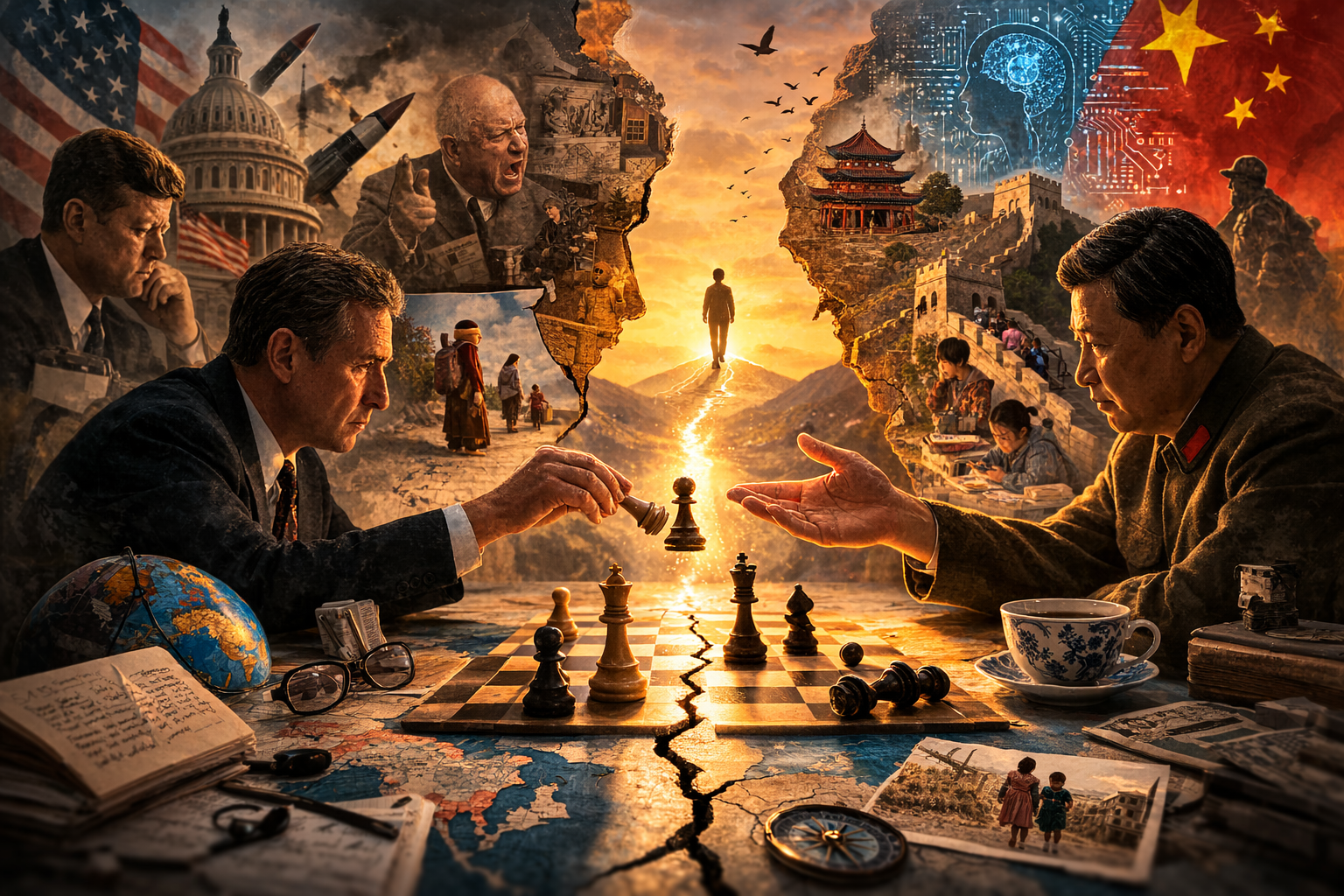
Ashutosh Jogalekar argues that empathy for adversaries, properly understood, can prevent or de-escalate conflicts. Using October 1962 Cuban Missile Crisis, the Vietnam War, post-9/11 intelligence shortfalls, and Afghanistan development missteps, he shows how cultural and linguistic familiarity shaped outcomes. The piece urges integrating cultural, linguistic, and lived understanding into diplomacy, intelligence, and development to expand negotiation options and reduce unintended harm.
Key Points
- 1Shows empathy by U.S. diplomat Tommy Thompson helped de-escalate October 1962 Cuban Missile Crisis.
- 2Explains absence of cultural knowledge in Vietnam broadened conflict and prevented earlier negotiated solutions.
- 3Advises practitioners to integrate linguistic and cultural expertise into intelligence, diplomacy, and development programs.
Scoring Rationale
Highlights concrete historical diplomacy lessons, but lacks new evidence and is primarily opinion rather than empirical research.
Practice interview problems based on real data
1,625 SQL & Python problems across 15 industry datasets — the exact type of data you work with.
Try 250 free problems