Elon Musk Testifies in Case Against Sam Altman
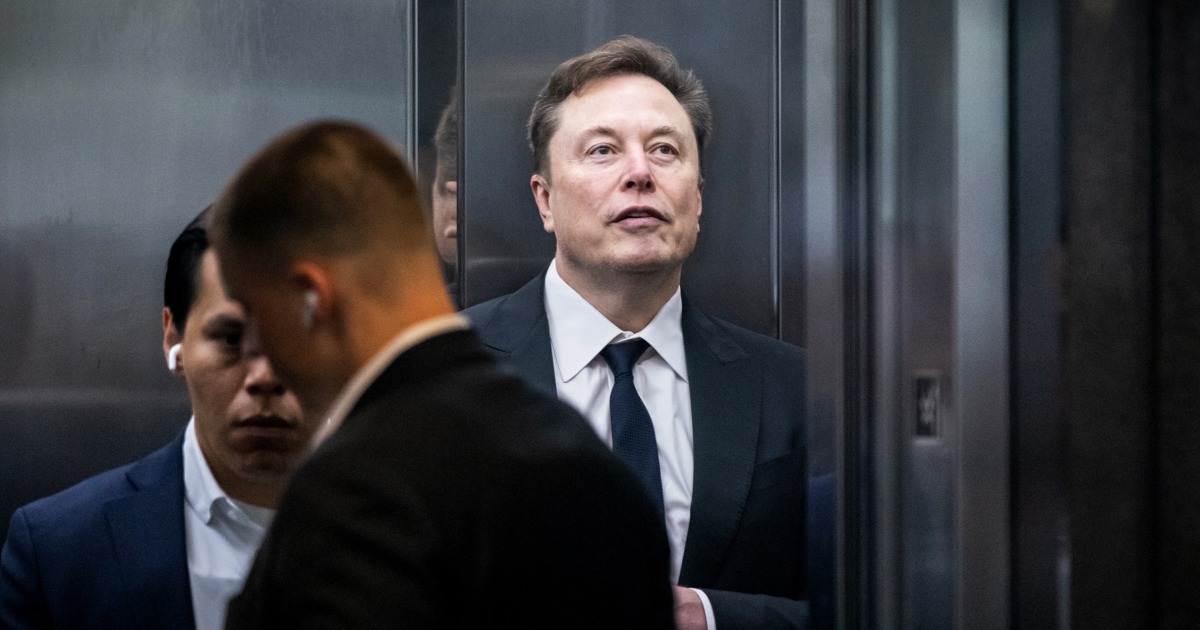
The trial between Elon Musk and Sam Altman opened with Musk testifying as the first witness, according to Elizabeth Lopatto of The Verge. Lopatto wrote that Musk's direct examination focused on his biography and other ventures, and described his testimony as unfocused and uncharming. The Verge reports Musk told jurors he worked "between 80 to 100 hours a week" and said, "I came up with the idea, the name, recruited the key people. taught them everything I know, provided all the initial funding. Besides that, nothing." during testimony. Breitbart frames the case as a broader dispute over OpenAI's mission, reporting Musk alleges Altman betrayed the nonprofit origins, and that Musk initially sought restitution later valued at $134 billion in his 2024 suit. Breitbart also reports the defense says Musk left OpenAI in 2018 and did not fulfill a pledged $1 billion contribution. The trial is scheduled to run four weeks in Oakland, with Judge Yvonne Gonzalez Rogers quoted by Breitbart as calling it "billionaires versus billionaires."
What happened
Elon Musk testified as the first witness in the federal civil trial pitting him against Sam Altman, reporting by The Verge shows. Elizabeth Lopatto of The Verge wrote that Musk's opening testimony dwelled on his biography and other ventures and described his performance as "unfocused and uncharming." The Verge reports Musk told jurors he worked "between 80 to 100 hours a week" and said, "I came up with the idea, the name, recruited the key people. taught them everything I know, provided all the initial funding. Besides that, nothing." during his testimony. Breitbart reports the trial is scheduled for four weeks in Oakland and quotes Judge Yvonne Gonzalez Rogers calling the case "billionaires versus billionaires."
Legal context
Breitbart reports the dispute traces to OpenAI's shift from a nonprofit to a for-profit structure; it says Musk filed the suit in 2024 and initially sought restitution later valued at $134 billion. Breitbart also reports the defense argues Musk left OpenAI in 2018 and did not fulfill a pledged $1 billion contribution.
Editorial analysis
Industry observers following governance disputes in AI should note that high-profile founder litigation often centers public attention on mission, funding, and board accountability. Such cases can increase regulatory and investor scrutiny of organizational structures used to raise capital while claiming public-interest missions.
Industry context
For practitioners, court proceedings that re-litigate the origins and governance of influential labs may affect how partnerships, grants, and contributions are documented and contracted. Observed patterns in comparable disputes show that legal uncertainty can slow collaboration and prompt tighter contractual terms around IP, oversight, and funding commitments.
What to watch
Observers should track: reported testimony from additional high-profile witnesses; any documentary evidence introduced about fundraising or governance decisions; and rulings on remedies, since reported demands and rulings could shape industry practices for nonprofit-affiliated research entities. Media coverage tone matters too - as seen in The Verge and Breitbart reporting - because public narratives influence investor and partner behavior.
Bottom line
This first day of testimony foregrounds biographical claims and competing narratives about OpenAI's origins. Reporting to date focuses on witness demeanor and competing factual claims; definitive legal or industry impacts will depend on documentary evidence and later testimony presented at trial.
Key Points
- 1Musk testified first and emphasized his biography and other ventures, which reporters described as unfocused and uncharming.
- 2The lawsuit centers on OpenAI's nonprofit-to-profit evolution; Breitbart reports Musk initially sought $134 billion in restitution.
- 3Industry observers should watch for documentary evidence and rulings that could change governance, funding, and partnership norms.
Scoring Rationale
A high-profile legal dispute over OpenAI's governance and mission has notable implications for funding, partnerships, and industry governance norms; early testimony is notable but not yet determinative.
Sources
Public references used for this report.
Practice interview problems based on real data
1,625 SQL & Python problems across 15 industry datasets — the exact type of data you work with.
Try 250 free problems