ElevenLabs Releases AI Michael Caine Odyssey Audiobook
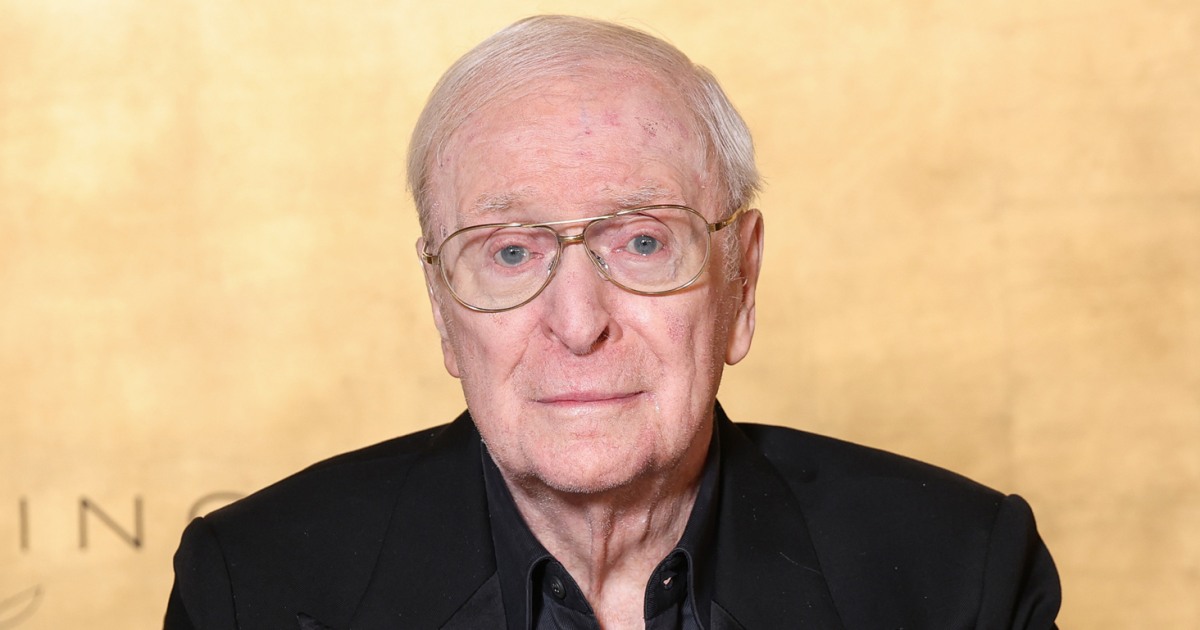
Reporting by The Guardian and Deadline states that ElevenLabs has released an officially licensed AI replica of actor Michael Caine's voice to narrate a new audiobook version of Homer's The Odyssey. Reporting by The Guardian and The New York Times notes the audiobook arrives ahead of director Christopher Nolan's film adaptation, which is due next month. Coverage frames the project as a separate reimagining of the epic distinct from Nolan's production, per The Guardian and Deadline. Licensed voice clones such as this accelerate commercial synthetic-voice use while renewing debates over consent, compensation, and rights for performers. Track licensing terms, dataset provenance, and audio watermarking as these factors become operationally important.
What happened
Reporting by The Guardian and Deadline reports that ElevenLabs unveiled an officially licensed AI replica of actor Michael Caine's voice for a newly released audiobook retelling of Homer's The Odyssey. Reporting by The Guardian and The New York Times places the audiobook release ahead of director Christopher Nolan's film adaptation, which is due next month. Coverage describes the audiobook as a separate reimagining of the epic, distinct from Nolan's production, per The Guardian and Deadline.
Editorial analysis - technical context
Industry-pattern observations: Commercial voice cloning typically relies on neural text-to-speech pipelines that fine-tune or condition generative models on target-speaker data, followed by quality tuning and post-processing. Practitioners deploying similar systems must weigh trade-offs between naturalness, data provenance, and mechanisms for traceability. Technical mitigations commonly discussed across the industry include robust metadata, forensic watermarking, and access controls for voice models.
Context and significance
Public reporting frames the ElevenLabs release amid broader debates over AI voice cloning and performer rights. The presence of an "officially licensed" label, as reported by The Guardian and Deadline, highlights a commercial path that pairs synthetic voice products with contractual agreements. This intersects with ongoing legal, ethical, and union conversations about consent, attribution, and revenue share for creative performers.
What to watch
Observers should watch for the specific contractual language disclosed with the audiobook (credits, consent clauses, and compensation terms) and for any statements from performer guilds or rights holders reported by trade outlets. Technically, practitioners should track adoption of audio watermarking or provenance standards that enable downstream detection of synthetic voices. Finally, note how platforms and retailers label synthetic-voice content in metadata and marketing, since disclosure practices shape consumer expectations and regulatory scrutiny.
Key Points
- 1Licensed AI voice clones are entering mainstream audiobooks, forcing operational focus on rights, provenance, and disclosure for audio teams.
- 2Timing synthetic-voice releases around film adaptations amplifies reach and complicates reuse and attribution across media ecosystems.
- 3Practitioners should monitor adoption of watermarking, metadata standards, and contractual templates that govern commercial synthetic voices.
Scoring Rationale
This story is notable for demonstrating a commercial, officially licensed voice-clone use case that intersects product, legal, and ethical concerns. It matters to ML engineers and audio product teams tracking provenance, watermarking, and licensing, but it is not a frontier-model or regulatory milestone.
Sources
Public references used for this report.
Practice interview problems based on real data
1,625 SQL & Python problems across 15 industry datasets — the exact type of data you work with.
Try 250 free problems